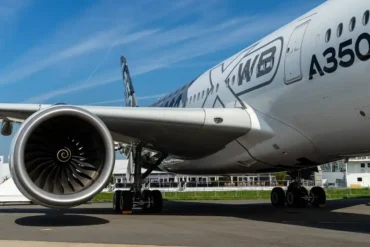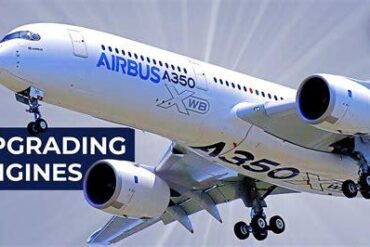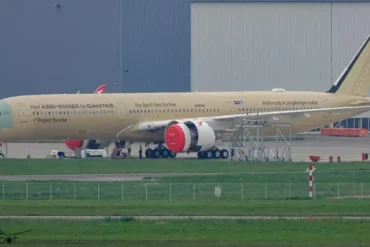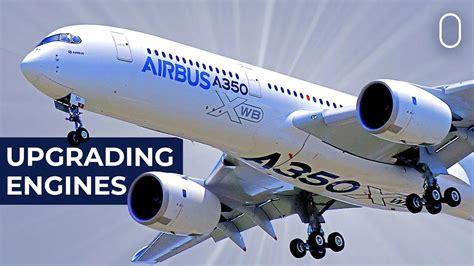
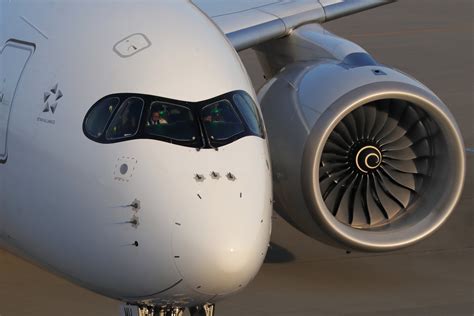
Delta Air Lines has officially made aviation history by becoming the first commercial carrier to operate the Airbus A350-900 powered by the Rolls-Royce Trent XWB-84 Enhanced Performance (EP) engine. This isn’t just a technical upgrade—it’s a landmark shift in sustainable, high-efficiency long-haul aviation that underscores Delta’s bold commitment to next-generation air travel. Delivered on April 30, 2025, this pioneering aircraft represents a major step forward in efficiency, durability, and environmental responsibility.
The Arrival of a Game-Changing Engine
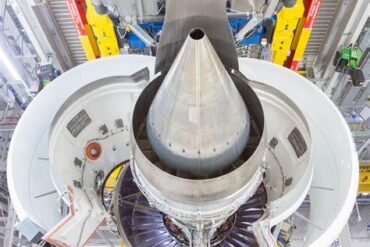
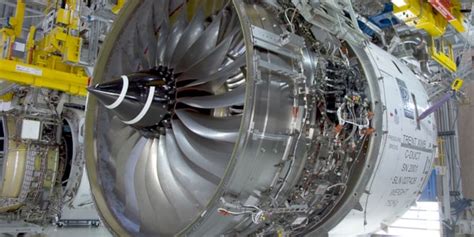
At the heart of this breakthrough lies the Trent XWB-84 EP engine, a refined version of Rolls-Royce’s highly successful XWB family. The EP variant achieves a 1% improvement in specific fuel consumption, which may seem modest, but translates into millions of dollars in annual fuel savings, significant reductions in CO₂ emissions, and extended operational life for the aircraft.
Delta’s rapid move to bring this technology into service ahead of competitors like Singapore Airlines reinforces the airline’s position as a leader in fleet modernization and environmental innovation. The EP engine was developed through extensive data analysis and operational feedback, proving that incremental, precise engineering refinements can unlock meaningful gains without altering the aircraft’s structural profile.
Strategic Sustainability in Motion
Delta’s deployment of the EP engine aligns with its overarching sustainability strategy, aimed at cutting emissions by 45% per seat kilometer by 2035. The engine’s extended time-on-wing minimizes maintenance frequency, improving aircraft availability while also reducing emissions generated by ground operations.
Moreover, this move supports Delta’s long-term environmental, social, and governance (ESG) goals, which include minimizing life-cycle carbon footprints and investing in cutting-edge propulsion technologies.
Rolls-Royce’s Billion-Pound Innovation Push
The EP engine is just one element of a sweeping £1 billion engine enhancement program by Rolls-Royce. This ambitious investment spans the Trent 1000, Trent 7000, and now, the XWB series, focusing on refining durability and minimizing operational disruptions.
For instance, new high-pressure turbine (HPT) blade designs have been introduced to tackle long-standing durability issues. On Boeing 787s using the Trent 1000, these enhancements are projected to double engine time-on-wing, drastically improving efficiency for widebody fleet operators.
Meanwhile, Rolls-Royce is intensifying ground testing on the XWB-97 variant, which powers the larger A350-1000. These tests incorporate next-gen components, such as ceramic matrix composite seal segments and advanced nozzle guide vanes, specifically engineered for high-demand environments like desert or tropical regions.
Regulatory Milestone and Operational Readiness
The EP engine achieved full aircraft-level certification in April 2025, a major regulatory milestone that allowed Delta to immediately integrate the engine into commercial service. This certification confirms the engine’s readiness from an airworthiness perspective, giving operators and passengers greater confidence in its safety, performance, and efficiency.
Rolls-Royce is now working toward similar certification for durability upgrade packages on the Trent 1000, including advanced HPT blades expected to provide 30% more time-on-wing for Airbus A330neo engines—a key improvement for one of the most widely used widebody aircraft in global operations.
ALECSys: The Quiet Tech Behind Cleaner Skies
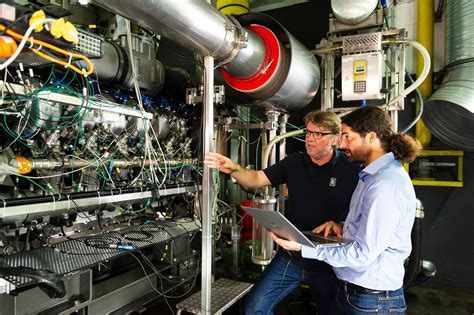
Behind the scenes, Rolls-Royce is also advancing its ALECSys (Advanced Low Emissions Combustion System), a lean-burn combustor that has demonstrated up to 40% reductions in nitrogen oxide (NOx) emissions. Tested on a 747-200 testbed in harsh climates like Fairbanks, Alaska, ALECSys improves pre-mixing of fuel and air, enabling cleaner and more complete combustion.
This system will be foundational to Rolls-Royce’s upcoming UltraFan engine, slated for service entry in the early 2030s, and designed to deliver at least 25% fuel burn improvement over first-generation Trent engines. The coupling of ALECSys with the EP variant indicates a strategic, long-term roadmap focused on radical reductions in environmental impact.
Redefining Long-Haul Luxury and Responsibility
Delta’s move goes far beyond technical bragging rights—it represents a clear pivot to eco-conscious luxury travel. Today’s premium passengers are no longer swayed by plush interiors alone. They seek assurance that their airline of choice is actively investing in a sustainable future.
By flying the A350 with the EP engine, Delta offers passengers a quieter, smoother, and greener ride, underscoring the airline’s commitment to responsible innovation. It enhances Delta’s brand reputation while also appealing to a generation of flyers for whom carbon footprints and climate credentials are travel priorities.
Airport authorities and tourism boards benefit too. Quieter, cleaner engines mean lower noise pollution in urban hubs and improved air quality, aiding cities that are working toward aggressive carbon-neutral targets.
The Competitive Domino Effect
With Delta taking the lead, other airlines are sure to follow. Singapore Airlines is already a customer of the EP engine and is expected to begin operating its own upgraded A350-900s soon. Their entry will likely ignite a new wave of fleet modernization among global full-service carriers.
What follows is a new competitive era—not just about passenger capacity or inflight entertainment—but about who can fly farthest, smartest, and greenest. Fleet efficiency will become a critical brand differentiator, and engine performance will directly influence route economics, market share, and regulatory compliance.
As aircraft OEMs and propulsion developers race ahead, the bar has been raised. Rolls-Royce’s roadmap—combining current EP upgrades, durability packages, and future engine architectures—signals a technological renaissance in aviation propulsion.
Looking Ahead: The Next Decade in Flight
Delta’s pioneering launch of the A350 with the EP engine is more than a headline—it’s the start of a transformation. As fuel prices fluctuate, emissions regulations tighten, and passenger expectations evolve, engine efficiency and environmental performance will define the future of aviation.
For Delta, this is a calculated step toward sustainable dominance in international routes. For Rolls-Royce, it’s validation of a strategy that merges incremental improvements with visionary technologies. For the industry, it’s the dawn of smarter skies—quieter, cleaner, and uncompromisingly efficient.
The next generation of flight isn’t coming. It’s already airborne.