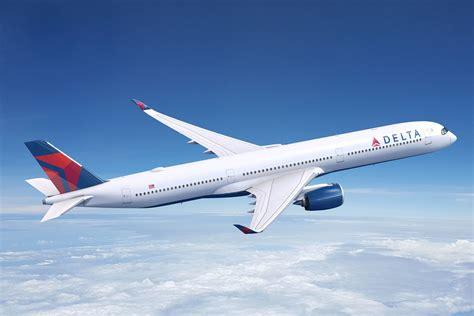
Delta Air Lines is preparing for one of the most significant additions to its international fleet strategy, with its first Airbus A350-1000 expected to enter service in June 2027. The aircraft will become the airline’s new flagship widebody jet, representing a major step forward in Delta’s long-haul operations, premium travel strategy, and fleet modernization efforts.
The arrival of the A350-1000 will mark the first time Delta operates the largest member of the Airbus A350 family. The airline placed an order for 20 Airbus A350-1000 aircraft in 2024, creating a new chapter in its relationship with Airbus and expanding its ability to serve high-demand international routes with a larger and more capable aircraft.
Delta’s New Flagship Widebody Aircraft
The Airbus A350-1000 is designed to provide greater capacity, longer range, and improved efficiency compared with earlier-generation widebody aircraft. At approximately 242 feet (73.8 meters) in length, the aircraft is around 23 feet longer than Delta’s existing A350-900 fleet, allowing additional cabin space while maintaining the aerodynamic and operational advantages of the A350 platform.
While the aircraft can accommodate more than 400 passengers in a high-density configuration, Delta is expected to focus on a more premium-oriented cabin layout. The airline’s planned 314-seat configuration will include 53 Delta One Suites, 48 Premium Select seats, and 213 Main Cabin and Comfort+ seats. This approach reflects Delta’s strategy of increasing premium revenue opportunities rather than simply maximizing passenger volume.
The larger fuselage also provides additional flexibility for cargo operations. With a maximum takeoff weight of approximately 685,000 pounds (311,000 kilograms), the A350-1000 can carry significant passenger, baggage, and freight loads on long-distance missions. This capability will allow Delta to strengthen both passenger revenue and cargo opportunities across its global network.
Expanding Delta’s International Network Strategy
The introduction of the A350-1000 is expected to support Delta’s continued expansion into major international markets. The aircraft offers a range of approximately 8,700 nautical miles (16,100 kilometers), giving the airline the ability to operate long-haul routes that require both capacity and efficiency.
Compared with smaller widebody aircraft, the A350-1000 provides Delta with greater scheduling flexibility on high-demand routes. It can support important international connections where passenger demand is strong, particularly between the United States and destinations in Europe, Asia, and other long-range markets.
The aircraft’s capabilities also align with changing travel trends. Airlines are increasingly prioritizing premium international passengers, who generate higher revenue through business class and upgraded economy products. Delta’s cabin design for the A350-1000 shows that the aircraft will not only increase capacity but also strengthen the airline’s position in the competitive premium travel segment.
A Key Part of Delta’s Fleet Modernization Plan
Delta’s A350-1000 order fits into a broader effort to modernize its fleet with newer-generation aircraft that reduce operating costs and improve efficiency. The airline has already gained experience with the A350 family since becoming the first US carrier to introduce the Airbus A350-900 in 2017.
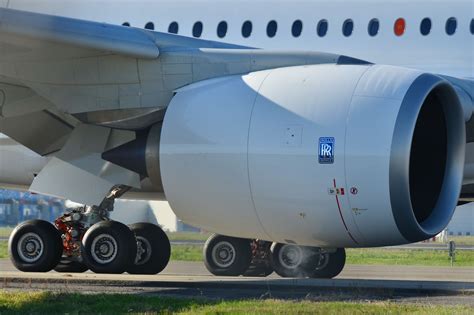
Powered by Rolls-Royce Trent XWB engines, the A350-1000 benefits from advanced propulsion technology developed specifically for long-range commercial aviation. Airbus states that the A350 family delivers approximately 25% lower fuel burn, operating costs, and carbon emissions compared with previous-generation aircraft of similar size.
For Delta, these efficiency improvements are increasingly important as airlines face rising fuel expenses, environmental requirements, and pressure to operate more sustainably. The A350-1000 provides additional capacity while helping the airline maintain a more efficient widebody fleet structure.
The aircraft will also improve fleet commonality. Delta already operates a wide range of Airbus aircraft, including the A220, A320 family, A330, and A350-900. Adding the A350-1000 allows the airline to benefit from existing pilot training programs, maintenance systems, and operational knowledge, reducing the complexity of introducing a new aircraft type.
The Growing Importance of the Airbus A350 Family
Delta’s decision to introduce the A350-1000 reflects the broader success of the Airbus A350 program. The aircraft family has become one of the most important modern widebody platforms, with more than 1,500 orders worldwide from airlines seeking efficient replacements for older aircraft.
The A350 has gained popularity because it combines long-range capability with improved economics. Airlines have increasingly selected the aircraft to replace aging Boeing 777 and Airbus A340 fleets while maintaining the ability to serve demanding international routes.
The A350-1000 variant has become particularly attractive for airlines needing additional capacity without moving to larger four-engine aircraft. Its twin-engine design provides efficiency advantages while still offering the range required for some of the world’s longest commercial flights.
One of the most notable examples is Qantas’ Project Sunrise, which selected the A350-1000 for ultra-long-range operations connecting Australia with destinations such as London and New York. Those aircraft are planned to feature specialized configurations designed around premium travel and extended flight times, demonstrating the flexibility of the A350-1000 platform.
A New Era for Delta’s Long-Haul Operations
The planned June 2027 entry into service of Delta’s first Airbus A350-1000 will represent more than a fleet expansion. It will introduce a new flagship aircraft designed around the future of international aviation, combining higher capacity, improved efficiency, and a premium-focused passenger experience.
As global airlines continue adapting to changing travel patterns, the A350-1000 gives Delta a powerful tool for strengthening its international network. The aircraft’s combination of range, technology, and passenger-focused design will help shape the airline’s long-haul strategy for years to come.
With the arrival of the A350-1000, Delta will join a select group of operators flying Airbus’ largest A350 variant, reinforcing its commitment to next-generation aircraft and positioning the airline for continued growth in the global aviation market.