The United States is set to witness an aviation transformation in 2026, as the skies welcome an increased influx of the Airbus A350-1000 — the most advanced and largest twinjet from the European aerospace giant. This next-generation aircraft is redefining long-haul travel, and nine prestigious airlines are leading the charge to connect global hubs to U.S. cities aboard this premium widebody. With Delta Air Lines officially entering the A350-1000 club, the narrative of U.S.-bound air travel in 2026 becomes significantly more compelling.
Virgin Atlantic Leads the Pack with Leisure and Premium Configurations
Virgin Atlantic is slated to be the dominant A350-1000 operator to the U.S. in the first half of 2026. With 1,345 scheduled departures, the SkyTeam member underscores its commitment to both business and leisure routes. Virgin’s 12-strong A350-1000 fleet includes:
- Seven aircraft in a 335-seat higher-premium configuration, targeting major business-heavy routes.
- Five aircraft in a 397-seat leisure-focused layout, the highest-capacity aircraft in its fleet.
This diversified configuration enables Virgin to tailor operations across an expansive U.S. network, from London Heathrow to San Francisco and Miami, and leisure hotspots such as Orlando and Las Vegas from Manchester and Edinburgh.
Qatar Airways: Expanding Gulf Presence with Precision
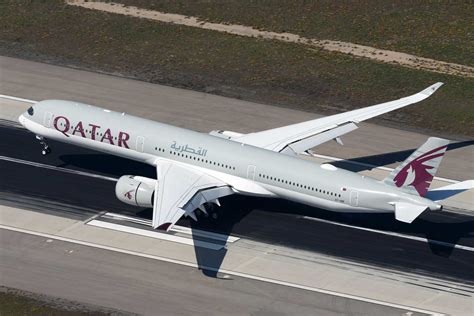
Qatar Airways, already a well-established transatlantic player, plans 1,227 A350-1000 departures to six major U.S. gateways: Atlanta, Dallas/Fort Worth, Houston, Los Angeles, Miami, and San Francisco. The Doha-based airline combines ultra-long range capability with a refined cabin product, making the A350-1000 a strategic tool in solidifying its North American footprint.
British Airways: Heathrow-Centric Powerhouse
With 1,058 flights, British Airways continues to leverage London Heathrow’s slot constraints by deploying its A350-1000s on transatlantic routes where frequency increases are difficult. Destinations such as Austin, Las Vegas, Denver, and Washington D.C. see enhanced passenger comfort and operational efficiency from this widebody variant.
The A350-1000 also plays a pivotal role in British Airways’ long-haul premium experience, complementing its fleet strategy amid a post-pandemic network recalibration.
Japan Airlines: Connecting the Pacific Rim with Comfort
Japan Airlines (JAL) maintains a significant role in East-West transpacific travel with 713 scheduled A350-1000 flights. Routes from Tokyo Haneda to Dallas, Los Angeles, and New York JFK benefit from the aircraft’s fuel efficiency and advanced cabin air systems, enhancing passenger well-being on 12+ hour flights.
The aircraft’s premium-heavy layout aligns with JAL’s commitment to luxury in the skies, featuring its renowned Sky Suite and high-end onboard service.
Etihad Airways: Abu Dhabi’s Flagship Connection
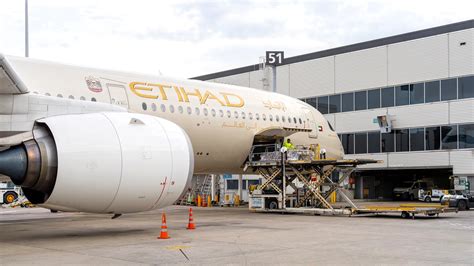
Etihad Airways is tapping into U.S. demand with 543 A350-1000 flights, covering routes from Abu Dhabi to New York JFK, Chicago O’Hare, and Atlanta. With the introduction of new service to Atlanta in 2025, Etihad solidifies its expansion by deploying the A350-1000 on these long-haul routes.
This strategic move positions Etihad to compete robustly against Gulf rivals, offering cutting-edge cabin technology and its celebrated service ethos.
Cathay Pacific: Temporarily Back in Play
Cathay Pacific adds to the narrative with 396 A350-1000 flights through March 2026, covering Boston, Chicago, Dallas, and New York. While this window is temporary, it reflects the Hong Kong-based carrier’s agility in responding to seasonal and demand-driven opportunities.
The A350-1000’s flexible deployment ensures Cathay can navigate ongoing regional recovery and airspace complexities while delivering a world-class product.
French Bee: High-Density, Low-Cost Transatlantic Option
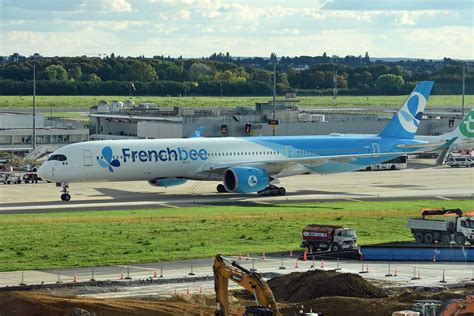
French bee offers a fascinating contrast. With only 45 scheduled A350-1000 flights (from April 25 onwards), it operates the highest-capacity twinjet flights to the U.S. at 480 seats per aircraft. These services link Paris Orly to Newark, offering budget travelers an affordable long-haul option.
The configuration includes 40 premium economy seats and a massive 440 economy seats — underscoring a strategy optimized for peak summer travel.
Ethiopian Airlines: A Unique Routing Strategy
Ethiopian Airlines employs the A350-1000 on a unique routing: Addis Ababa to Washington D.C. via Rome Fiumicino. With 181 scheduled flights, it merges diplomatic ties, diaspora demand, and operational logistics. The return leg is operated nonstop, showcasing the aircraft’s long-range capabilities.
The Rome stop serves as a strategic EU hub for Ethiopian, enhancing connectivity and avoiding slot limitations at D.C.’s congested airports.
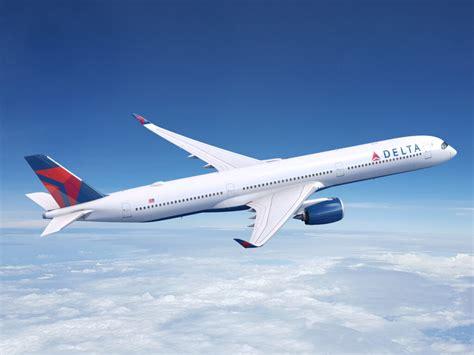
Delta Air Lines: The Newest Member of the A350-1000 Club
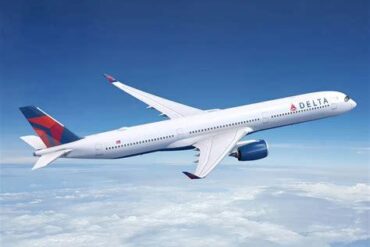
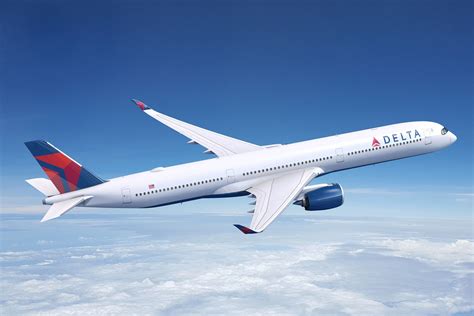
Delta Air Lines is set to introduce the Airbus A350-1000 in 2026, marking a significant milestone in its fleet evolution. With 20 firm orders and options for 20 more, Delta’s A350-1000s are anticipated to become its highest-capacity widebodies, ushering in a new era for U.S. legacy carriers.
Though routes are not yet disclosed, Delta has signaled that the aircraft will serve slot-constrained international airports, notably London Heathrow and Amsterdam. Its extended range also opens the door to ultra-long-haul missions, such as a possible revival of services to India or a strategic pivot to Riyadh.
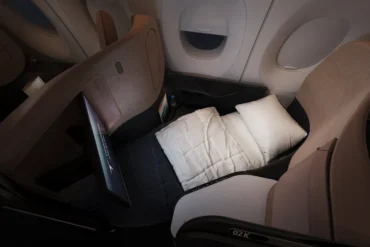
In a 2024 announcement, Delta confirmed that over 50% of the seats aboard the A350-1000 will be premium, encompassing Delta One, Premium Select, and Comfort+. This aligns with the airline’s push toward capturing high-yield, long-haul business travel, especially on routes where increasing frequency is not feasible.
What’s Next? A350-1000 Expansion Likely to Accelerate
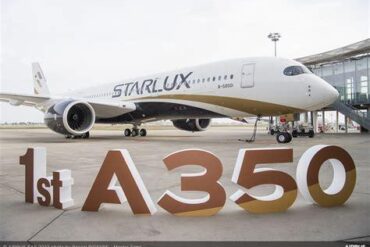
While the nine airlines listed are confirmed to operate A350-1000 services to the U.S. in 2026, two additional carriers — STARLUX and Lufthansa — are expected to join the club. Both have taken delivery of the variant or are scheduled to do so soon. Their anticipated U.S. routes remain unconfirmed, hence their exclusion from current statistics. Still, by year-end, the total number of A350-1000 operators to the U.S. could rise to eleven.
The A350-1000’s low fuel burn, quiet engine technology, and passenger comfort are redefining long-haul commercial aviation. As airports grapple with slot restrictions and airlines pursue better cost efficiencies with premium appeal, this aircraft stands as the flagship workhorse of a new transoceanic era.
In 2026, U.S. travelers can expect a dramatic uplift in the quality and consistency of their international flying experience — whether flying leisure with Virgin Atlantic, luxury with Qatar Airways, or innovation with Delta’s premium-heavy jets. The stage is set for a year where Airbus’ A350-1000 takes center stage in North American skies.