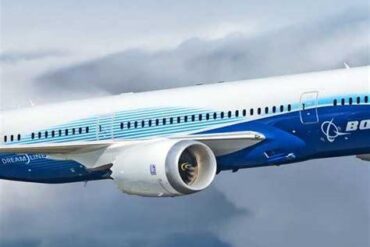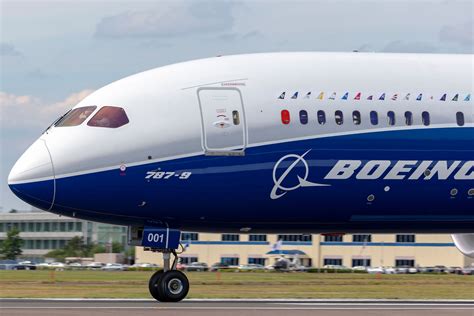
The Boeing 787-9 Dreamliner has quietly become one of the most influential aircraft in modern aviation. While larger jets often attract more attention, the 787-9 has achieved something arguably more important: it has become the aircraft reshaping long-haul fleets around the world. In 2026, it is the most-delivered widebody aircraft, and its success is accelerating the retirement of three iconic but aging aircraft types: the Boeing 767, Boeing 777-200, and Airbus A340.
The global aviation industry is experiencing a major fleet transformation. Passenger demand continues to recover and expand, forcing airlines to balance growth with efficiency. According to industry forecasts, global passenger traffic is expected to continue rising significantly over the coming decades, creating pressure for airlines to add capacity while controlling operating costs. New-generation aircraft have become essential tools in this transition, allowing carriers to increase international connectivity without relying on older, less efficient widebodies.
Aircraft manufacturers are also recovering from years of production challenges caused by supply chain disruptions and pandemic-related delays. In the first half of 2026, commercial aircraft deliveries reached their strongest level in years, with Airbus and Boeing together delivering hundreds of passenger and freighter aircraft. Although narrowbody aircraft remain the largest part of the market, the widebody segment has entered a new era where efficiency, flexibility, and range matter more than size alone.
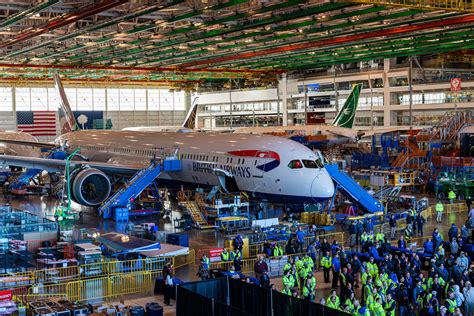
Among all widebody aircraft delivered in 2026, the Boeing 787-9 Dreamliner has emerged as the leader. Boeing is expected to deliver dozens of 787-9 aircraft during the year, with airlines around the world continuing to select the aircraft for long-haul expansion and fleet renewal. Since entering commercial service in 2014, the 787-9 has become a central part of many international fleets because it combines long-range capability with significantly improved fuel efficiency.
The aircraft represents a major shift in how airlines think about long-distance travel. Instead of depending exclusively on very large aircraft operating between major hubs, airlines increasingly prefer efficient aircraft that can connect more city pairs directly. The 787-9 was designed around this philosophy, offering airlines the ability to open new routes while maintaining stronger economics.
Why The Boeing 787-9 Became The Preferred Widebody Replacement
The success of the 787-9 Dreamliner comes from a combination of technology, operating economics, and market timing. When Boeing launched the 787 program, the aviation industry was still dominated by the idea that future growth would come from larger aircraft. However, Boeing identified a different opportunity: airlines needed a medium-sized long-range aircraft capable of serving more destinations efficiently.
The 787 introduced several advanced technologies that changed expectations for widebody aircraft. Its extensive use of composite materials reduced weight, while its highly efficient engines lowered fuel consumption compared with previous-generation aircraft. The aircraft also offered improved passenger comfort through features such as higher cabin humidity, larger windows, and lower cabin altitude.
For airlines, these advantages translate directly into financial benefits. Lower fuel burn, reduced maintenance requirements, and operational flexibility make the 787-9 particularly attractive for replacing older aircraft that were designed during an era when fuel efficiency was less important.
The aircraft’s capacity also places it in a highly practical category. It can carry approximately 250 to 300 passengers depending on airline configuration, making it large enough for major international routes but small enough to operate profitably on thinner markets. This balance has allowed airlines to deploy the 787-9 across Europe, Asia, North America, Australia, and the Middle East.
United Airlines Uses The 787-9 To Replace Older Widebodies
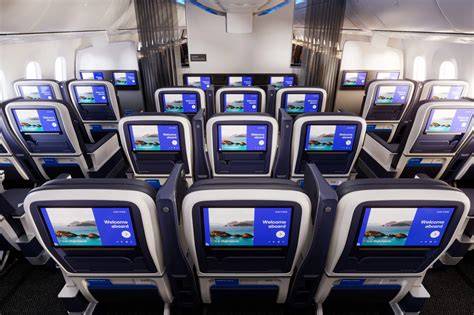
Among the airlines leading the 787-9 transition is United Airlines. The American carrier has built the Dreamliner family into the foundation of its international network and has used the aircraft to gradually replace older widebody types, especially the Boeing 767 and Boeing 777-200.
United was one of the earliest major operators of the 787, receiving its first Dreamliner in 2012. Since then, the airline has expanded its fleet to include all three major variants: the 787-8, 787-9, and 787-10. The 787-9 has become the most important version because of its combination of passenger capacity and global range.
By 2026, United operates a large Dreamliner fleet consisting of more than 80 aircraft, including dozens of 787-9s. The airline is also scheduled to receive additional Dreamliners, further strengthening the aircraft’s role in its long-haul strategy.
The 787-9 allows United to operate routes that previously required larger aircraft while improving efficiency. It has become particularly valuable on services connecting the United States with Europe, Asia, Australia, and South America. The aircraft also supports United’s premium strategy, with newer aircraft receiving upgraded cabins designed to attract high-value international travelers.
One example is United’s enhanced Polaris Studio configuration. These premium suites introduce larger personal spaces, privacy doors, advanced entertainment systems, wireless charging, and additional features aimed at improving the long-haul experience. As more upgraded 787-9 aircraft enter service, the type is becoming not only a replacement aircraft but also a flagship product for United’s international operations.
Air India Expands Boeing 787-9 Operations While Retiring Older Jets
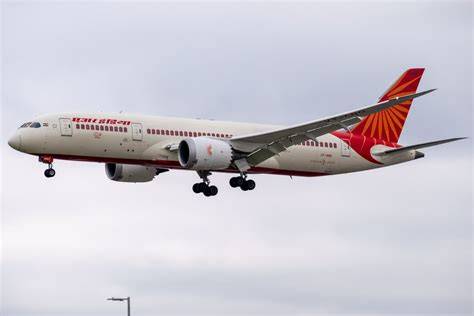
India’s aviation market is experiencing rapid growth, and Air India is using the Boeing 787-9 as a key aircraft for its modernization strategy. The airline has operated the Dreamliner family for more than a decade, but the 787-9 represents a new stage in its international fleet development.
Following the merger with Vistara, Air India inherited additional 787-9 aircraft and has started integrating the type into important long-haul routes. The airline has also begun receiving new factory-built 787-9 aircraft featuring updated cabin configurations.
The new aircraft are designed with three-class cabins, including Business Class suites, Premium Economy seating, and Economy Class seats. This configuration supports Air India’s ambition to compete more effectively in international markets while improving passenger experience.
The 787-9 is already replacing older aircraft on several important routes. The type has taken over services previously operated by aircraft such as the Boeing 777-300ER, allowing Air India to improve efficiency while maintaining long-range capability.
Routes connecting India with Europe, North America, and Asia are particularly suited to the 787-9. As the airline continues expanding internationally, the aircraft will likely become one of the most important parts of its future widebody fleet.
Lufthansa’s Boeing 787-9 Accelerates The End Of The Airbus A340-600 Era
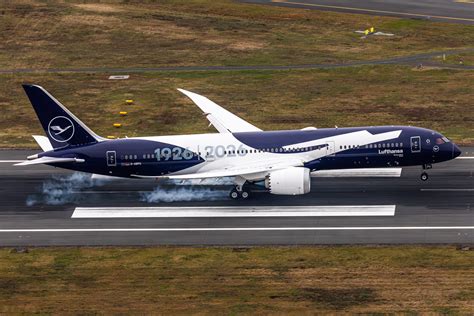
Few aircraft represent the previous generation of premium long-haul travel more than the Airbus A340-600. With its four engines, long fuselage, and impressive range, the aircraft once served as a symbol of international aviation ambition. However, rising fuel costs and maintenance expenses have made four-engine aircraft increasingly difficult to justify.
Lufthansa has operated the A340-600 for many years, reaching a peak fleet size of 24 aircraft. The airline began retiring the type years ago, but delays affecting new aircraft deliveries forced it to continue operating some examples longer than originally planned.
The Boeing 787-9 is now helping Lufthansa complete this transition. The German carrier has already deployed Dreamliners on routes previously served by the A340-600, including services from Frankfurt to destinations in the United States.
Lufthansa has a large order book for future widebody aircraft, including additional 787-9s and Boeing 777X aircraft. However, delays surrounding new aircraft programs have slowed the airline’s fleet renewal plans. As more 787-9s arrive, the remaining A340-600 aircraft are expected to disappear from regular passenger service.
The retirement of the A340-600 represents more than a simple fleet change. It marks the end of an era when four-engine aircraft dominated premium long-haul flying. The 787-9 symbolizes a new generation focused on efficiency and flexibility.
Japan Airlines Uses The 787-9 For Growth And Fleet Renewal
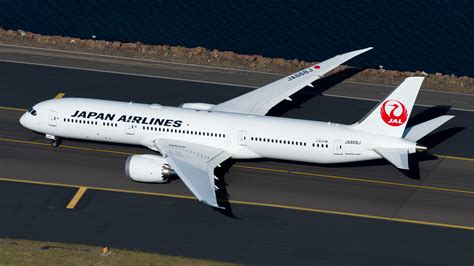
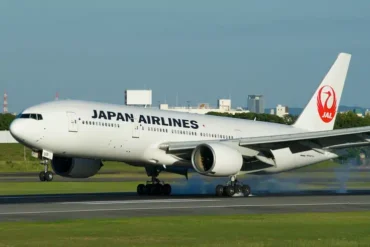
Japan Airlines (JAL) is another major carrier using the 787-9 to reshape its international operations. The Japanese airline has become one of the largest Dreamliner operators worldwide, with a substantial fleet of both 787-8 and 787-9 aircraft.
JAL’s long-term strategy includes significant international growth, particularly across North America, Asia, and India. The airline plans to expand its international network considerably by the end of the decade, and the 787-9 will play a central role in supporting this expansion.
At the same time, the aircraft will help JAL gradually reduce dependence on older widebody aircraft, including the Boeing 767-300ER and certain 777 variants. Additional 787-9 deliveries scheduled from 2027 will provide the capacity needed for growth while allowing the airline to modernize its fleet.
For JAL, the 787-9 offers the ideal combination of range and efficiency. It can serve major international markets while providing the flexibility required for changing passenger demand.
The Boeing 787-9 Is Quietly Ending The Era Of Three Legacy Widebodies
The rise of the Boeing 787-9 Dreamliner is not simply a story about one successful aircraft program. It represents a broader transformation in commercial aviation. Airlines are moving away from older widebodies designed around different economic conditions and toward aircraft optimized for efficiency and flexibility.
The aircraft is now contributing to the retirement of three major legacy widebody types: the Boeing 767, Boeing 777-200, and Airbus A340. Each of these aircraft played an important role in aviation history, but changing economics have made replacement inevitable.
The Boeing 767 helped create the modern long-range twin-engine market. The 777-200 introduced a new level of reliability and capacity for international routes. The A340 represented the height of four-engine long-haul aviation. However, the 787-9 combines many of their strengths while delivering significantly better efficiency.
The aircraft’s success also highlights how aviation strategies have changed. Airlines no longer need the largest aircraft to compete globally. Instead, they need aircraft that can match capacity with demand, reduce costs, and provide the ability to connect more cities directly.
As more 787-9s enter service throughout 2026 and beyond, the aircraft will continue replacing older widebodies across global fleets. Quietly, without dramatic announcements, the Dreamliner is reshaping international aviation and closing the chapter on several legendary aircraft families.