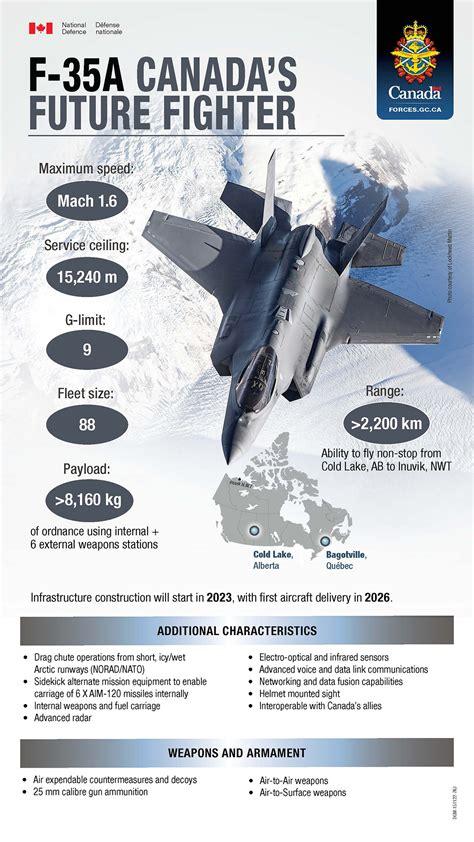
Canada’s decision to retire its long-serving CF-18 Hornets and transition to the F-35A Lightning II is not a matter of preference or prestige—it is a hard, strategic necessity shaped by aging hardware, evolving threats, and increasingly demanding alliance commitments. What appears on the surface as a straightforward fleet upgrade is, in reality, a profound shift in how Canada projects power, defends its sovereignty, and integrates with its closest allies.
The CF-18 Hornet: A Legacy That Reached Its Limits
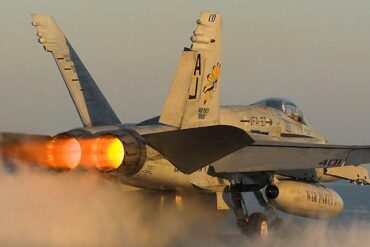
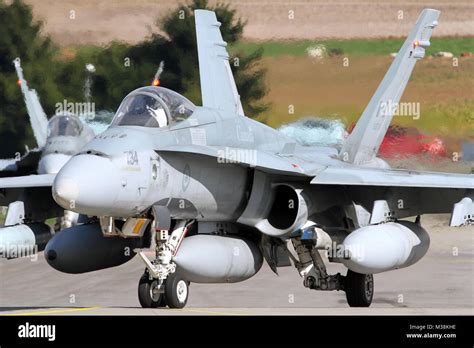
For over four decades, the McDonnell Douglas CF-18 Hornet has been the backbone of the Royal Canadian Air Force (RCAF). Introduced in the early 1980s, the aircraft was built to meet two primary missions: defending North American airspace under NORAD and supporting international operations alongside NATO allies. It excelled in both roles, earning a reputation for reliability and versatility across multiple deployments.
Yet time is relentless, even for well-engineered machines. Despite extensive modernization efforts—including upgraded avionics, enhanced radar systems, and structural reinforcements—the CF-18 remains fundamentally rooted in a pre-stealth, analog-era design philosophy. Its radar cross-section, survivability profile, and systems architecture reflect a different generation of warfare.
The aircraft has been stretched far beyond its intended lifespan. Structural upgrades such as center-barrel replacements have delayed retirement, but these measures only postponed the inevitable. By the early 2030s, many airframes will approach 50 years of service, a remarkable achievement but also a clear operational boundary.
Maintenance Strain and Declining Readiness
Operational capability is not just about what an aircraft can theoretically do—it’s about how often it can actually fly. By the mid-2020s, Canada faced a sobering reality: only around 40% of its CF-18 fleet was mission-ready at any given time.
This wasn’t due to negligence or lack of effort. The issue was systemic. Aging components became increasingly difficult to source, maintenance cycles grew longer, and the technical workforce faced mounting pressure. The aircraft demanded more hours in the hangar than in the sky, creating a readiness gap that directly impacted national defense.
The consequences were significant. Canada struggled to simultaneously meet its NORAD obligations—defending North American airspace—and its NATO commitments, which require deployable, combat-ready forces overseas. A shrinking pool of available aircraft meant difficult trade-offs, and in defense planning, trade-offs often translate into risk.
A Changing Threat Landscape Canada Cannot Ignore
The world the CF-18 was designed for no longer exists. Modern adversaries operate with advanced integrated air defense systems, long-range precision weapons, and increasingly sophisticated electronic warfare capabilities. Aircraft that lack stealth or advanced sensor integration face significant disadvantages in contested environments.
Canada’s strategic environment has also shifted dramatically, particularly in the Arctic. Once considered a remote buffer zone, the region is now a focal point of geopolitical competition. Russian long-range aviation patrols near Canadian airspace have increased, while technological advancements—such as hypersonic weapons—have shortened response times and expanded threat vectors.
In this context, maintaining an aging fourth-generation fighter is not just inefficient—it’s strategically inadequate. Canada requires an aircraft capable of detecting, tracking, and engaging threats in environments where visibility, communication, and survivability are all contested.
NORAD and the Arctic Imperative
To understand the urgency behind Canada’s decision, it’s essential to grasp the scale and complexity of NORAD operations. The responsibility is vast: a 360-degree الدفاع perimeter covering the entire North American continent, including some of the harshest and most remote regions on Earth.
Canada plays a critical role in this system, particularly in the Arctic. Without Canadian coverage, the northern approaches to the continent would be dangerously exposed. This is not theoretical—it is a fundamental aspect of continental defense architecture.
The Arctic environment introduces unique challenges: extreme cold, limited infrastructure, vast distances, and unpredictable weather. Aircraft operating in this region must combine endurance, reliability, and advanced situational awareness. The CF-18, even at peak performance, was not designed for this level of persistent, high-tech surveillance and interception in a contested environment.
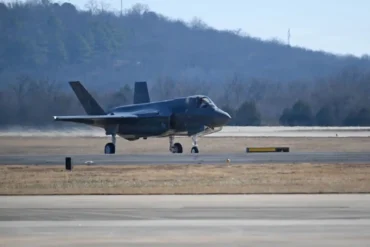
The F-35A, by contrast, was built with these challenges in mind. Its sensor fusion capabilities allow pilots to process vast amounts of data in real time, while its low-observable design enables operations in high-threat environments. For Canada’s Arctic mission, these features are not luxuries—they are requirements.
Why the F-35A Stands Apart
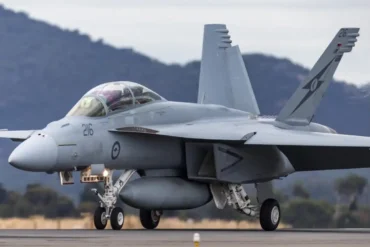
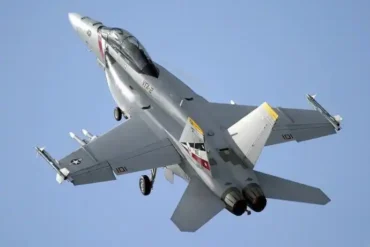
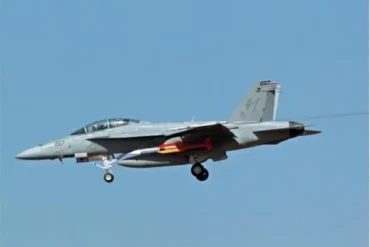
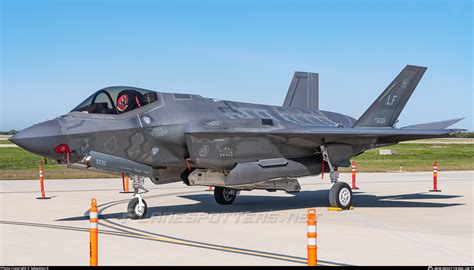
Canada’s fighter competition was not short on credible contenders. The F/A-18 Super Hornet and the Saab Gripen E both offered capable, modern platforms. However, the F-35A distinguished itself in areas that align directly with Canada’s strategic needs.
At its core, the F-35A is not just a fighter jet—it is a networked combat system. Its ability to collect, fuse, and share data across multiple domains transforms it into a force multiplier within allied operations. This level of integration is critical for both NORAD and NATO missions, where interoperability is essential.
Key advantages of the F-35A include:
- Stealth capabilities that significantly reduce detection by enemy radar
- Advanced sensor fusion, providing unmatched situational awareness
- Seamless interoperability with U.S. and allied forces
- Electronic warfare dominance, enabling operations in contested environments
These features collectively ensure that the aircraft is not only survivable but also highly effective in modern combat scenarios.
What Canada Is Actually Acquiring
The Government of Canada has committed to purchasing 88 F-35A aircraft, marking the largest air power investment in the country in more than three decades. The acquisition goes beyond the jets themselves, encompassing weapons systems, training infrastructure, maintenance support, and long-term sustainment.
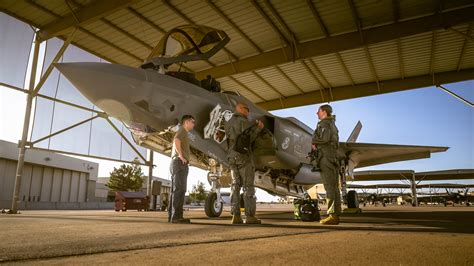
The aircraft will be delivered in the advanced Block 4 configuration, representing the cutting edge of F-35 capability. Initial deliveries will begin in 2026, with Canadian pilots training at Luke Air Force Base in Arizona, and the first operational deployments in Canada expected by 2028.
This phased approach ensures a smooth transition from the CF-18 fleet while maintaining operational readiness during the handover period.
Economic Impact and Industrial Integration
The F-35 program is not just a military investment—it is also an economic one. Canada has been a participant in the Joint Strike Fighter program since 1997, and its industry is deeply integrated into the global supply chain.
More than 110 Canadian companies contribute to F-35 production, collectively securing billions of dollars in contracts. This participation provides long-term economic benefits, including high-skilled jobs and access to advanced aerospace technologies.
Unlike traditional offset agreements, the F-35 program operates as a global production ecosystem, meaning Canadian firms compete for and win contracts based on capability. This model has proven highly lucrative, positioning Canada as a key contributor to one of the largest defense programs in the world.
Costs, Controversy, and Political Friction
No major defense procurement is without controversy, and the F-35 program is no exception. Initial cost estimates of around CAD $19 billion have grown to exceed CAD $27 billion, fueling debate over affordability and fiscal priorities.
Critics have raised concerns about long-term sustainment costs, infrastructure requirements, and the overall financial burden on taxpayers. At times, political discussions have introduced uncertainty, including suggestions of diversifying the fleet or reconsidering alternatives.
However, such uncertainty carries its own risks. Canada’s fighter choice is closely tied to its role within NORAD, and any deviation from the F-35 plan could complicate integration with U.S. defense systems. This interdependence means that procurement decisions are not purely domestic—they have binational strategic implications.
A Program That Has Passed the Point of No Return
Despite the debates, Canada’s F-35 acquisition has moved firmly into the execution phase. Contracts have been signed, payments initiated, and training programs established. Industrial partnerships are already delivering economic returns, and delivery timelines are locked in.
Reversing course at this stage would not only incur financial penalties but also disrupt Canada’s defense posture and strain relationships with key allies. The program is, for all practical purposes, irreversible.
More importantly, the operational need remains unchanged. The CF-18 fleet cannot be extended indefinitely, and delaying replacement would only deepen the capability gap.
A Strategic Reset for the Next Generation
Canada’s transition from the CF-18 to the F-35A represents more than a fleet upgrade—it is a strategic reset. It reflects a recognition that modern air combat demands capabilities that legacy platforms simply cannot provide.
The decision aligns Canada with a growing network of F-35 operators worldwide, enhancing interoperability and ensuring that its air force remains relevant in an era defined by data-driven warfare, stealth technology, and rapid response requirements.
The CF-18 served with distinction, exceeding expectations and proving its value across decades of service. But even the most capable aircraft has its limits. The F-35A is not just the next step—it is a necessary leap into the future of air power.
In a world where threats evolve rapidly and readiness cannot be compromised, Canada’s choice is less about ambition and more about reality. The sky it must defend has changed, and now, so has the aircraft tasked with protecting it.