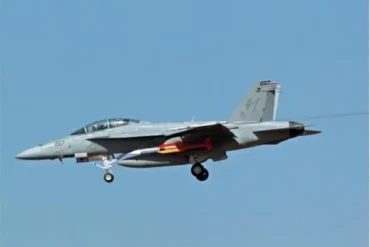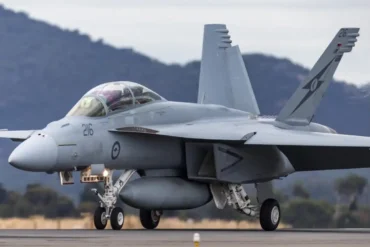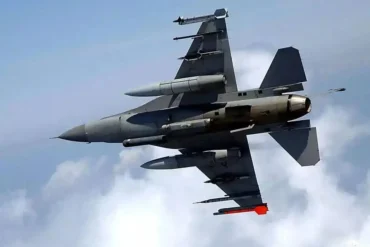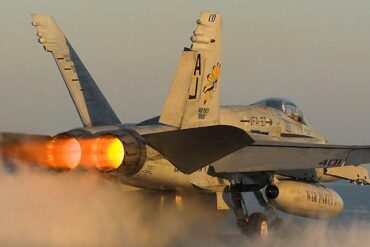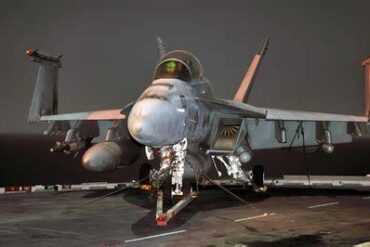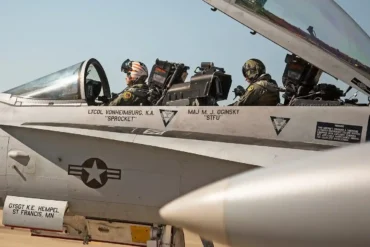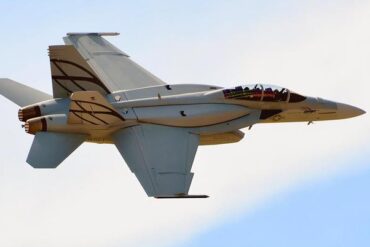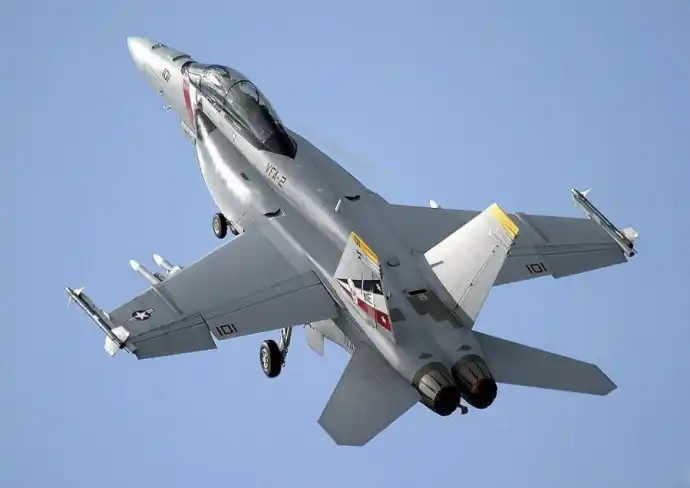
The F/A-18 Hornet and F/A-18 Super Hornet are among the most advanced carrier-based aircraft in the world, thanks in large part to their high-performance engines. Developed by General Electric (GE), the F404 and F414 turbofan engines provide the necessary thrust, efficiency, and reliability to support multi-role combat missions. This article explores the evolution, technical specifications, and operational impact of these engines.
F404-GE-400: The Original F/A-18 Hornet Engine
The F/A-18 Hornet (A/B/C/D variants) was originally powered by the F404-GE-400 turbofan engines, designed for both efficiency and durability in demanding naval operations.
Key Specifications of F404-GE-400
- Thrust: 16,000–17,700 lbf (71–79 kN) per engine
- Bypass Ratio: 0.34:1
- Top Speed Support: Up to Mach 1.8
- Design: Compact, lightweight, and highly reliable for carrier operations
- Features: Advanced digital controls and a modular construction for ease of maintenance
The low-bypass turbofan design of the F404 allows for optimal fuel efficiency while maintaining high maneuverability. This engine also played a crucial role in enabling air-to-air combat agility and precision strike missions.
F414-GE-400: The Super Hornet’s Powerhouse
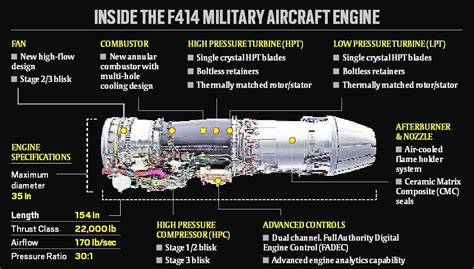
With the introduction of the F/A-18E/F Super Hornet, a more powerful engine was required to accommodate the aircraft’s increased size, weight, and combat capabilities. Enter the F414-GE-400 turbofan engine.
Key Specifications of F414-GE-400
- Thrust: 22,000 lbf (98 kN) per engine
- Bypass Ratio: 0.40:1
- Increased Fuel Efficiency: Enables longer operational range
- Improved Durability: Engine components designed for greater resistance to foreign object damage (FOD)
- Operational Flexibility: Supports a wide range of payloads, up to 8 tons of ordnance
This upgraded engine not only improves the Super Hornet’s acceleration and climb rate, but also allows it to carry heavier payloads, making it a superior platform for both air superiority and ground attack missions.
Block III Enhancements: Powering the Next Generation
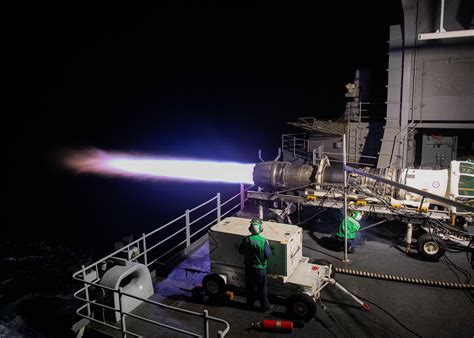
The latest Block III Super Hornet upgrades introduced in 2024 include significant improvements to the F414 engine.
Engine Enhancements in Block III
- Enhanced Power Modules (EPM): Designed to increase thrust output by up to 20%
- Advanced Cooling Systems: Optimized for sustained high-performance operations
- Improved Fuel Burn Efficiency: Extends the aircraft’s range and endurance
With these updates, the Super Hornet now boasts greater operational flexibility and superior combat endurance, ensuring its effectiveness in modern naval warfare scenarios.
F404 vs. F414: Performance Comparison
| Feature | F404-GE-400 (Hornet) | F414-GE-400 (Super Hornet) |
|---|---|---|
| Thrust per Engine | 17,700 lbf | 22,000 lbf |
| Bypass Ratio | 0.34:1 | 0.40:1 |
| Aircraft Models | F/A-18A/B/C/D | F/A-18E/F, EA-18G Growler |
| Key Advantage | Reliability & Simplicity | Higher Thrust & Efficiency |
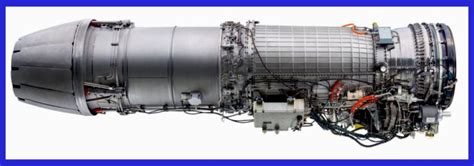
Operational Impact of F414 Engine in the Super Hornet
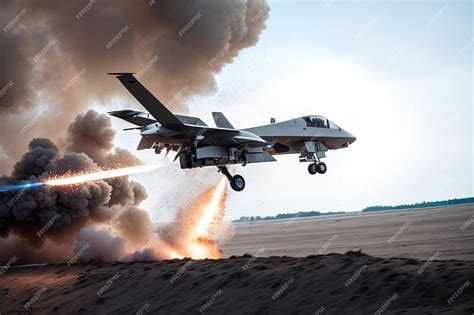
The F414’s increased thrust and efficiency allow the Super Hornet to execute long-range strikes, high-speed intercepts, and electronic warfare missions with ease. Key advantages include:
- Higher Payload Capacity: Supports a maximum weapons load of 8 tons
- Extended Combat Radius: Enables deep-strike operations without mid-air refueling
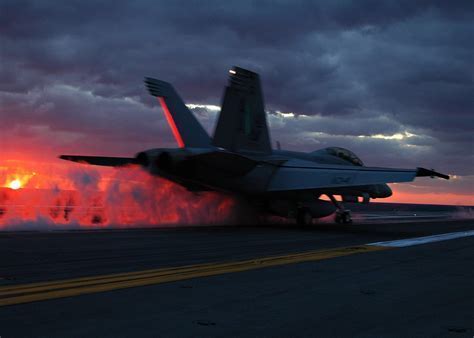
- Carrier-Based Efficiency: Designed for catapult launches and arrested landings
- Integration with Advanced Avionics: Works seamlessly with modern radar and targeting systems
These capabilities cement the Super Hornet’s role as a premier multi-role fighter for the U.S. Navy and allied air forces worldwide.
Conclusion
The evolution from F404 to F414 represents a significant leap in engine performance, fuel efficiency, and operational capability for the F/A-18 series. With continued advancements, the Super Hornet remains a formidable air combat platform, ready to meet the challenges of modern warfare.
FAQ
1. How does the F414-GE-400 engine improve the Super Hornet’s performance?
The F414 engine provides 22,000 lbf of thrust, improving acceleration, climb rate, and payload capacity. It also enhances fuel efficiency and durability, allowing the aircraft to operate in high-intensity combat environments.
2. What are the main differences between the F404 and F414 engines?
The F404 engine, used in the original Hornet, provides 17,700 lbf of thrust, whereas the F414, used in the Super Hornet, delivers 22,000 lbf. The F414 features improved fuel efficiency, greater thrust, and better resistance to damage, making it more suitable for modern combat missions.
3. What upgrades were introduced in the Block III Super Hornet?
Block III enhancements include thrust optimizations, Enhanced Power Modules (EPM), improved cooling systems, and increased fuel efficiency. These upgrades improve combat range, endurance, and performance in high-stress environments.