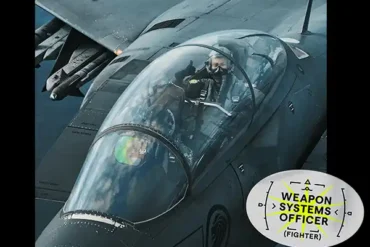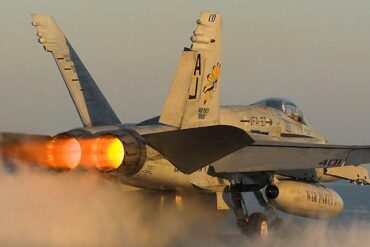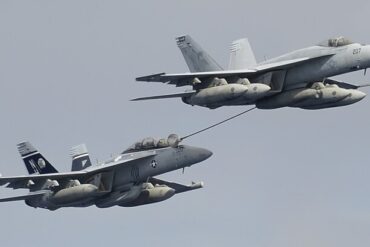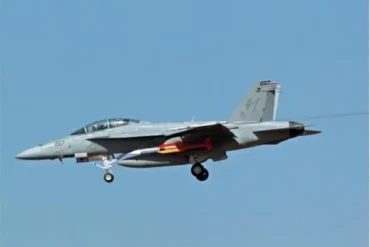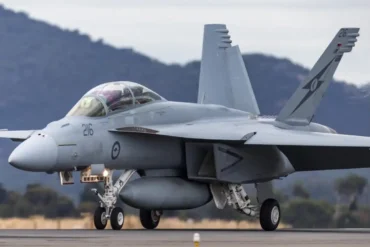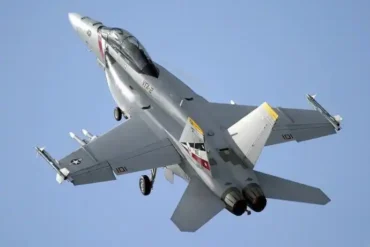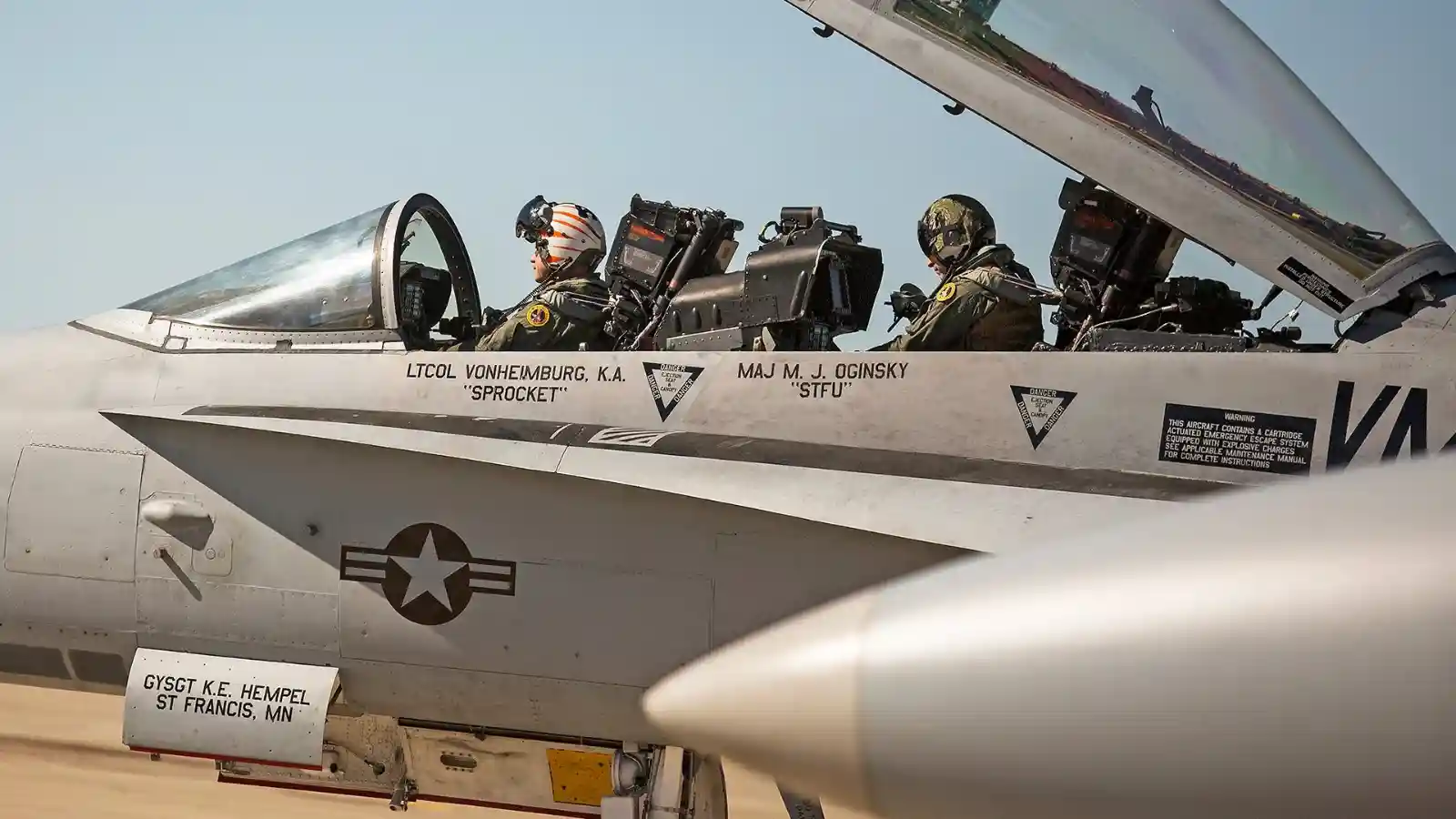
The F/A-18 Super Hornet remains one of the most advanced multi-role fighters in the U.S. Navy’s arsenal. As the Navy’s aging aircraft such as the A-7 Corsair and A-6 Intruder were phased out, the F/A-18 took over their roles, combining both fighter and attack capabilities in a single platform. However, as missions became more complex and technology more advanced, the Weapons and Sensors Officer (WSO) emerged as a critical role in the two-seat variant, the F/A-18F.
This article explores the importance of the WSO, the capabilities of the F/A-18E/F Super Hornet, and how this role enhances operational effectiveness in modern combat environments.
Evolution of the F/A-18: The Need for a WSO
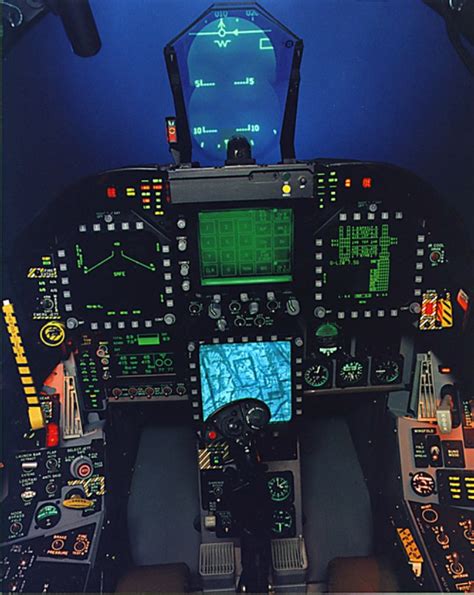
With the introduction of the F/A-18E/F Super Hornet, the U.S. Navy expanded the Hornet’s capabilities, particularly in multi-role operations. Unlike its predecessors, the Super Hornet features enhanced fuel capacity, advanced avionics, and improved electronic warfare capabilities. These technological advancements introduced an overwhelming flow of information into the cockpit, creating a significant cognitive load on the pilot.
The solution? Adding a Weapons and Sensors Officer (WSO) to the F/A-18F variant. The WSO is responsible for managing radar systems, electronic countermeasures, targeting systems, and weapon deployment, significantly reducing the pilot’s workload.
The Role of the WSO in Combat Operations
The WSO’s primary role is to maximize the aircraft’s combat efficiency by managing weapons and sensor systems. Unlike a traditional co-pilot, the WSO focuses on battlefield awareness, allowing the pilot to concentrate on maneuvering the aircraft and making tactical decisions.
Key responsibilities of a WSO include:
- Radar and Sensor Management: Operating the Hughes APG-73 radar, which provides long-range target tracking and engagement. This radar system enables the F/A-18 to act as an airborne radar picket, identifying hostile targets up to 300 kilometers away.
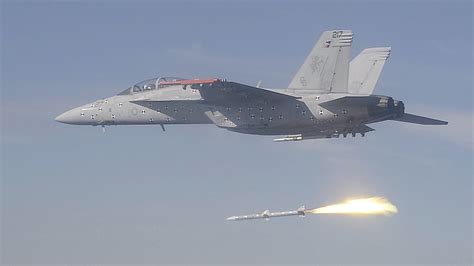
- Weapons Deployment: Controlling air-to-air and air-to-ground weapons, including the AIM-120 AMRAAM, AGM-88 HARM, and JDAM precision-guided bombs.
- Electronic Warfare & Countermeasures: Operating advanced jamming and countermeasure systems to counter enemy radar and missile threats.
- Mission Coordination: Assisting in tactical planning and executing joint-strike missions with other naval and aerial assets.
Technological Advancements in the F/A-18F Super Hornet
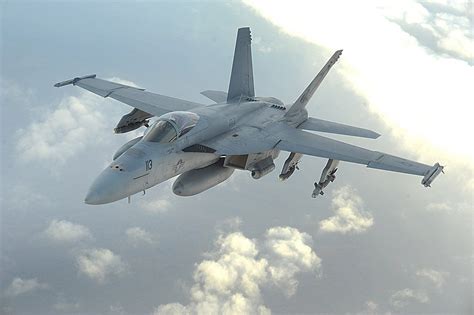
The F/A-18E/F Super Hornet represents a quantum leap in naval aviation. Designed to replace the F-14 Tomcat, the Super Hornet brings cutting-edge avionics and mission systems.
APG-73 Radar System: A Game-Changer in Target Recognition
The Hughes APG-73 radar, incorporated into the F/A-18E/F, utilizes monopulse radar technology, offering superior performance over traditional radar implementations. With non-cooperative target recognition (NCTR), the radar system can autonomously identify enemy aircraft without external input, providing a significant tactical advantage.
The WSO plays a vital role in managing this sophisticated sensor suite, ensuring optimal performance during combat missions.
Electronic Countermeasures & Mission Computers
The Super Hornet’s electronic warfare suite includes:
- ALQ-214 Integrated Defensive Electronic Countermeasures (IDECM): Protects against radar-guided threats.
- ALE-50 towed decoy system: Deflects incoming enemy missiles.
- Advanced Mission Computer (AMC): Enhances data fusion, providing real-time battlefield intelligence.
These systems contribute to survivability in high-threat environments, allowing F/A-18F crews to maintain superiority in air-to-air and air-to-ground engagements.
Operational Effectiveness of the Two-Seat Configuration
Lessons from the Marine Corps’ F/A-18D
The U.S. Marine Corps has successfully operated the two-seat F/A-18D Hornet in all-weather, multi-role missions. During Operation Desert Storm, the F/A-18D’s dual-crew configuration proved invaluable for target acquisition and precision strike operations.
Navy officials noted that the additional crew member significantly reduced pilot workload, allowing for more efficient engagement in complex combat scenarios.
Combat Performance: The F/A-18F in Modern Warfare
The F/A-18F Super Hornet has been extensively deployed in combat operations, including:
- Operations over Iraq and Afghanistan
- Naval air superiority patrols in the South China Sea
- Suppression of enemy air defenses (SEAD) missions
The two-seat variant provides a clear tactical advantage in high-intensity combat environments, where rapid decision-making and situational awareness are critical.
Cost vs. Capability: The Debate Over Single vs. Dual Crew
One of the primary arguments against the WSO’s role is cost. Training and maintaining a second crew member increases expenses, including:
- WSO training programs
- Additional salaries and operational costs
- Extended flight crew requirements for carrier deployments
However, proponents argue that the long-term benefits outweigh the costs. The two-seat configuration ensures future-proof adaptability, allowing the F/A-18F to remain operationally relevant for decades.
Future of the WSO in Naval Aviation
As the Navy continues to integrate advanced AI and automation, some speculate whether a WSO will remain essential in future aircraft. However, combat experience suggests that human decision-making remains irreplaceable, particularly in dynamic, high-stakes scenarios.
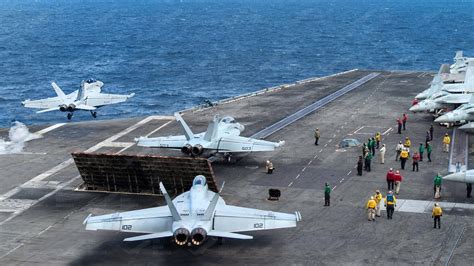
The F/A-18F Super Hornet will likely serve well into the 2040s, with continuous upgrades ensuring its superiority in carrier-based aviation.
Conclusion
The addition of a Weapons and Sensors Officer (WSO) to the F/A-18F Super Hornet has proven to be an indispensable asset in modern warfare. By enhancing situational awareness, managing electronic warfare systems, and optimizing weapon deployment, the WSO significantly improves combat effectiveness.
As the Navy looks toward future conflicts, the dual-crew configuration ensures that the Super Hornet remains one of the most capable and versatile aircraft in service today.
FAQ: Frequently Asked Questions
1. What is the difference between an F/A-18E and an F/A-18F?
The F/A-18E Super Hornet is a single-seat variant, while the F/A-18F includes a second seat for a Weapons and Sensors Officer (WSO). The two-seat configuration allows for improved mission management, particularly in complex combat scenarios.
2. Why does the F/A-18F require a WSO?
The WSO is responsible for managing radar, sensors, and electronic warfare systems, allowing the pilot to focus on maneuvering the aircraft and combat tactics. This division of tasks significantly enhances operational effectiveness.
3. How long will the F/A-18F Super Hornet remain in service?
The U.S. Navy plans to operate the F/A-18E/F Super Hornet well into the 2040s, with continuous upgrades to avionics, weapons systems, and electronic warfare capabilities ensuring its long-term relevance.