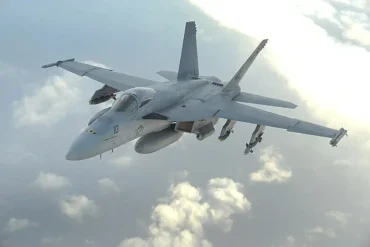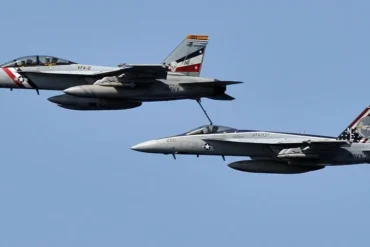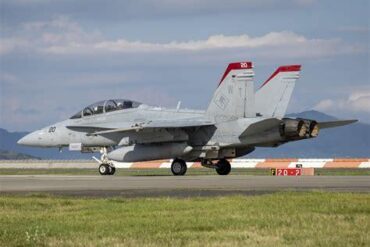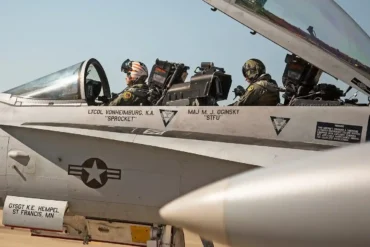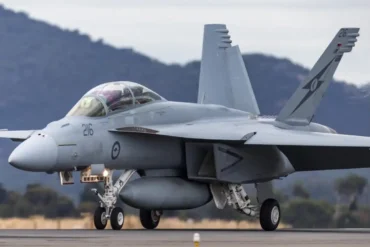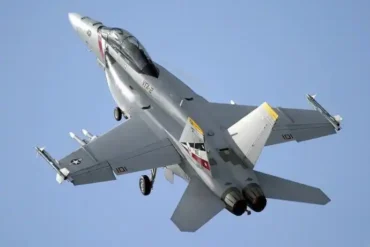
The F/A-18E/F Super Hornet is a versatile, carrier-based multirole fighter jet that serves as the backbone of the U.S. Navy’s strike fighter fleet. While not a dedicated aerial refueling aircraft, the Super Hornet possesses a critical “buddy refueling” capability, enabling it to serve as an airborne tanker for other carrier-based aircraft. This capability is particularly important in extending operational range and mission flexibility, especially in scenarios where dedicated refueling assets are unavailable.
Buddy Refueling Capability
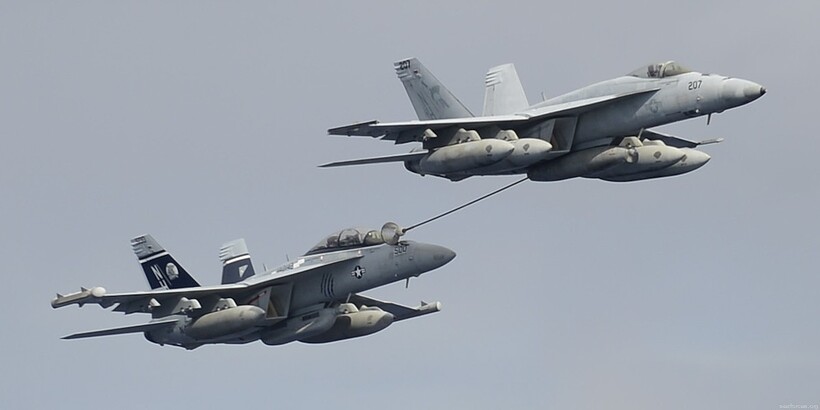
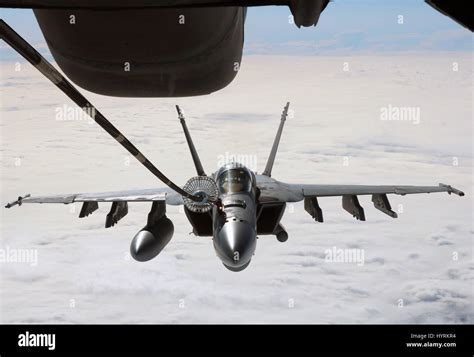
The F/A-18E/F Super Hornet can perform aerial refueling missions by equipping an Aerial Refueling System (ARS) pod. This system is typically mounted on the centerline or underwing hardpoints, transforming the fighter into a tanker capable of transferring fuel to other aircraft such as the F-35C Lightning II, E-2D Advanced Hawkeye, and other carrier-based assets.
The ARS pod comprises a fuel pump, hose-and-drogue system, and monitoring equipment, allowing it to refuel aircraft in-flight. This system has proven to be a crucial component of carrier air wing (CVW) operations, ensuring that fighter jets can extend their range without requiring immediate return to the carrier for refueling.
Strategic Importance in Carrier Strike Groups
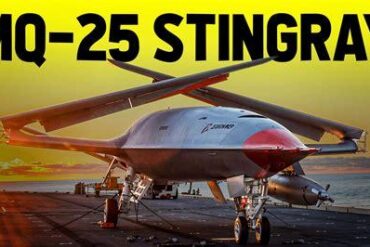
The Super Hornet’s buddy refueling role has become increasingly vital as the U.S. Navy transitions away from legacy tanker aircraft like the S-3 Viking and KA-6D Intruder. Until the full deployment of the MQ-25 Stingray unmanned tanker, the F/A-18E/F remains the primary tanker aircraft for carrier-based refueling operations.
In a carrier strike group (CSG), the ability to refuel in-flight directly impacts the effectiveness of combat air patrols (CAPs), strike missions, and reconnaissance sorties. Without buddy refueling, aircraft might have to limit their operational range, reducing their effectiveness in extended operations.
Synergy with the MQ-25 Stingray
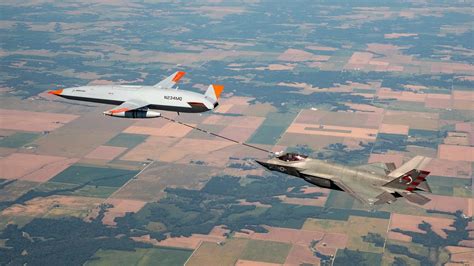
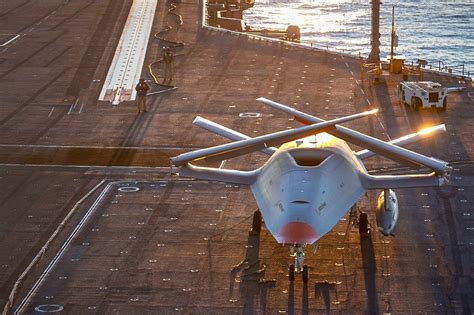
The introduction of the MQ-25 Stingray unmanned aerial refueling system aims to reduce the burden on the F/A-18E/F by taking over the primary tanking role. The MQ-25 will significantly enhance the operational reach of carrier-based fighters, allowing them to conduct longer-range strike missions while preserving the Super Hornet’s combat capability.
However, until the MQ-25 is fully integrated into carrier air wings, the F/A-18E/F will continue serving as a critical refueling platform. The Block III variant of the Super Hornet, featuring conformal fuel tanks (CFTs), allows for additional fuel storage while freeing up hardpoints for weapons or additional mission payloads.
Technological Upgrades and Fuel Efficiency
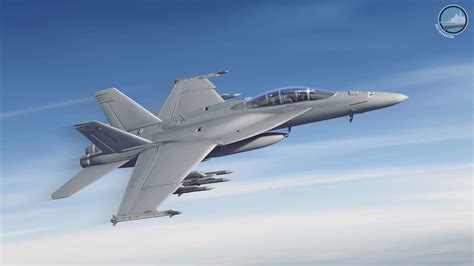
The F/A-18E/F Block III includes several improvements that enhance its efficiency as both a fighter and a tanker. Among these upgrades:
- Conformal Fuel Tanks (CFTs): These reduce drag and increase fuel capacity, allowing the aircraft to perform longer missions with improved efficiency.
- Advanced Cockpit System: A 10×19-inch touchscreen display improves situational awareness for pilots conducting complex operations like aerial refueling.
- Infrared Search and Track (IRST) System: Enhances target acquisition and detection, even while carrying an ARS pod for refueling missions.
These enhancements ensure that the Super Hornet remains a capable tanker without compromising its multi-role combat effectiveness.
Combat Scenarios and Mission Adaptability
The Super Hornet’s buddy refueling capability plays a vital role in combat operations and long-range strike missions. A typical refueling scenario involves one F/A-18E/F configured as a tanker, supporting a strike package of Super Hornets, F-35Cs, or EA-18G Growlers heading toward a distant target.
This capability is particularly useful in operations where airborne tankers (KC-135 or KC-46) are not accessible, such as in heavily contested airspace or carrier-based deployments in remote regions.
Comparisons with Other Carrier-Based Aircraft
EA-18G Growler
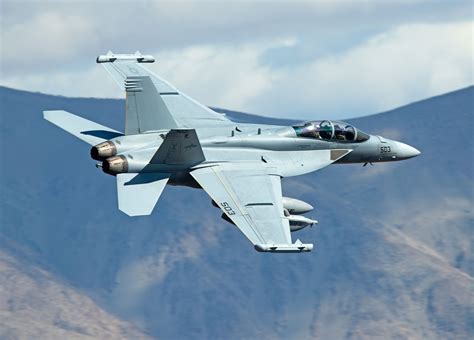
The EA-18G Growler, an electronic warfare (EW) variant of the Super Hornet, shares structural compatibility with the F/A-18F but is primarily tasked with suppression of enemy air defenses (SEAD) and jamming enemy radar systems. While the Growler can technically carry an ARS pod, it is rarely assigned aerial refueling duties due to its specialized role.
F-35C Lightning II
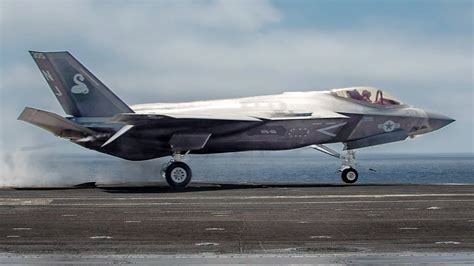
The F-35C, designed for carrier-based stealth operations, lacks an integral buddy refueling capability. It relies heavily on refueling from the Super Hornet or other dedicated tankers, highlighting the F/A-18E/F’s continued importance in naval aviation.
Conclusion
While not a dedicated aerial refueling aircraft, the F/A-18E/F Super Hornet provides essential aerial refueling support within carrier strike groups, ensuring that other aircraft can complete their missions without prematurely returning to base. Until the full integration of the MQ-25 Stingray, the Super Hornet’s buddy refueling capability remains a cornerstone of U.S. Navy carrier aviation.
Its ability to seamlessly transition between fighter and tanker roles enhances the flexibility, endurance, and operational reach of carrier-based forces, making it an indispensable asset in modern naval warfare.
FAQ
How much fuel can the F/A-18E/F transfer in a refueling mission?
The F/A-18E/F can transfer up to 4,000–5,000 pounds of fuel using the Aerial Refueling System (ARS) pod, depending on its own mission requirements and external fuel tank configuration.
Will the MQ-25 replace the Super Hornet’s refueling role entirely?
The MQ-25 will significantly reduce the need for Super Hornet buddy refueling, but the F/A-18E/F will still be used in situations where immediate or emergency refueling is needed, particularly during high-tempo operations.
What are the advantages of the buddy refueling system over traditional aerial tankers?
Buddy refueling provides carrier-based aircraft with immediate in-theater refueling, reducing reliance on land-based tankers like the KC-135 Stratotanker. It enhances operational flexibility and allows fighters to extend their range without leaving the carrier’s area of operations.