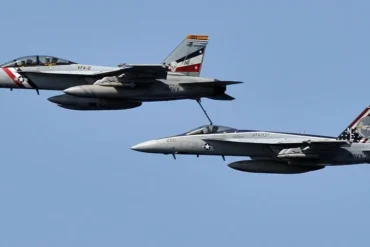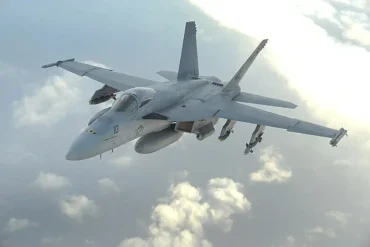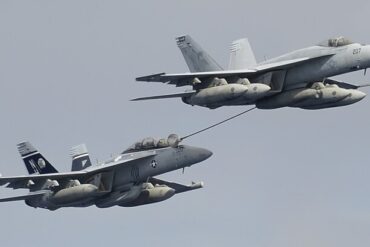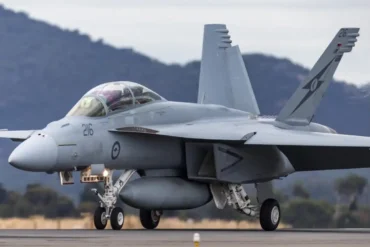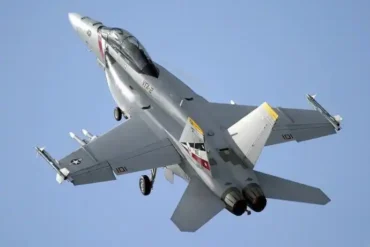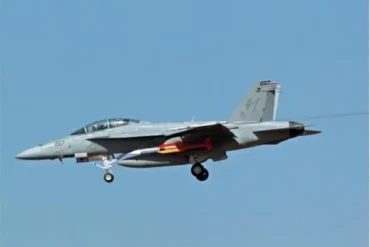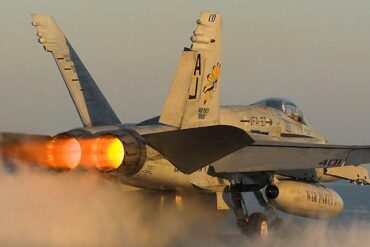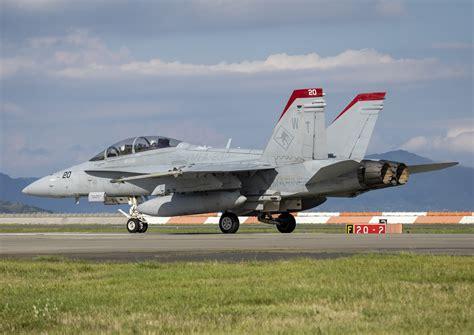
The U.S. Navy has awarded Boeing a substantial $930.77 million contract to modernize and extend the service life of up to 60 F/A-18E/F Super Hornet Block II aircraft, ensuring the long-term strength of carrier-based airpower as next-generation fighters remain in development. This move signals a pivotal strategy in sustaining U.S. naval aviation dominance amid increasing global tensions and uncertain procurement timelines for future air platforms.
Strategic Investment in Naval Aviation Capabilities
The Super Hornet, a multirole fighter that has served as the backbone of U.S. carrier aviation for over two decades, is once again at the forefront of Pentagon planning. The newly announced contract, finalized on December 16, 2025, marks a continuation of a broader modernization effort aimed at pushing the jet’s certified service life from 6,000 to 10,000 flight hours.
Rather than rely solely on new aircraft procurement, the Navy is choosing to maximize the operational lifespan of its existing fleet, capitalizing on proven airframes while incorporating Block III avionics and structural enhancements. This approach not only mitigates the risk of capability gaps but also strengthens the U.S. position in a global theater where carrier strike group readiness remains critical.
Contract Details and Execution Plan
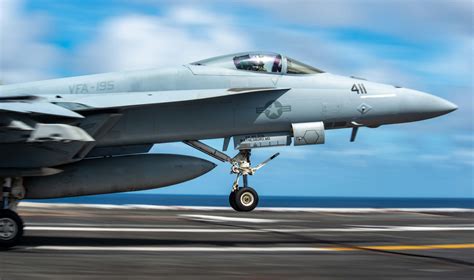
Awarded by Naval Air Systems Command (NAVAIR) in Patuxent River, Maryland, the contract is structured as a cost-plus-incentive-fee, cost-plus-fixed-fee, indefinite-delivery/indefinite-quantity (IDIQ) agreement. This format reflects the complexity and variability of each aircraft’s upgrade requirements. Since every Super Hornet arrives at the depot with different usage histories, corrosion levels, and fatigue profiles, flexibility in funding and scheduling is paramount.
The modification work will be distributed across three strategic locations:
- San Diego, California – 44%
- San Antonio, Texas – 44%
- St. Louis, Missouri – 12%
By leveraging this tri-site network, the Navy ensures steady industrial output, scalable throughput, and resilience in production. The contract runs through November 2028, with funding obligated progressively via individual task orders.
Upgrades that Define the Future Battlespace
The Block III upgrade package introduces cutting-edge capabilities designed for the modern battlespace. These enhancements include:
- A large-area cockpit display to improve pilot situational awareness.
- Advanced onboard computing power and mission processing.
- Integration with Tactical Targeting Network Technology (TTNT).
- An open mission systems architecture, enabling the rapid insertion of future systems.
These upgrades are essential in a world where data fusion, network-centric warfare, and multi-domain operations dictate success. Boeing’s demonstrated ability to deliver on prior Block III conversions means the upgrade process is now streamlined and industrially mature, reducing implementation risk.
Bridging the Gap to Next-Generation Platforms
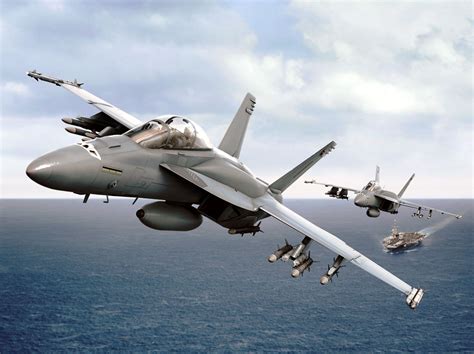
As the F-35C continues to scale production and the F/A-XX next-generation fighter remains years away from fielding, the Navy faces an urgent need to sustain combat-capable platforms. The Super Hornet modernization effort addresses this by retaining a highly survivable, adaptable airframe while boosting its technological edge.
This approach prevents a potential shortfall in strike fighter availability, especially considering the intense operational tempo of U.S. carrier groups. From missions over the Middle East and Europe to Indo-Pacific patrols, Super Hornets have absorbed significant wear, emphasizing the need for their continued relevance through service-life extension.
Tactical and Geopolitical Implications
Carrier-based aviation remains a cornerstone of U.S. power projection. With peer adversaries enhancing their anti-access/area denial (A2/AD) strategies, especially in the Western Pacific, the U.S. must ensure its carrier air wings are combat-ready and technologically current. Upgrading a significant share of the Block II fleet to Block III standards boosts:
- Survivability in hostile environments
- Interoperability with modern platforms
- Situational awareness and information dominance
- Mission flexibility across the full spectrum of operations
This capability uplift ensures that Super Hornets remain potent tools for maritime strike, air defense, intelligence gathering, and close air support, preserving operational flexibility in evolving combat theaters.
Supporting the Industrial Base and Strategic Workforce
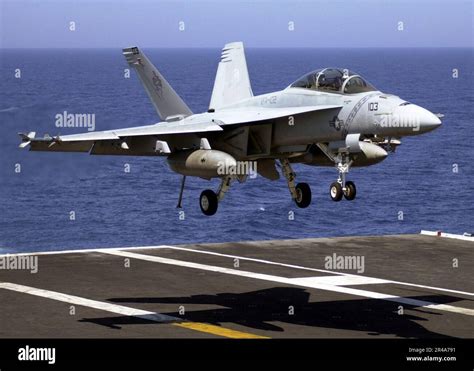
Beyond its immediate military value, the contract reinforces the U.S. aerospace industrial base. Boeing’s ongoing collaboration with Fleet Readiness Center Southwest in San Diego and other public-private stakeholders ensures that the necessary technical skills, production capacity, and engineering capabilities remain intact.
By stabilizing workloads at Boeing’s SLM sites and ensuring a skilled workforce, the Navy not only sustains readiness but also signals long-term support for the Super Hornet to both international partners and potential foreign military sales (FMS) customers. This strategic signaling enhances the aircraft’s export potential and reassures allies operating legacy Hornet variants that logistical and technological continuity will be maintained.
A Pragmatic Vision for Naval Air Power
This contract exemplifies a pragmatic defense acquisition strategy: extend the operational lifespan of battle-proven platforms while layering in key technological improvements. It balances the need to stay ahead of threats without waiting on the uncertainties of future systems. The Navy’s decision to fund service life modifications (SLM) for 60 airframes stabilizes its near-term force posture and buys critical time for the maturation of sixth-generation air dominance initiatives.
If executed effectively, this SLM initiative will result in a modernized, standardized fleet with upgraded digital architecture, increased lethality, and extended flight hours. In doing so, it ensures the F/A-18E/F Super Hornet continues to serve as a cornerstone of carrier aviation through the 2030s.

Conclusion: Super Hornets to Remain in the Fight
At a moment of rapid geopolitical change and defense budget scrutiny, the U.S. Navy’s decision to invest nearly a billion dollars into upgrading the F/A-18E/F Super Hornet fleet represents a calculated and forward-looking maneuver. It preserves combat readiness, supports industrial capacity, and sends a clear message: U.S. carrier airpower is here to stay, adaptive, connected, and lethal well into the future.
As the F/A-18E/F enters the next phase of its operational life, bolstered by Block III enhancements and an extended airframe lifespan, it reaffirms its place not just as a legacy asset, but as a critical enabler of 21st-century naval warfare.