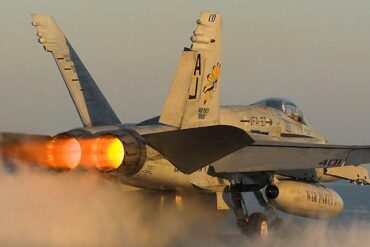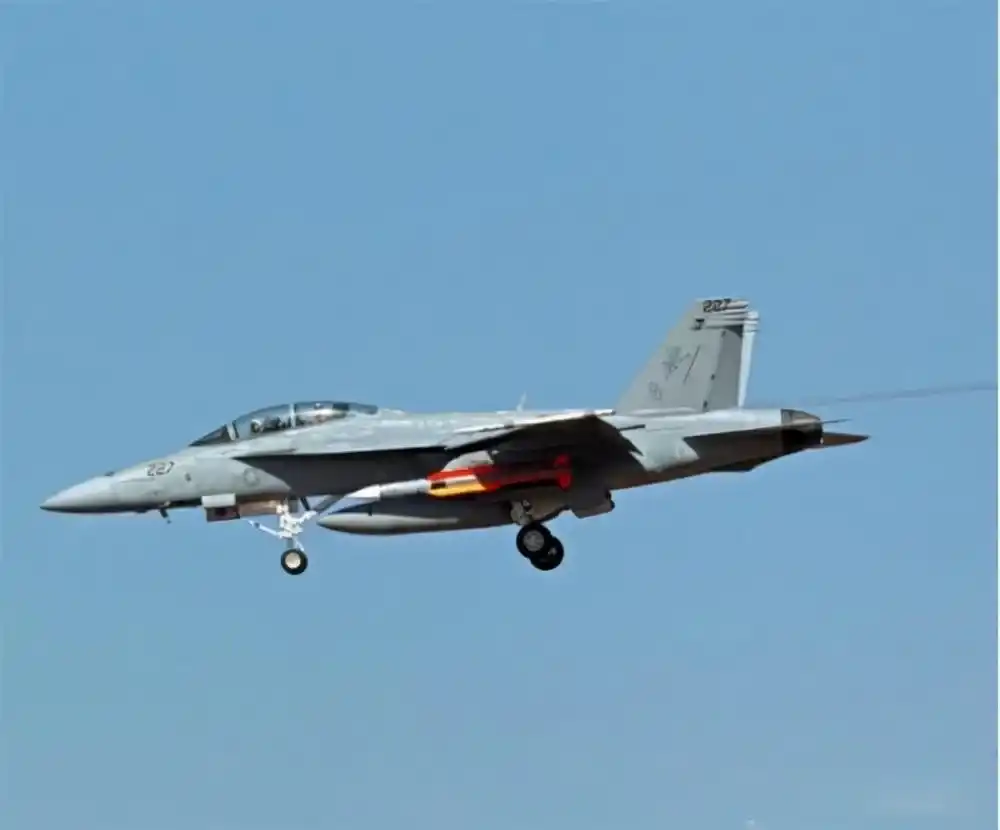
The F/A-18 Hornet is one of the most iconic aircraft in modern military aviation. Developed by McDonnell Douglas, now part of Boeing, the F/A-18 has served as a multirole fighter in the United States Navy and Marine Corps, as well as in the air forces of several allied nations. Over the years, this aircraft has earned distinct nicknames that reflect its capabilities, size, and operational roles.
The original F/A-18A-D variants are commonly referred to as the “Hornet”, a name that captures their speed, agility, and effectiveness in combat. Meanwhile, the more advanced F/A-18E/F Super Hornet has been unofficially dubbed the “Rhino”, emphasizing its larger airframe, increased power, and carrier operations.
This article delves into the meaning and origins of these nicknames, their importance in military aviation, and how they shape public and professional perception of the aircraft.
The “Hornet”: The Original F/A-18A-D
Origins of the Name
The nickname “Hornet” was chosen for the F/A-18A-D series, highlighting the aircraft’s agile and aggressive nature. Much like the insect it is named after, the Hornet is known for its quick maneuvers, deadly precision, and ability to strike with formidable power. It was designed to replace aging aircraft such as the F-4 Phantom II and the A-7 Corsair II, bringing a new level of versatility and lethality to the fleet.
Performance and Role
The F/A-18 Hornet is a twin-engine, supersonic, all-weather fighter and attack aircraft. Its multirole capability allows it to engage in both air-to-air combat and ground strike missions, making it an invaluable asset in modern warfare. Some key features include:
- Speed: Capable of reaching speeds over Mach 1.8
- Maneuverability: High angle of attack and superior dogfighting capabilities
- Weaponry: Equipped with AIM-120 AMRAAM, AIM-9 Sidewinder, and AGM-88 HARM missiles
Service and Global Use
The Hornet entered service in the early 1980s and has been extensively used in conflicts such as the Gulf War, Operation Iraqi Freedom, and Operation Enduring Freedom. Its adoption by Australia, Canada, Spain, and Switzerland further underscores its global recognition.
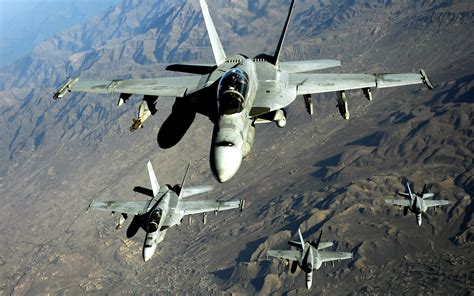
The “Rhino”: The F/A-18E/F Super Hornet
Why “Rhino”?
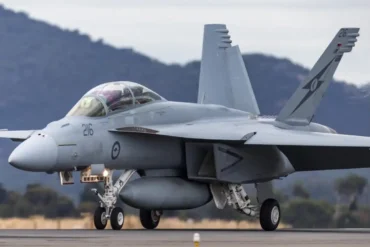
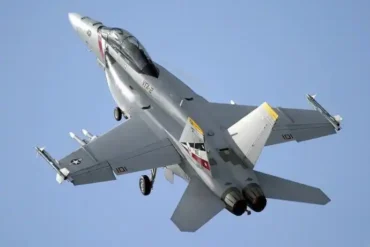
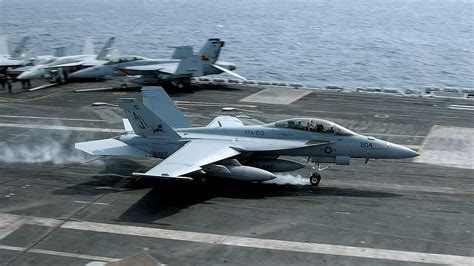
The F/A-18E/F Super Hornet, introduced in the late 1990s, is a larger, more powerful evolution of the classic Hornet. To differentiate the Super Hornet from its predecessor, U.S. Navy personnel began calling it the “Rhino”. This nickname highlights its bulkier frame, enhanced capabilities, and increased payload capacity.
Enhanced Features
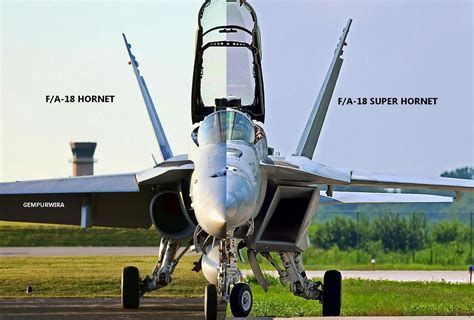
The Super Hornet is significantly different from the legacy Hornet in terms of:
- Size and Weight: It is 25% larger and has a 50% greater range
- Engines: Upgraded General Electric F414 engines with more thrust and efficiency
- Radar and Avionics: Incorporates AN/APG-79 AESA radar and advanced electronic warfare systems
- Carrier Operations: Improved carrier landing gear and refueling capabilities
Combat and Tactical Edge
The “Rhino” has proven itself in modern warfare, operating in missions that require superior strike capability, extended range, and electronic warfare integration. It has effectively replaced the F-14 Tomcat and works alongside the F-35 Lightning II.
The “Super Bug” and Other Informal Nicknames
“Super Bug” vs. “Bug”
Among aviation enthusiasts and pilots, the legacy Hornet is sometimes referred to as the “Bug”, while the Super Hornet is called the “Super Bug”. These informal names emphasize the incremental improvements of the newer model while acknowledging its roots in the original Hornet lineage.
Cultural and Operational Significance
While not officially recognized, these nicknames help distinguish aircraft generations and highlight their evolutionary advancements. The Super Hornet’s enhanced survivability and firepower have made it a dominant force in naval aviation.
Importance of Nicknames in Military Aviation
Operational Clarity
The “Rhino” nickname is particularly important in carrier operations, where verbal clarity is crucial. Pilots and deck crew need to differentiate between the Super Hornet and the classic Hornet, as the two aircraft have different landing weights and approach speeds.
Branding and Public Perception
Nicknames also shape how the public, pilots, and aviation historians view military aircraft. A powerful name like “Hornet” or “Rhino” conveys aggression, strength, and tactical supremacy, enhancing the aircraft’s legacy.
Conclusion
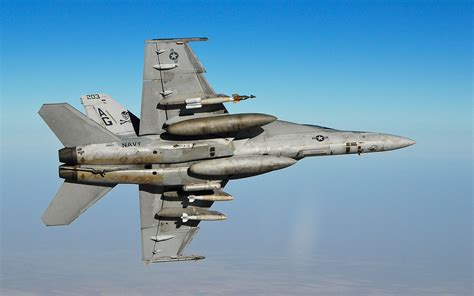
The F/A-18 Hornet and Super Hornet have left an indelible mark on modern aviation, serving as key assets in naval and aerial warfare. Their nicknames, “Hornet,” “Rhino,” and “Super Bug,” not only highlight their capabilities and differences but also enhance their cultural and operational significance. As the U.S. Navy transitions toward newer platforms like the F-35C, the legacy of the Hornet family will continue to be celebrated.
FAQ
1. Why is the F/A-18E/F Super Hornet called the “Rhino”?
The nickname “Rhino” was adopted by U.S. Navy personnel to differentiate the Super Hornet (E/F variants) from the legacy Hornet (A-D variants) during carrier operations. The Super Hornet is larger, heavier, and more powerful, requiring distinct handling procedures on aircraft carriers.
2. What is the difference between the Hornet and the Super Hornet?
The F/A-18 Hornet (A-D) is smaller, lighter, and less powerful, while the F/A-18E/F Super Hornet has a larger airframe, increased fuel capacity, stronger engines, and more advanced avionics. The Super Hornet also has longer range and enhanced combat capabilities.
3. Do other countries use the Super Hornet?
Yes, several countries operate or have ordered the F/A-18 Super Hornet, including Australia, which uses the F/A-18F variant. India, Canada, and Germany have also shown interest in acquiring the aircraft for their air forces and naval operations.