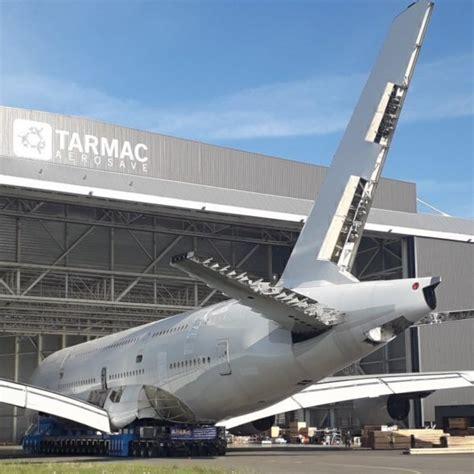
The Airbus A380, once hailed as the King of the Skies, is increasingly being dismantled for parts despite its relatively young age and massive capabilities. Though the aircraft was once a symbol of prestige and innovation, its legacy is now being broken down, piece by piece, across scrapyards worldwide. Out of the 251 units ever delivered, approximately 30 have been scrapped, representing around 12% of the total global fleet.
The dismantling of these giants isn’t simply a matter of obsolescence. It’s a tangled web of economic pressures, operational inefficiencies, and shifting airline strategies that collectively write the obituary for the world’s only full-length double-decker passenger plane.
The Shrinking Sky Fleet of the Superjumbo
Despite the Airbus A380 being less than two decades old, multiple airlines have deemed it unsustainable. Major operators like Lufthansa, Air France, and Malaysia Airlines have permanently retired their fleets. Even China Southern’s A380s, relatively new by aviation standards, have been grounded, sold, or scavenged.
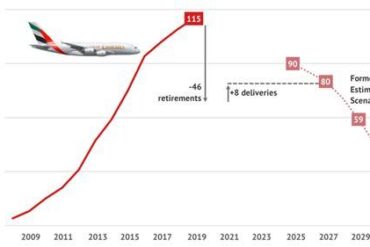
Meanwhile, Emirates, the aircraft’s biggest supporter with 123 deliveries, has quietly trimmed its fleet to 116 active or stored jets, with around 20 aircraft parked. Notably, some haven’t taken flight since the COVID-19 pandemic began. While the airline remains a stronghold for the A380, even it is not immune to the aircraft’s long-term economic strain.
Why Airlines Are Scrapping the A380
Airlines are cutting their losses. For many, the A380 has become an operational burden. The aircraft’s massive size limits the airports it can fly to, and quad-engine fuel consumption makes it disproportionately expensive during economic downturns and low-demand periods.
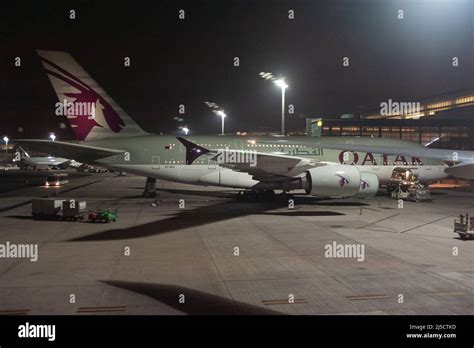
Qatar Airways publicly called its purchase of the A380 “the biggest mistake” in its fleet strategy. Lufthansa has cited certification delays with newer aircraft like the Boeing 787 Dreamliner as one reason it’s forced to keep older A380s temporarily in service. However, their long-term plans clearly favor newer, more efficient jets.
No Role in Freight or Flexible Travel
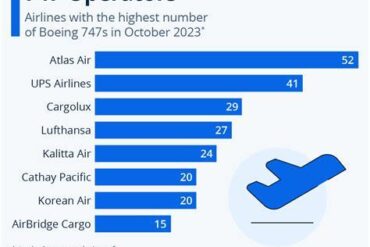
Where Boeing’s 747 found a second life as a cargo aircraft, the A380 has no such versatility. Its double-decker layout, wide wingspan, and design limitations make cargo conversion uneconomical and logistically challenging. This severely reduces its post-passenger utility, which in aviation, typically marks the second half of an aircraft’s lifecycle.
The hub-and-spoke model that the A380 was designed to serve has also fallen out of favor. Airlines today prioritize point-to-point connectivity, which smaller, twin-engine aircraft like the Boeing 787 and Airbus A350 serve more efficiently. The Dreamliner, for example, entered the market just six years after the A380 and quickly gained favor with its extended range, composite materials, and lower operating costs.
The Urgent Need for Spare Parts
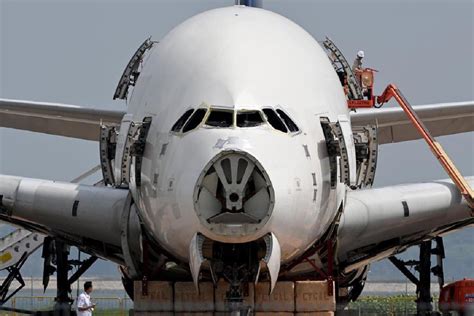
There’s also a more pragmatic reason behind the scrapping of A380s: parts cannibalization. With Airbus ceasing A380 production and associated supply chains winding down, sourcing OEM parts has become increasingly difficult. VAS Aero Services and Setna iQ, key players in the aircraft recycling sector, have stepped in to meet demand.
Airlines like Emirates that continue to operate the type require a reliable pipeline of components, including APUs, actuators, heat exchangers, and avionics. Without new production, the most economical solution is to harvest these parts from decommissioned aircraft.
This mirrors the strategy employed in military aviation, such as at the Davis–Monthan Air Force Base in the U.S., where retired aircraft are stored and disassembled for parts. For the A380, this recycling practice is both a necessity and a cost-saving measure.
Emirates and the Exception to the Rule
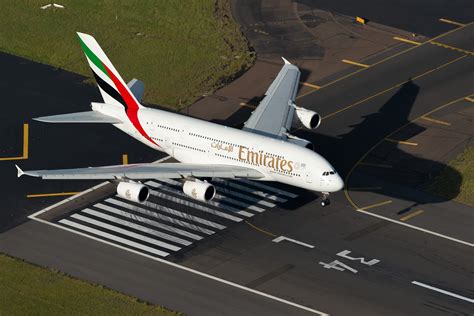
Among the scrapping frenzy, Emirates stands out as a true anomaly. The Dubai-based carrier has consistently shown loyalty to the A380, even proposing a revival of the type under the A380neo concept. While Airbus declined, Emirates has pressed ahead, retrofitting its fleet and publicly stating that its Superjumbos will remain in service well into the 2040s.
Their ability to handle high-volume long-haul routes and the unique infrastructure at Dubai International Airport make the A380 a fit for Emirates. Moreover, Emirates maintains its own internal recycling and parts procurement programs, including dismantling aircraft at Dubai World Central Airport via third-party firms like Falcon Aircraft Recycling.
Rising Hope or Last Hurrah?
Not all airlines are giving up on the A380. British Airways has retained all of its Superjumbos, largely because of London Heathrow’s capacity constraints. New entrant Global Airlines, a startup banking on the A380’s spacious cabin and long-haul potential, has acquired four used A380s. While unconventional, it signals there may still be niche markets where the aircraft can thrive.
But these are the exceptions. Most legacy airlines view the A380 as unscalable in modern aviation economics. Korean Air, for example, continues flying its A380s not by choice but due to delays in acquiring sufficient Boeing 777X, A350, and 787 aircraft.
The Economics Just Don’t Fly
At its core, the A380 is a financial relic. Airbus reportedly spent $25 billion on its development, with little return. The aircraft offered no groundbreaking innovation apart from its size. Its fuel economy, maintenance complexity, and route limitations meant its performance never aligned with evolving industry needs.
Worse yet, when Emirates canceled 39 A380 orders in 2019, it all but sealed the aircraft’s fate. Instead, the airline opted for the Airbus A350 and Boeing 787, both offering greater flexibility, lower costs, and improved environmental performance.
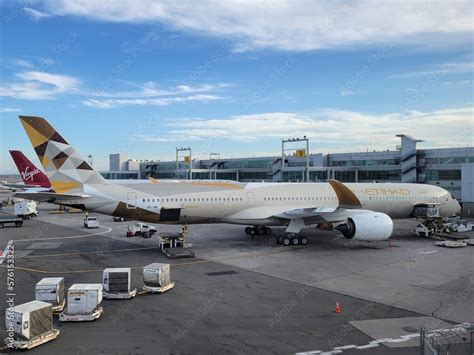
Today, the largest passenger aircraft in production, the Airbus A350-1000, carries between 375–400 passengers in typical configuration, just shy of the A380’s 555+ capacity, but at significantly lower cost. Meanwhile, the Boeing 777X, set to enter service in 2026, aims to further close that gap with maximum seating up to 555 in high-density layouts.
Conclusion: A Slow, Inevitable Decline
The scrapping of Airbus A380s reflects a broader truth in aviation: size alone doesn’t guarantee survival. As fleets modernize and shift toward sustainability and efficiency, the Superjumbo’s grandeur cannot compete with the economic rationale of newer jets.
What remains of the A380 era will likely be centered around Emirates, a few loyal legacy carriers, and speculative newcomers like Global Airlines. For the rest, the future is lighter, leaner, and far more flexible.
Until then, the ongoing scrapping trend will continue. Each dismantled A380 airframe not only fuels the survival of others but also serves as a monument to an age when bigger was briefly believed to be better.