The Boeing 777, affectionately known as the “Triple Seven,” stands as one of the most successful widebody jetliners in aviation history. Since its debut in the mid-1990s, it has connected cities across continents, revolutionized long-haul travel, and reshaped airline fleet strategies. But after three decades of service, many early variants are now being phased out. The story of the Boeing 777 is not just about success—it’s also about transition, and increasingly, about retirement and scrapping.
The Rise of the Boeing 777: A Market-Defining Aircraft
Boeing launched the 777 program in response to a growing market need in the early 1990s. Airlines were seeking a high-capacity, long-range twinjet to replace aging trijets such as the McDonnell Douglas DC-10 and Lockheed L-1011.
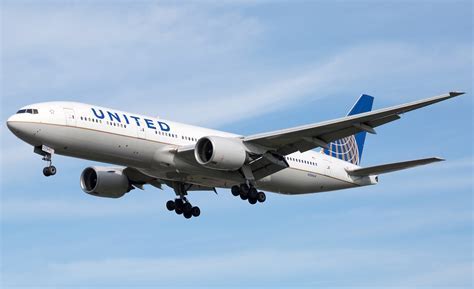
The first Boeing 777 variant, the 777-200, was delivered to United Airlines in 1995. It quickly became a game-changer, offering exceptional fuel efficiency, high payload, and extended range capabilities. Boeing expanded the family with the 777-200ER, 777-300, 777-200LR, 777-300ER, and the freighter-focused 777F. Over 1,700 aircraft have been delivered to more than 70 operators worldwide.
Scrapping Begins: Why Airlines Retire the 777
Aircraft retirement is a complex decision driven by economics, efficiency, regulations, and technological advances. While many 777s remain in active service, over 131 Boeing 777s have been scrapped as of mid-2025. The bulk of retirements consist of earlier builds like the 777-200 and 777-200ER.
When an aircraft reaches the end of its viable service life, it may be sold to secondary operators, converted to freighters, or cannibalized for parts. Eventually, the airframe is dismantled and recycled. Airlines increasingly prioritize newer aircraft with lower emissions, improved fuel burn, and modern cabin experiences, pushing older 777s toward retirement.
Breakdown of Scrapped Boeing 777s by Variant
The scrapped 777s by variant, according to ch-aviation data:
- 777-200: 44 scrapped
- 777-200ER: 59 scrapped
- 777-200LR: 5 scrapped
- 777-300: 8 scrapped
- 777-300ER: 15 scrapped
These numbers reflect a natural aging process. The 777-200 and 200ER were among the earliest models delivered in the mid to late 1990s. After decades of service, their retirement aligns with typical widebody life cycles.
A Look at the First Retired 777: British Airways’ G-ZZZE
The first Boeing 777 to be retired was G-ZZZE, delivered to British Airways in January 1996. Surprisingly, it was withdrawn from service in just six and a half years by June 2002 and returned to Boeing. Later repainted for Varig Brazil under registration PP-VRD, it operated briefly before being flown to Walnut Ridge Airport, Arkansas, for disassembly.
Initially, only wings and components were removed. The fuselage remained intact for a period—serving as a quiet testament to the aircraft’s once-revolutionary presence.
The Aging of the Fleet: From Innovation to Obsolescence
In the early 2000s, the 777-200ER became a transoceanic workhorse. It was widely used for Europe–Asia and transatlantic routes. However, newer widebodies like the 787 Dreamliner and Airbus A350 now offer superior fuel efficiency and advanced materials, making older models less competitive.
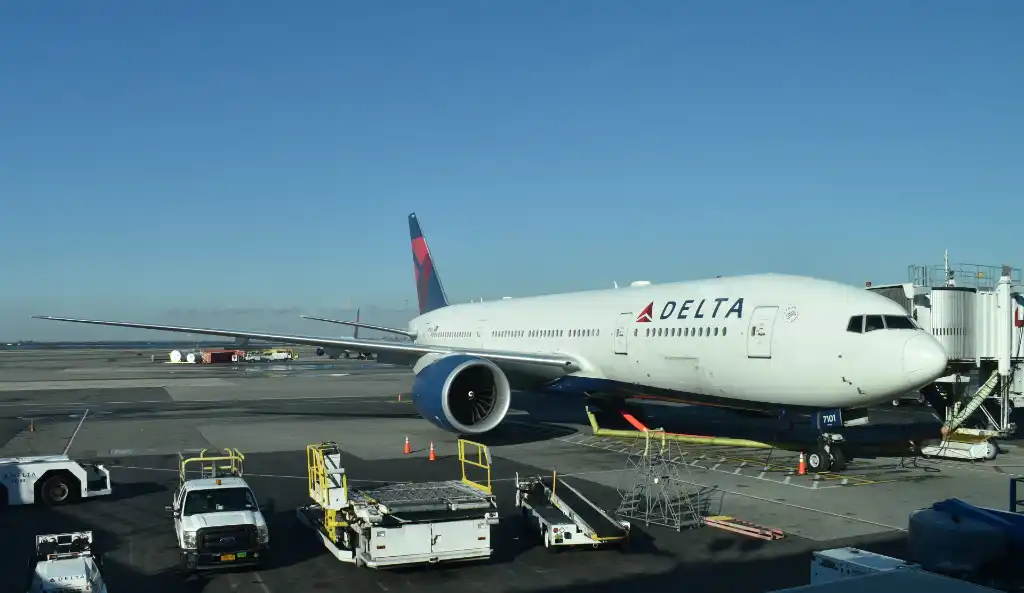
By 2020, the COVID-19 pandemic accelerated fleet restructuring. Carriers like Delta Air Lines retired all 777-200ERs, while Japan Airlines phased out both 777-200ER and began winding down 777-300ER operations. The trend was clear: modernization was the new imperative.
Active 777s: Still a Workhorse, But Evolving
Despite the scrapping figures, the Boeing 777 remains active. As of mid-2025, more than 1,200 aircraft are still flying. These include:
- 777-200: 19 in service
- 777-200ER: 221 in service
- 777-200F (Freighter): 238 in service
- 777-200LR: 41 in service
- 777-300: 31 in service
- 777-300ER: 709 in service
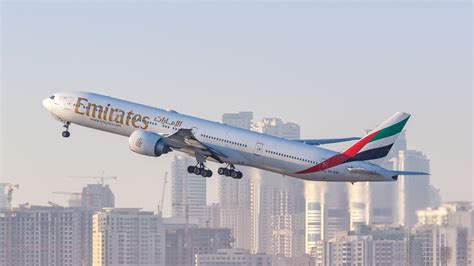
United Airlines still operates 17 of the original 777-200s. For the 777-200ER, major operators include United (49), American Airlines (47), and British Airways (39). The 777-300ER remains the dominant model, especially with Emirates, who operates over 115 units.
Cargo Operators and the Rise of the Freighter Fleet
The 777 freighter has emerged as a vital asset in global logistics, particularly since the pandemic-induced surge in cargo demand. Major freight operators using the 777F include:
- FedEx
- Qatar Airways Cargo
- Lufthansa Cargo
- AeroLogic
- Air China Cargo
- Korean Air Cargo
The widebody’s payload capacity and extended range make it a preferred aircraft for long-haul freight routes. This ensures that, even as passenger variants are retired, the freighter model remains a key player.
Transitioning to the Future: The Boeing 777X
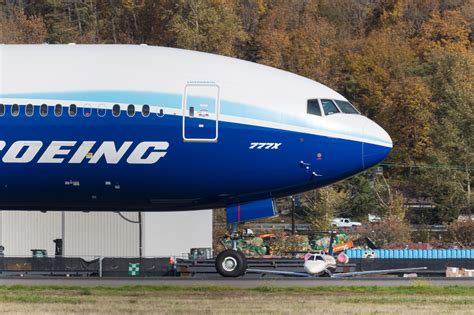
The next chapter in the 777 legacy is the Boeing 777X. It includes three variants: 777-8, 777-9, and the 777-8F (freighter). These offer substantial improvements:
- 10% lower fuel consumption compared to 777-300ER
- GE9X engines with enhanced efficiency
- Composite wings with folding wingtips
- Updated cabin interior with larger windows, improved humidity, and reduced cabin noise
Launch customers such as Emirates, Qatar Airways, Lufthansa, British Airways, and Singapore Airlines have already placed firm orders. However, delays in certification—pushed from 2020 to potentially 2026—have complicated airline replacement strategies.
777X Delays: Extending the Lifespan of Aging 777s
The delayed entry into service for the 777X has led some carriers to extend the operational lifespan of older 777s. Airlines simply cannot afford to cut capacity while waiting for newer jets.
Boeing has encountered technical challenges, stricter regulatory scrutiny post-737 MAX crisis, and global supply chain constraints. This has impacted fleet renewal plans across major international carriers.
In the interim, carriers like Emirates are opting for interior refurbishments. The airline is retrofitting several 777-300ERs with upgraded cabin products, signaling intent to keep them flying for years to come.
The Outlook for 777 Disassembly and Recycling
Disassembly remains a key end-of-life option for earlier models. With over 130 scrapped and more reaching the twilight of their economic life, this trend is expected to continue. Aircraft are dismantled for parts including engines, landing gear, avionics, and interiors. The remaining airframe—mostly aluminum—is recycled.
Yet, the Boeing 777 is far from disappearing. It continues to underpin long-haul networks globally. The program’s next phase, led by the 777X, ensures that the Triple Seven’s legacy will stretch well into the 2040s.
Conclusion: A Legacy in Transition
The Boeing 777’s story is not just about how many have been scrapped—it’s about evolution. From a trailblazing widebody in the 1990s to a workhorse of global aviation in the 2020s, the 777 has left an indelible mark. Its newer iterations continue to serve in critical roles, and its freighters remain vital to global supply chains.
With the arrival of the 777X on the horizon, the 777 family is preparing to write a new chapter—one rooted in innovation, sustainability, and unmatched range.