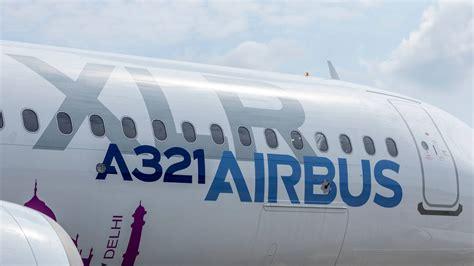
The Airbus A321XLR represents a critical leap forward in the evolution of single-aisle aircraft, offering unparalleled range, efficiency, and versatility. Built upon the success of the A321neo platform, the XLR variant redefines long-haul operations with a narrowbody footprint—unlocking new potential for global connectivity and airline profitability.
The Strategic Significance of the Airbus A321XLR
What sets the A321XLR apart is its ability to fly up to 4,700 nautical miles (8,700 km), a distance once reserved exclusively for widebody aircraft. This capability enables airlines to link secondary cities directly, bypassing traditional hubs and reducing travel time for passengers. In an era where fuel economy and network flexibility are more important than ever, the A321XLR delivers an optimal balance between range and cost-efficiency.
Its extended fuel tanks and reinforced landing gear, along with aerodynamic enhancements, allow it to operate long-haul missions economically. Airlines now have the freedom to explore thinner routes—where demand doesn’t justify a larger aircraft—without compromising on reach or reliability.
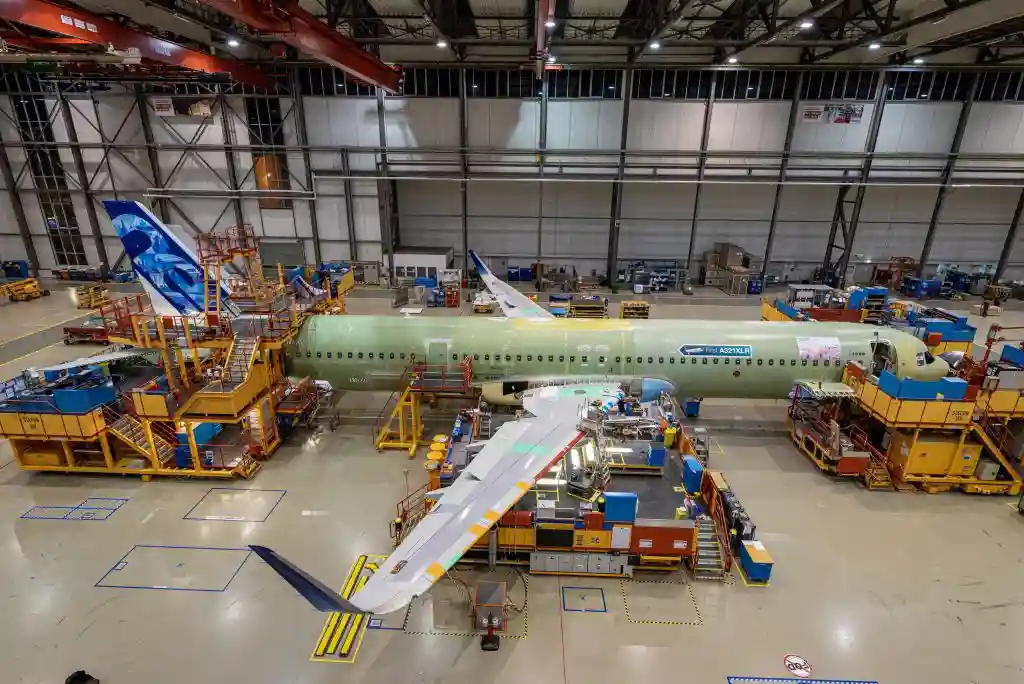
Production Milestone: 26 Aircraft Built So Far
As of December 2025, Airbus has completed production on 26 A321XLR aircraft, a modest but strategic number that reflects the program’s early phase and methodical rollout. This figure includes both test aircraft and commercial units delivered to customer airlines. All aircraft built to date belong to the A321-200NY (XLR) configuration, featuring structural enhancements to accommodate extra fuel and longer flight cycles.
The controlled pace of production underscores Airbus’ emphasis on safety, certification compliance, and design refinement. This deliberate approach ensures that the A321XLR enters service with a high degree of confidence and operational reliability, allowing for a smoother scaling of deliveries and global deployment.
Certification Program: The Backbone of Reliability
Three A321XLR units are currently dedicated to Airbus’ test and certification fleet, registered under the call signs F-WXLR, F-WWBZ, and F-WWAB. These aircraft play a crucial role in the model’s rigorous testing program, simulating a range of conditions that include:
- High-altitude airport operations
- Extended flight endurance
- Emergency scenarios and avionics stress testing
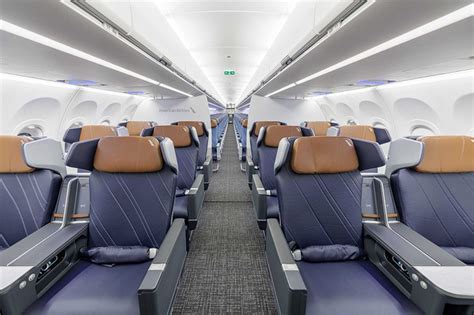
- Cabin configuration validation under real-world conditions
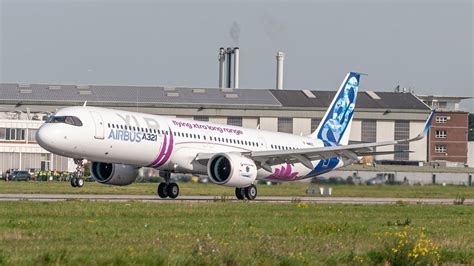
The hundreds of test hours logged by these units form the basis for final certification with aviation authorities such as EASA and FAA. Without these foundational trials, the launch of the A321XLR would not be possible.
Deliveries to Commercial Operators: 23 Aircraft in Airline Hands
Out of the 26 aircraft built so far, 23 have been delivered to commercial airlines, signifying the beginning of the A321XLR’s real-world application. These aircraft are now either in service or undergoing final preparations for launch. Delivery has been focused on major markets in Europe, North America, and Australia, a strategy that ensures global visibility and diversified use-case scenarios.
Early deliveries allow Airbus to observe operational behaviors in different regulatory and climatic environments, which feeds back into future production and software updates. Each unit delivered also represents a transfer of technical trust from Airbus to the airline—a commitment that is both commercial and reputational.
Airlines Operating the A321XLR: A Global Coalition
The current group of A321XLR operators reflects a balanced mix of full-service and low-cost carriers, showcasing the aircraft’s adaptability across business models. As of December 2025, the following airlines are actively integrating or operating the type:
- Iberia – 6 aircraft
- Aer Lingus – 5 aircraft
- Wizz Air (UK & Malta) – 6 aircraft
- American Airlines – 3 aircraft
- Qantas – 3 aircraft
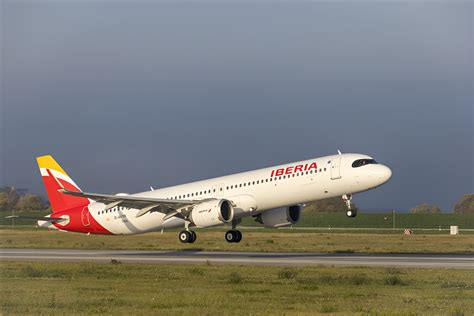
These airlines are already deploying the aircraft on routes such as:
- Dublin to Philadelphia (Aer Lingus)
- Madrid to Boston (Iberia)
- Melbourne to Jakarta (Qantas)
- London Luton to Dubai (Wizz Air)
Each of these routes demonstrates the aircraft’s ability to connect long-haul destinations without requiring widebody economics. For instance, American Airlines uses the A321XLR to replace aging Boeing 757s, while Wizz Air leverages its fuel efficiency to penetrate underserved long-distance markets in the Middle East and Central Asia.
Operational Status: A Young But Active Fleet
While the majority of the current A321XLR fleet is classified as active, several units remain in transitional stages. These include:
- Aircraft undergoing crew training
- Units reserved for route launch calibration
- Aircraft listed as stored, awaiting regulatory alignment or airport readiness
This range of statuses is normal for a new aircraft program, especially one as technically advanced and strategically crucial as the A321XLR. Airlines must develop maintenance capabilities, retrain pilots, and restructure their route networks to fully capitalize on the aircraft’s capabilities.
Over the next 12–18 months, these transitional statuses are expected to fade as airlines ramp up utilization and as infrastructure catches up with fleet deployment.
What the Numbers Reveal: A New Era Takes Off
At a glance, 26 units may seem small. However, for a high-performance new aircraft category, this initial production wave is monumental. It indicates that Airbus is on schedule, that airlines are receiving and integrating the aircraft as planned, and that the model is already proving its commercial and operational value.
These early figures allow Airbus to assess the maturity of the production line, iron out bottlenecks, and validate logistics before scaling up. They also provide real-world performance data on key metrics such as fuel efficiency, turnaround time, and customer satisfaction, which will influence the next generation of narrowbody aircraft.
Looking Ahead: A321XLR’s Role in Future Aviation
The A321XLR is positioned to redefine how airlines think about long-haul travel. By eliminating the need for widebodies on many intercontinental routes, it enables new direct connections that were previously uneconomical. This holds significant implications for:
- Airport congestion: More flights can originate from smaller hubs
- Fleet planning: Airlines gain more flexibility in route deployment
- Environmental strategy: Reduced emissions per seat-mile
The rise of the A321XLR also marks a cultural shift within the aviation industry. Aircraft size is no longer the primary determinant of capability. Range, efficiency, and adaptability now take precedence—and the A321XLR delivers on all three fronts.
Final Thoughts: A Symbol of Strategic Evolution
The current fleet size of 26 built and 23 delivered A321XLRs represents far more than a numerical milestone. It is a symbol of transition: from hub-and-spoke to point-to-point, from legacy widebodies to advanced single-aisle solutions, and from reactive network planning to proactive route creation. As more units roll out and take to the skies, the A321XLR is destined to reshape aviation economics, passenger expectations, and airline strategies.
Its entry into service marks the dawn of a new chapter in aviation—where range meets efficiency, and ambition meets execution. With airlines already reaping early benefits and Airbus fine-tuning its delivery pipelines, the A321XLR is not just a new aircraft—it is the future of long-haul travel, now taking shape.