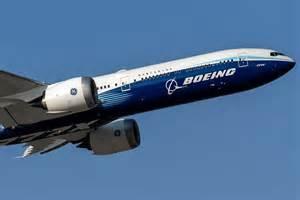
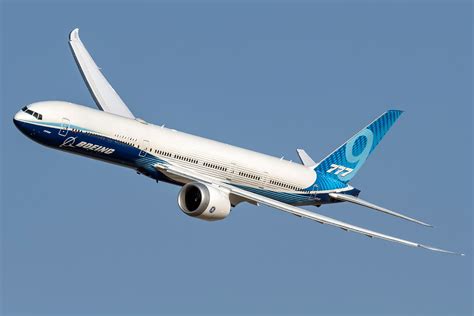
The Boeing 777X program has become a symbol of both ambition and adversity in the modern aerospace industry. Touted as the world’s largest twin-engine commercial aircraft, the 777X is designed to push the limits of range, efficiency, and passenger capacity. However, despite its technological promise, the aircraft’s journey to certification and commercial service has been marred by prolonged delays, engineering hiccups, and strategic delivery decisions that have puzzled many in the aviation world.
Boeing’s Growing Inventory: 777Xs Waiting on the Ground
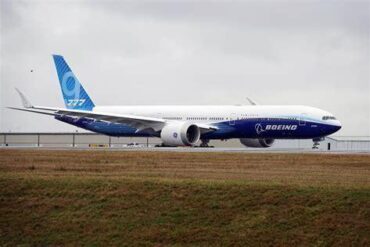
Even without certification, Boeing has amassed a fleet of at least 26 fully assembled 777X aircraft, with satellite imagery from Paine Field suggesting that the true number may be closer to 32 completed airframes, each one resting on closed taxiways, former runways, and even converted parking lots.
The decision to preemptively manufacture such a significant quantity of these aircraft before receiving final FAA approval is not unprecedented. Boeing previously adopted a similar tactic during the 787 Dreamliner certification phase. The logic behind this is twofold:
- Operational Efficiency – Producing aircraft ahead of certification can drastically reduce customer wait times post-approval.
- Cost Control – With existing infrastructure and supply chain momentum, halting production completely would likely incur steeper costs than continuing at a low rate.
These aircraft—spanning from testbeds like N779XW to those closer to delivery configurations—represent years of capital and engineering effort, but they won’t be the first to carry paying passengers.
Certification Delays and Shifting Standards
The FAA certification process for the 777X, originally forecasted for 2020, is now expected no earlier than 2027, a staggering seven-year delay. During this period, Boeing has been forced to modify its internal processes, design specifications, and even corporate philosophy following high-profile incidents involving the 737 MAX.
A pivotal moment occurred in 2024 when Boeing discovered faulty thrust links—critical components transferring load between the engine and wing—on one of its 777X test aircraft. This incident prompted a four-month grounding of the test fleet and a redesign of the thrust link system.
Aircraft built before this discovery are now considered to be below the latest production standard, requiring retrofitting. Those manufactured after the update integrate the new design directly on the assembly line. It’s this evolution in build standard that defines why newer 777Xs will be delivered before older ones, even if they’ve been parked for years.
Boeing’s Last-In, First-Out Delivery Strategy
At the 2025 Dubai Airshow, Boeing Vice President of Commercial Marketing, Darren Hulst, confirmed that the first deliveries will come from the newest aircraft, not the earliest-built units. This reversal of expectations highlights Boeing’s intent to prioritize aircraft built to the latest certified configuration.
Hulst explained:
“Some of the airplanes that we’re building today will be the first to actually deliver because they’re up to the new production standard… Some of the airplanes that we’ve built in the past… will go through some change incorporation to make sure they’re all with the delivery standard.”
This strategy allows for smoother entry into service, minimizing disruptions for launch customers like Lufthansa, which holds 27 firm orders and 14 options. Retrofits, while manageable, consume time and resources—something Boeing cannot afford in the high-stakes race to restore its reputation and regain customer trust.
Logistics of Storing Uncertified Widebodies
Storing such massive, sensitive machines is no small task. Boeing’s facilities at Paine Field and Boeing Field are now home to dozens of parked 777X airframes, their gleaming fuselages and folded wingtips a testament to deferred ambition.
These jets, some dating back to early 2019, have been maintained under strict preservation procedures. However, aging aircraft—even unused—face risks: corrosion, environmental wear, and system degradation. While the airframes are expected to remain airworthy, each month in storage adds to the retrofit workload required to bring them up to current certification standards.
A Legacy of Setbacks: The Path to 2027
The 777X program has not just been slowed by technical issues but by an amalgamation of crises:
- COVID-19 pandemic disruptions halting global air travel and production.
- 737 MAX tragedies, which put Boeing under unprecedented regulatory and media scrutiny.
- Engine issues with GE9X, the only engine option for the 777X, which led to pauses in flight testing.
- Cultural and procedural overhaul demands from both regulators and the public.
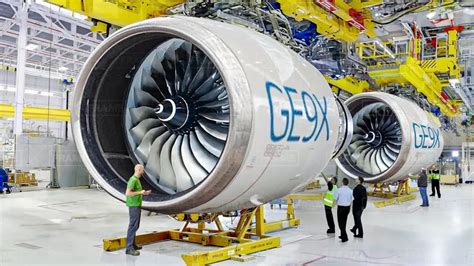
Each of these factors incrementally pushed the program further from its initial 2020 delivery goal. Boeing’s response has involved incremental certification milestones, redesigns, and a carefully managed public relations effort to reset expectations.
Strategic Patience: The Benefits of Delaying Early Deliveries
Choosing to delay the delivery of earlier-built aircraft in favor of more recent builds offers Boeing tangible advantages:
- Operational Simplicity for Airlines – Launch customers receive aircraft that require minimal retrofitting and are ready for immediate integration.
- Faster Ramp-Up Post-Certification – With newer units closer to delivery standard, Boeing can meet early delivery targets more confidently.
- Regulatory Assurance – Demonstrates to regulators that Boeing is serious about aligning every aircraft with the latest certified standard, rather than cutting corners for the sake of expediency.
This method also protects Boeing’s long-term brand perception, as smoother initial service entries could rebuild trust in Boeing’s widebody programs.
Who Will Receive the First 777Xs?
Despite not receiving the very first unit off the line, Lufthansa is still set to be the launch customer. Boeing aims to commence deliveries at a rate of 3 to 5 aircraft per month, with early units heading to:
- Emirates (270 orders)
- Qatar Airways (124 orders)
- Cathay Pacific (35 orders)
- Singapore Airlines (31 orders)
In total, 14 commercial and cargo carriers have placed orders for the 777X. Once certification is secured, these customers are expected to receive aircraft that represent the final production standard, not early test models or pre-standard variants.
Final Thoughts: An Aircraft Worth the Wait?
While Boeing’s 777X delays have been frustrating for customers and costly for the manufacturer, they may ultimately serve the broader goal of long-term success. By delivering only aircraft that meet the highest standards, Boeing is attempting to avoid the pitfalls that plagued the 737 MAX rollout.
The 777X, once airborne in commercial service, promises significant gains in fuel efficiency, lower emissions, and improved passenger comfort. It is expected to replace iconic aircraft like the 747-400, 747-8, and A340, offering a next-generation alternative that suits today’s operational and environmental needs.
As of now, the aircraft built years ago will wait a little longer. Their time will come—but not before Boeing ensures that every bolt, wire, and rivet aligns with the latest standard of excellence.
In the skies of tomorrow, it’s not about who was built first—it’s about who’s ready.