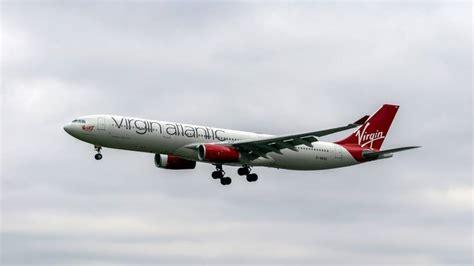
The commercial aviation world loves a clean break with the past. New programs arrive with sharper composites, smarter avionics, and breathless promises of double-digit efficiency gains. Against that backdrop, logic says an aircraft conceived in the late Cold War should be edging toward the museum. The Airbus A330 refuses to cooperate with that script. Instead of fading quietly, it keeps adding chapters—new operators, new missions, and a thoroughly modern successor that looks suspiciously like a continuation rather than a replacement.
What keeps the A330 relevant is not nostalgia. It is economics, operational realism, and a design that landed in a sweet spot airlines still need. While ultra-long-range widebodies chase the thinnest global routes and narrowbodies stretch their legs across oceans, the bulk of global flying still lives in the middle. That middle is exactly where the A330 has always been most comfortable.
Airlines, less romantic than commentators, have voted with balance sheets and fleet plans. The A330 keeps winning because it does not force carriers to overbuy capability, overtrain crews, or overexpose themselves to risk. Its persistence is not an accident. It is the outcome of a design philosophy that aged unusually well.
A Widebody Born for Practicality, Not Hype
The A330 emerged from a period when Airbus was learning how to out-think, not out-muscle, its competition. Conceived alongside the four-engine A340, the A330 was the pragmatic twin—built to deliver long-haul capability without the operating penalties of extra engines. It inherited the A300’s robust DNA but stepped decisively into the digital age with a fly-by-wire cockpit, commonality with the A320 family, and aerodynamics optimized for efficiency rather than spectacle.
From its first flight in 1992 to entry into service in 1994, the A330 was shaped by airline reality. Carriers wanted a widebody that could fly long routes one day and dense regional missions the next, without demanding a different crew pool or maintenance philosophy. The A330-300 provided capacity; the later A330-200 delivered range. Together, they formed a flexible pair that airlines could mix and match as networks evolved.
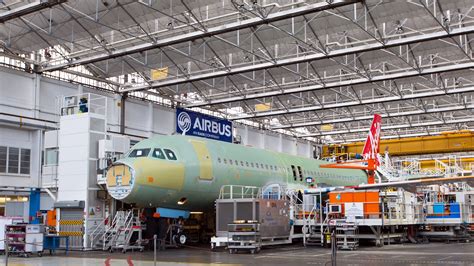
That flexibility paid dividends as ETOPS approvals expanded. Routes once reserved for tri-jets and quad-jets suddenly opened to a twin that burned less fuel and required less maintenance. Dispatch reliability climbed. Cargo capability impressed planners. Over time, the A330 stopped being “a choice” and became a baseline solution for medium- to long-haul flying.
Longevity Built on a Mature Airframe
One reason the A330 refuses retirement is structural honesty. This is an aircraft designed before extreme weight-saving became a religion, and that conservatism has aged well. The airframe tolerates high cycles, heavy cargo loads, and repeated mission changes with minimal drama. That matters in a world where aircraft are expected to do more with less downtime.
As fleets matured through the 2000s and 2010s, the A330 quietly diversified. Passenger aircraft became freighters. Others transformed into military tankers, VIP transports, and special-mission platforms. Very few commercial airframes adapt so easily to radically different roles. That adaptability is a strong signal to airlines that the investment will not paint them into a corner.
Airbus noticed. Instead of abandoning the platform, it refined it.
The A330neo: Evolution That Actually Matters
The launch of the A330neo was not an act of desperation; it was a calculated move. Airbus already had the A350 for long-range, high-end missions. What the market still needed was a mid-sized widebody that delivered modern efficiency without the cost and complexity of an all-new aircraft.
The result was the A330-800 and A330-900, sharing roughly 95% commonality with earlier variants. That statistic matters more than it sounds. It means existing operators could transition with minimal retraining, spare-parts disruption, or maintenance overhaul. For airlines, that is not just convenient—it is financially decisive.
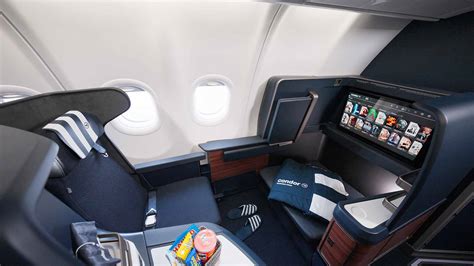
The improvements are targeted and meaningful. New sharklets inspired by the A350 reduce drag. Systems refinements squeeze incremental efficiency gains out of a proven design. Most importantly, the aircraft receives a single, optimized powerplant that redefines its performance envelope.
Rolls-Royce Trent 7000: The Engine That Changed the Equation
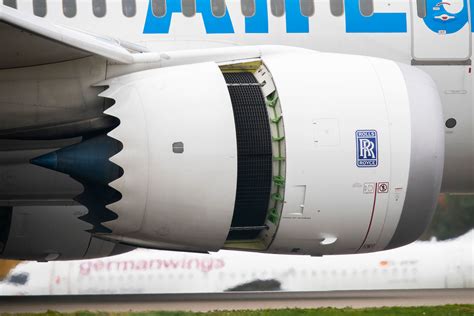
The Rolls-Royce Trent 7000 is the A330neo’s quiet enabler. Derived from the Trent family that powers the 787, it brings a 10:1 bypass ratio, advanced materials, and electronic bleed-air control to a platform that already knew how to extract value from good engines.
This is not just about fuel burn, though the gains are substantial. The Trent 7000 delivers improved efficiency at lower power settings, making it especially effective on medium-haul sectors where engines spend more time away from cruise. Maintenance intervals stretch further. Dispatch reliability sits at an airline-pleasing 99.9%, with no in-flight shutdowns recorded in service.
For operators, that translates into fewer surprises, tighter schedules, and lower lifecycle costs. Reliability, boring as it sounds, is often the decisive factor in fleet planning. The A330neo earns its keep by being predictable in the best possible way.
Performance Where Airlines Actually Fly
The A330neo does not pretend to replace the longest-legged widebodies. Instead, it dominates the routes most airlines actually operate. With a range exceeding 8,000 nautical miles on the A330-900, it comfortably handles transcontinental, transatlantic, and high-density Asia-Pacific missions without dragging excess structural weight along for the ride.
Compared to older widebodies it often replaces, the A330neo offers double-digit fuel-burn reductions and significantly lower emissions. Against competitors like the Boeing 767-300ER and even legacy 777 variants, the economics are unambiguous. More payload, longer range, and lower cost per seat combine into a compelling package for airlines focused on margins rather than marketing slogans.
This balance explains why the aircraft fits so neatly into right-sizing strategies. Airlines can deploy it on thinner long-haul routes without risking overcapacity, or pack it densely for high-volume regional flying. Very few widebodies pivot so easily between those extremes.
Cabin Design That Passengers Actually Notice
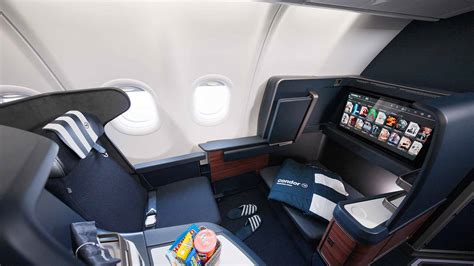
Operational economics matter to airlines, but passengers vote with their feet—and their reviews. The A330neo’s cabin borrows heavily from the A350’s design language, and that is a compliment. Wider aisles, higher ceilings, and improved lighting create a sense of space that belies the aircraft’s age.
The real magic, however, is in the 2-4-2 economy layout. On most A330neo configurations, three-quarters of passengers avoid the middle seat entirely. Seat widths around 18 inches compare favorably with newer widebodies that squeeze more passengers across the cabin. For travelers, this difference is tangible, not theoretical.
At the other end of the spectrum, airlines chasing volume can reconfigure the cabin into high-density layouts without structural compromise. Operators like Cebu Pacific have demonstrated how the A330neo can thrive as an all-economy people-mover, proving that comfort and capacity are not mutually exclusive on this platform.
Fleet Commonality: The Silent Cost Killer
One of the A330 family’s most underestimated strengths is cockpit commonality. Pilots transitioning from A330ceo to A330neo face minimal additional training. Maintenance crews already understand the airframe. Spare parts inventories remain largely relevant. For airlines managing multiple fleet types, these savings compound quietly but powerfully over time.
This is where newer aircraft sometimes struggle. Revolutionary designs often demand revolutionary changes to training pipelines, support infrastructure, and operational planning. The A330neo offers modern performance without that disruption. In an industry allergic to unnecessary risk, that matters.
Asia-Pacific and the Geography of Demand
The A330neo’s future is tightly linked to geography. Nowhere is its value proposition clearer than the Asia-Pacific region, where route lengths, passenger demographics, and economic conditions vary wildly. From premium-heavy routes connecting financial hubs to high-density services linking emerging markets, the region demands flexibility above all else.
The A330neo delivers that flexibility. It can serve long-haul routes into Europe or Australia one week, then pivot to regional trunk routes the next. Its economics make sense for carriers still building networks, while its cabin quality satisfies airlines competing at the premium end of the market.
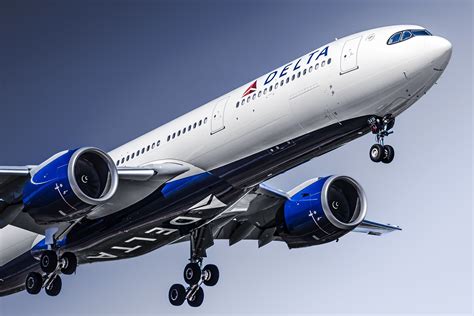
Airbus understands this dynamic well, and it shows in how the A330neo is positioned. This is not a stopgap aircraft. It is a tailored solution for regions where growth is uneven, demand is volatile, and adaptability is a competitive advantage.
Why Retirement Keeps Getting Postponed
Aircraft retire when they become liabilities. The A330 has stubbornly avoided that fate by remaining useful, adaptable, and economically rational. Older A330ceo aircraft continue to find second lives as freighters and special-mission platforms. Meanwhile, the A330neo ensures that the family remains relevant in frontline passenger service.
Timing also plays a role. Many A330ceo airframes are only now approaching the 20-year mark, precisely when airlines begin evaluating replacement options. The existence of a modernized, familiar successor simplifies that decision. Instead of jumping to a completely different aircraft category, operators can stay within the A330 ecosystem.
That continuity is rare in commercial aviation. It explains why the A330 is not fading out, but quietly extending its relevance into the 2030s.
A Widebody That Refuses to Be Obsolete
The story of the Airbus A330 is not about clinging to the past. It is about a design that landed close enough to perfection that it could evolve rather than disappear. The A330neo does not shout about revolution. It delivers measured progress, exactly where airlines need it.
In an industry obsessed with the next big thing, the A330’s endurance is a reminder that the best aircraft are not always the most radical. Sometimes they are the ones that keep showing up, keep earning their keep, and keep making sense long after the headlines move on.