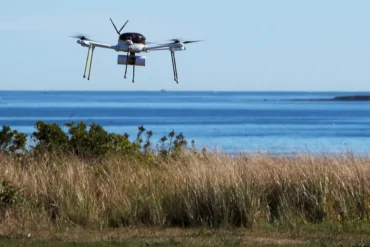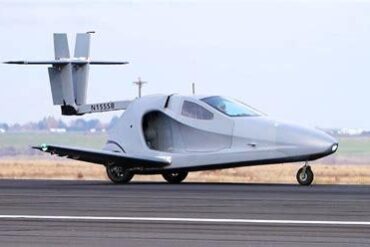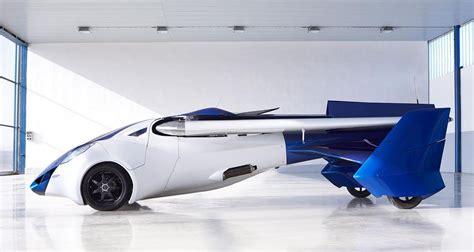
The idea of flying cars has been a fixture in science fiction for more than a century, with many stories painting a future where vehicles soar above the ground, offering unprecedented mobility. However, as we approach the mid-21st century, what once seemed like a fantasy could soon become reality. Today, multiple companies and aerospace engineers are making significant strides toward turning the dream of aerial automobiles into a functional aspect of daily life. The technology to create these vehicles already exists, and prototypes have already taken to the skies.
The Technology Behind Flying Cars
Flying cars, in their most basic form, are envisioned to combine the capabilities of both airplanes and helicopters. Most designs aim for vertical takeoff and landing (VTOL), a feature that would allow these vehicles to take off without the need for a traditional runway. Unlike airplanes, which require large open spaces for takeoff and landing, flying cars would use rotating blades to generate lift similar to helicopters. Once in the air, the wings of the vehicle would rotate out from the body, reducing air resistance and allowing it to function more like an airplane.
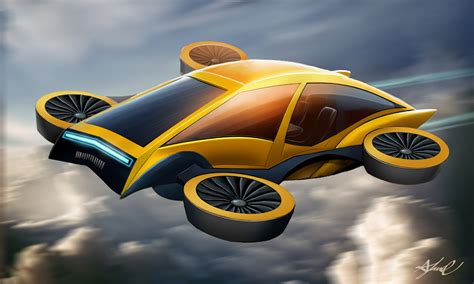
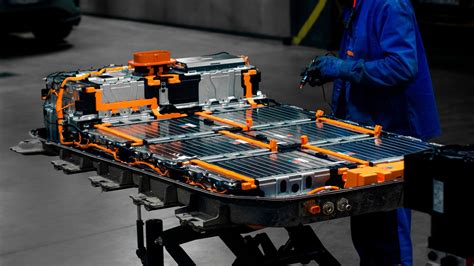
One of the primary challenges in developing these vehicles is the power source. Like electric cars, many flying cars are expected to be powered by electric engines and lithium-ion batteries. However, this presents an issue in terms of energy density. While electric cars can get by with relatively heavy batteries, flying cars need much more power, particularly during takeoff. At present, most electric batteries would only be able to power a flying car for 20 to 30 minutes. This limited range makes it crucial for engineers to develop lightweight and high-capacity batteries to increase the flight time before the need to recharge.
Designs and Prototypes of Flying Cars
The development of flying cars has already passed the stage of conceptual designs. Several companies have already developed prototypes that have successfully demonstrated vertical takeoff and landing (VTOL) capabilities. For example, Joby Aviation, a leader in the field, has created an electric aircraft that could one day be used as a flying taxi. These vehicles are not designed to look like traditional cars; instead, they resemble a hybrid of a helicopter and an airplane, with rotating blades for vertical lift and wings for horizontal flight once airborne.
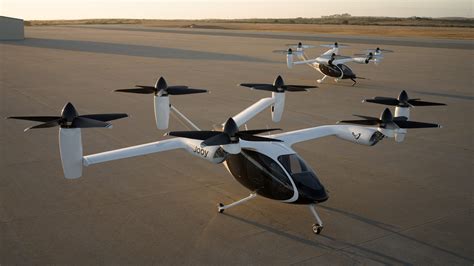
One potential option for these vehicles is the hybrid design, which would combine propellers and rotating wings. The wings would initially be tilted upward to allow for lift, and once the vehicle reaches a certain altitude, the wings would flatten out, allowing it to cruise more efficiently, like a traditional airplane. This design, while sounding unconventional, could pave the way for a future where flying cars are not just a mode of transportation but a revolutionary change to how we travel.
The Challenge of Affordability and Accessibility
While the prospect of flying cars is incredibly exciting, the cost remains a major barrier. Companies such as Alef Aeronautics are aiming to bring personal flying cars to market, with an estimated price tag of around $300,000 per unit. This price point makes it clear that flying cars will likely be out of reach for the majority of the population. However, there is a potential solution: rideshare services for flying cars. Much like Uber or Lyft, these services would offer passengers the ability to book a flight in a flying car at a significantly reduced cost compared to owning one. This could make aerial transport more accessible to the masses, with some predicting that flying taxis could become as commonplace as ride-sharing cars within the next 10 to 20 years.
Regulatory Hurdles and Safety Considerations
Before flying cars can become a widespread mode of transport, significant regulatory and safety challenges must be addressed. The Federal Aviation Administration (FAA) has already started the process of creating regulations for flying cars and air taxis. However, these rules are still in their infancy, and more testing is needed to ensure the safety of passengers and pedestrians alike. One of the most critical aspects of this development is the reliability of battery technology. While electric vehicles have become a common part of road transport, flying cars require a far higher energy output, especially during takeoff. As mentioned earlier, current battery technology limits flight time to just 20 to 30 minutes, but experts like Xiaosong Du, an aerospace engineer at Missouri University of Science and Technology, are working to improve battery efficiency.
The Road Ahead for Flying Cars
Despite the challenges, the future of flying cars looks increasingly promising. With advancements in electric propulsion, battery technology, and aerodynamics, these vehicles could soon become a regular part of our transportation infrastructure. Whether as a personal vehicle or part of an air taxi network, flying cars have the potential to revolutionize the way we think about mobility.
In conclusion, while flying cars are not yet a widespread reality, the technological advancements in aerospace engineering, battery development, and aircraft safety have set the stage for this futuristic mode of transport. As companies continue to test prototypes and as the FAA works on regulatory frameworks, it is only a matter of time before we see flying cars in the skies above us.