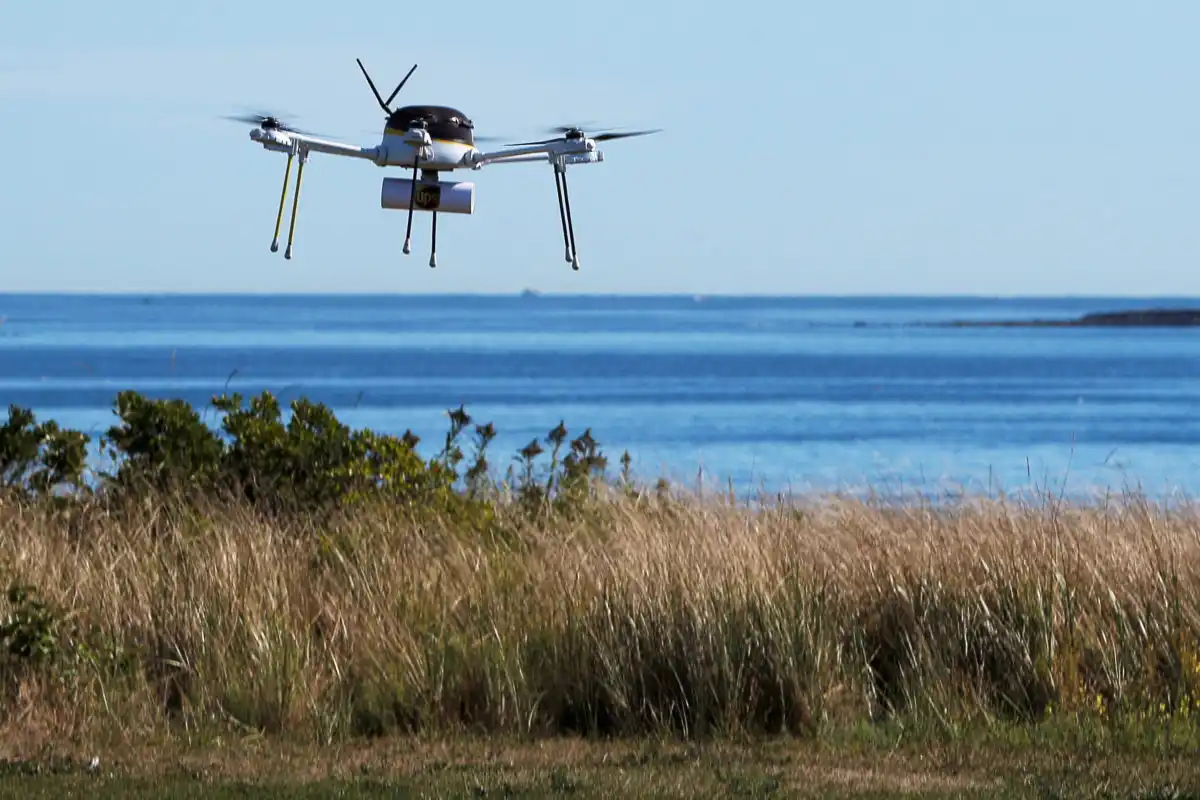
In a bold move to modernize U.S. airspace policy and address growing national security threats, President Donald Trump signed three executive orders that significantly reshape the regulatory framework for drones, supersonic aircraft, and emerging air mobility technologies such as flying cars. The sweeping initiative reflects the administration’s dual agenda: tightening aerial security amid global drone warfare concerns while opening the skies to innovation in high-speed travel and urban aviation.
Bolstering Airspace Security Amid Drone Threats
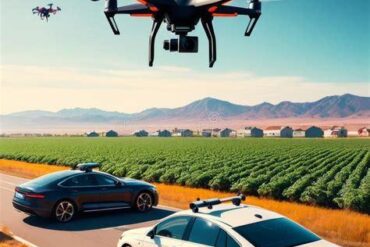
The proliferation of drones has transformed industries — from agriculture and infrastructure to logistics and emergency response. However, their expanding presence also poses escalating risks. Citing concerns over terrorism, espionage, drug trafficking, and aerial collisions, the Trump administration unveiled strict new measures aimed at reclaiming control of U.S. skies.
“We have a responsibility to protect and restore airspace sovereignty,” said Michael Kratsios, White House Office of Science and Technology Policy Director, highlighting the mounting drone-related incidents near airports and sensitive facilities.
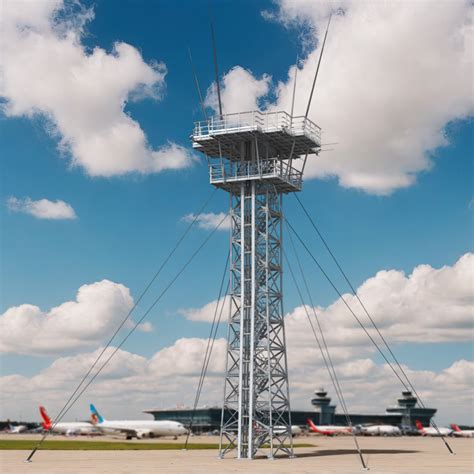
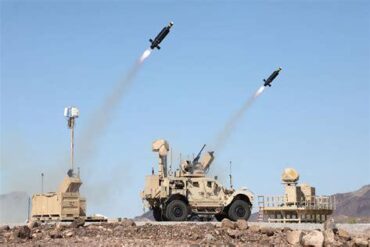
The orders call on the Federal Aviation Administration (FAA) to swiftly finalize rules restricting drone operations near critical infrastructure and large public venues — a strategic concern as the U.S. prepares to host international events like the World Cup and Olympics. The FAA is currently testing counter-drone systems using techniques such as radio jamming, directed microwaves, and high-energy lasers to incapacitate unauthorized drones.
In coordination with the Departments of Justice and Homeland Security, the orders authorize enhanced enforcement mechanisms and training for state and local authorities, enabling rapid response to drone threats. Existing federal counterterrorism task forces will now integrate drone mitigation into their operational planning.
“Drones are a disruptive technology. They have potential for both good and ill,” noted Sebastian Gorka, National Security Council Senior Director. “We will target both the evildoers and the clueless.”
The Ukrainian War’s Shadow: Military Drones as a Cautionary Tale
The conflict in Ukraine served as a stark warning. Commercial drones adapted for battlefield use have reshaped modern warfare, proving cost-effective and lethal. As similar tactics threaten to migrate into civilian contexts — particularly during mass gatherings — the White House is pushing for urgent countermeasures.
Espionage incidents, smuggling operations across the U.S.-Mexico border, and near-misses with airliners have illustrated just how vulnerable the national airspace can be without cohesive and modernized regulation.
Targeting Chinese Drone Dominance and Data Concerns
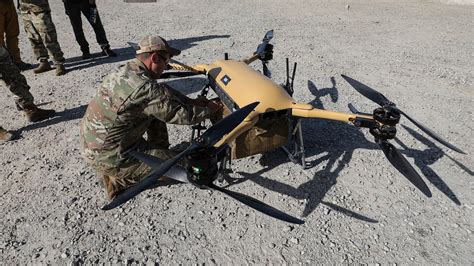
Although the new directives do not outright ban Chinese-made drones, the administration clearly signals its intent to reduce reliance on foreign devices, especially those manufactured by companies like DJI, which dominate the U.S. commercial drone market.
The policy prioritizes American-made drones in federal procurement and grants programs for first responders, while mandating national security reviews of certain Chinese manufacturers.
“This executive order marks a long-overdue investment in drone deterrence,” said Craig Singleton, a senior China fellow at the Foundation for Defense of Democracies. “Drone warfare isn’t a future threat — it’s already here.”
Tightening rules on wireless transmission will also hinder potential foreign surveillance by disrupting telemetry flows that could send data back to overseas servers — particularly to Beijing. Currently, at least six U.S. states have passed laws restricting public-sector purchases of Chinese drones, part of a broader legislative wave that includes over 240 anti-China technology measures.
Greenlighting Over-the-Horizon Drone Innovation
While enhancing security, the executive orders simultaneously push for drone innovation by urging the FAA to expand rules permitting drone flights beyond the operator’s visual line of sight (BVLOS). This is seen as essential for unleashing drones’ full commercial potential, including autonomous deliveries, utility inspections, and long-range surveillance.
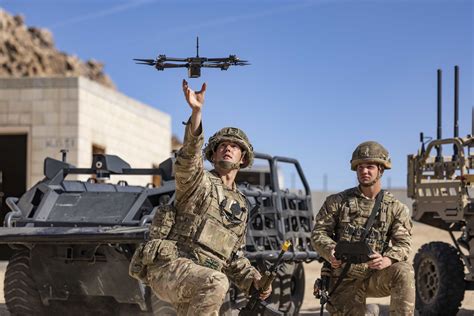
Previously limited to case-by-case waivers granted to companies like Amazon and major utilities, BVLOS operations now stand to become part of a standardized regulatory regime. The Association for Uncrewed Vehicle Systems International (AUVSI) hailed the move as a defining moment.
“This is a historic day for the drone industry in the United States,” said AUVSI CEO Michael Robbins. “We’re unlocking real scalability.”
Supersonic Flight Returns: Dismantling the Mach 1 Ban
Another core pillar of the executive action targets the resurrection of supersonic passenger flight. A decades-old FAA ban on flying faster than Mach 1 over land — imposed due to the disruptive sonic booms of early supersonic jets — will be replaced with a new noise-based standard that leverages today’s technological advances.
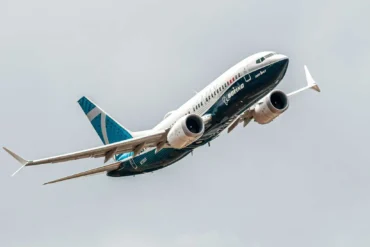
Aircraft such as Boom Supersonic’s Overture jet are already breaking sound barriers without causing sonic disruption on the ground. With the regulatory handcuffs removed, developers see an aviation renaissance on the horizon.
“Americans should be able to fly from New York to LA in under four hours,” said Kratsios, citing progress in material science, engine efficiency, and aerodynamic design.
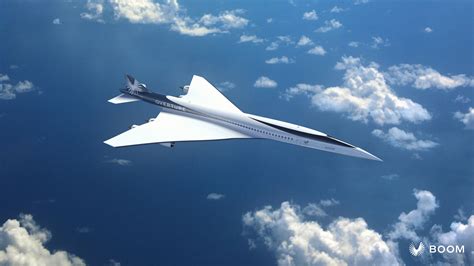
Blake Scholl, CEO of Boom Supersonic, praised the administration’s decision: “We’re grateful to President Trump for his leadership — this allows us to accelerate Overture’s path to market.”
Flying Cars: From Sci-Fi to American Skies
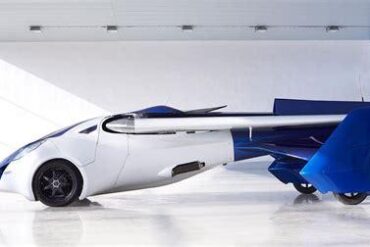
Perhaps the most futuristic — and potentially most disruptive — initiative in the orders concerns urban air mobility. Often considered the domain of science fiction, flying cars are rapidly becoming a tangible solution for urban congestion and short-range cargo transport.
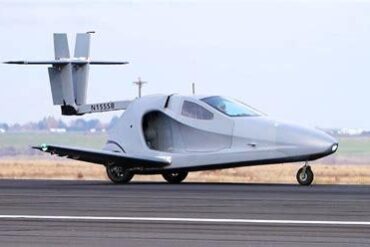
Multiple U.S. companies are prototyping electric vertical takeoff and landing (eVTOL) vehicles, with pilot programs already underway. Although regulatory and infrastructural hurdles remain, Trump’s orders remove key federal barriers that have stifled experimentation and certification.
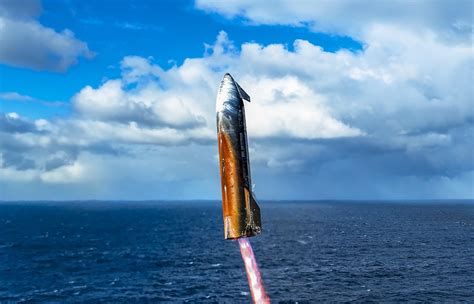
“Flying cars are not just for ‘The Jetsons.’ They’re also for the American people,” Kratsios stated. The FAA is now directed to create a special category for low-altitude urban air vehicles and streamline approvals.
The promise of quiet, electric, autonomous aircraft ferrying people over traffic jams could revolutionize not only transportation but also reshape how cities are designed in the coming decades.
Balancing Innovation with Safety
Trump’s trio of executive actions reflect an effort to strike a complex balance: protect the homeland from aerial threats while unshackling American aerospace innovation. For an administration often criticized for regulatory rollbacks, this initiative is unusually forward-looking — aiming to position the U.S. as a global leader in next-gen flight technology.
Yet challenges remain. The FAA, often criticized for being slow to adapt, must act swiftly to implement these mandates. Lawmakers and agencies will have to reconcile public safety, commercial interest, and privacy concerns in what is rapidly becoming the most transformative era in aviation since the Jet Age.
Still, industry stakeholders are optimistic. With broad federal support now official policy, the path forward for drones, supersonic flight, and flying cars is not just open — it is accelerating.
As the skies grow more crowded, complex, and competitive, these executive orders mark a pivotal point in America’s journey to redefine its aerial frontier.