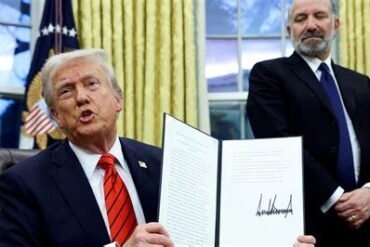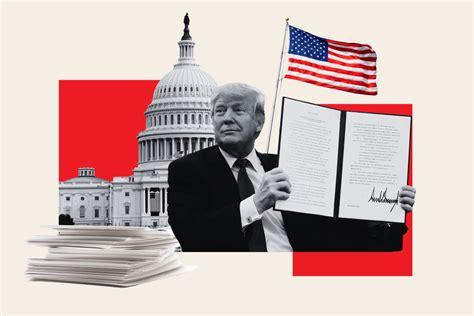
On June 6, 2025, President Donald Trump signed a set of executive orders that may signal a seismic shift in how drones are operated, regulated, and utilized across the United States. While much of the public discourse has focused on the geopolitical ramifications of the policy—especially its implications for foreign-manufactured drones—the most immediate and consequential impact will likely be felt by aerial photographers, videographers, and commercial drone operators. These five key changes, embedded in the “Restoring American Airspace Sovereignty” and “Unleashing Drone Dominance” orders, outline a blueprint that could profoundly influence how creative professionals capture the skies.
Geofencing Will Expand to Include Temporary Flight Restrictions
One of the more nuanced yet powerful shifts involves geofencing technology. Currently, geofencing in drones like those from DJI restricts access to permanent no-fly zones, such as around airports or military installations. However, Trump’s executive order mandates that the FAA must work toward integrating Temporary Flight Restrictions (TFRs) and Notices to Airmen (NOTAMs) into geofencing protocols.
This means that temporary hazards—like wildfires, large public events, or visiting dignitaries—will soon be automatically encoded into drone flight software. For drone photographers used to operating in dynamic urban or wilderness environments, this could mean the difference between a successful shoot and being grounded without warning. More importantly, the 180-day compliance window set in the order means manufacturers and software developers will be under tight deadlines to implement these changes, raising questions about cross-platform compatibility and user interface transparency.
Remote ID Access Expanded to Law Enforcement and Infrastructure Operators
Under the new orders, the FAA Administrator has just 60 days to enable real-time access to Remote ID signals—the digital license plates for drones—to various law enforcement bodies and potentially even private infrastructure operators. The stated goal is to enhance enforcement of both federal and state laws, but the implications for privacy and creative freedom are substantial.
While the FAA has long maintained control over aviation regulation, this shift means local police departments, state troopers, and security personnel at critical infrastructure (think nuclear plants, data centers, or hospitals) could all soon have surveillance-level access to drone pilot locations and identifiers. Though the order clarifies that access must align with the Privacy Act of 1974, the inclusion of private stakeholders introduces a gray area that could chill creative exploration, particularly in public spaces that border sensitive installations.
Beyond Visual Line of Sight (BVLOS) Operations Back on the Table
Perhaps the most liberating—yet complex—change for drone creators is the executive order’s directive to expedite new rules for Beyond Visual Line of Sight (BVLOS) operations. Within just 30 days, the FAA must propose a preliminary legislative draft, and by February 2026, a final rule is expected.
Currently, BVLOS is tightly controlled and requires explicit FAA waivers, making it largely inaccessible to the average Part 107 pilot. With new legislation in place, cinematic tracking shots, long-range mapping missions, and multi-location commercial gigs could become routine. But freedom won’t come without strings. Regulatory hurdles will likely include mandatory onboard detect-and-avoid systems, remote ID compliance, and perhaps integration with new geofencing and AI-based risk assessments.
Artificial Intelligence Will Expedite Flight Waivers
The cumbersome waiver process for drone operations in restricted zones may soon be overhauled, thanks to the federal government’s endorsement of AI-assisted decision-making. The order instructs the FAA to develop AI tools capable of rapidly processing UAS waiver applications.
Under the current model, waiver applications—especially for operations over people, at night, or near airports—require up to 90 days of lead time. For photographers chasing perfect light or videographers timing shoots to weather patterns, this lag often renders opportunities obsolete. The integration of AI means that high-confidence, low-risk requests could be auto-approved based on historical safety data, thereby unleashing unprecedented flexibility for agile creators.
This development could also pave the way for a tiered risk model, where seasoned pilots with clean records and high-certification equipment enjoy priority access to advanced permissions. While the specifics are yet to be published, the FAA has until early 2026 to finalize implementation.
Made-in-America Drones Get Preferential Treatment
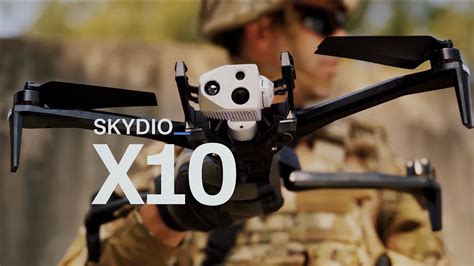
Though not an outright ban on Chinese-made drones, the fifth key change seeks to recenter America’s drone ecosystem around domestic manufacturers. Trump’s directive includes a request for the Secretary of Commerce to outline rules ensuring that vital drone components are controlled by American entities.
Federal agencies will be expected to prioritize US-based drone manufacturers, and a new “Covered Foreign Entity List” will identify suppliers that pose a potential risk to national security. For companies like Skydio, which recently pivoted to enterprise and defense markets, this move could be a financial boon. But for creative professionals, it may mean grappling with higher costs, limited feature sets, and longer production cycles, especially if flagship Chinese drones face procurement hurdles.
That said, DJI’s official response was measured and confident. The company reaffirmed its commitment to data privacy, offline functionality, and user control, indicating a willingness to cooperate with forthcoming national security reviews. While not explicitly targeted, DJI and similar manufacturers will likely face increased scrutiny through 2025.
Security Measures Ahead of Major Events and Potential Industry Shake-Ups
Beyond the five marquee changes, the executive orders include sweeping mandates to prepare for large-scale events such as the 2026 FIFA World Cup and 2028 Summer Olympics, both of which will be held in the United States. These preparations involve the development of counter-UAS technologies—systems designed to detect, intercept, or disable unauthorized drone activity near sensitive venues.
This sets the stage for a future where aerial artists may be required to register their equipment and submit real-time flight plans during major events. While this protects public safety, it introduces more layers of bureaucracy for legitimate commercial operators.
Creative Freedom vs. Regulatory Oversight: What’s Next for Aerial Artists?
At their core, these executive orders appear to walk a tightrope between safety and innovation. On one hand, they unlock long-requested freedoms, such as BVLOS flight, waiver simplification, and clearer geofencing protocols. On the other, they centralize more control in the hands of law enforcement, infrastructure operators, and federal agencies, raising concerns over civil liberties and data privacy.
The final shape of drone regulation in the United States will depend not just on how these directives are implemented, but on the resilience and adaptability of drone pilots and content creators. Those who understand the regulatory landscape and equip themselves with compliant gear and procedures will likely thrive in this new ecosystem.
For now, the clock is ticking. With multiple deadlines looming between 30 and 240 days from the signing date, the aerial photography and videography community must stay informed, agile, and proactive. Whether these executive orders prove to be a renaissance or a reckoning for drone creativity will depend on how these regulations are translated into practice.