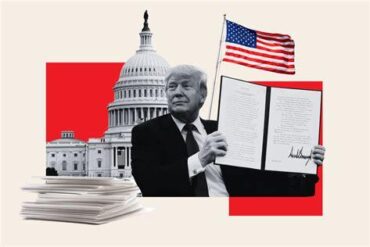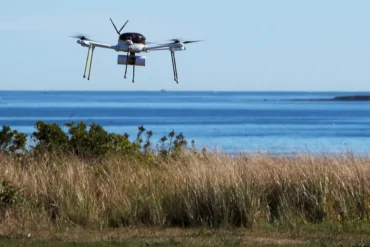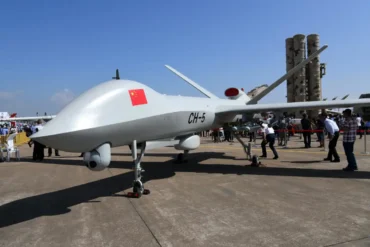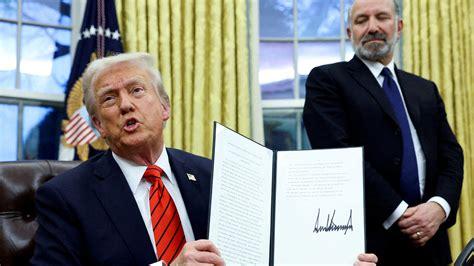
The Trump administration is preparing a sweeping set of executive orders that could dramatically alter the landscape of the U.S. commercial drone industry. The proposed orders, expected to be signed imminently, are aimed squarely at Chinese drone manufacturers, particularly DJI and Autel Robotics. While the action stops short of an outright ban, it will direct intelligence agencies to accelerate their national security evaluations of foreign drones and likely result in heavy restrictions on sales within U.S. borders.
These developments signal a turning point in the U.S. government’s years-long scrutiny of Chinese drones, citing their potential to act as conduits for surveillance and cyber-espionage.
National Security Concerns Amplify Pressure on Chinese Manufacturers
The forthcoming orders are rooted in persistent concerns from U.S. defense and intelligence agencies over Chinese-made drones collecting sensitive data. The main concern is not merely surveillance during leisure or commercial flights but potential vulnerabilities in data transmission and storage protocols, which could expose American infrastructure, public spaces, and critical sectors to foreign oversight.
While DJI has consistently maintained that its devices are secure—emphasizing that photos, videos, and flight logs are not automatically uploaded to its servers—U.S. lawmakers remain unconvinced. These orders could give the intelligence community a direct mandate to scrutinize DJI’s and Autel’s technologies with far more urgency than in previous years.
The 2024 Defense Bill and FCC Implications
The FY 2025 National Defense Authorization Act (NDAA), signed in December 2024, already laid a significant foundation. Under this bill, federal authorities must assess whether DJI and Autel products pose an “unacceptable risk” to national security. If no agency acts by December 2025, the brands will be automatically placed on the FCC’s Covered List, effectively banning their new products from entering the market.
DJI has warned that inaction on the government’s part—not technological flaws—could lead to unfair market exclusion. The company called for “technology merit-based evaluations rather than nationality-based decisions.” Still, the U.S. appears poised to lean heavily on the side of precaution.
The Rise of Skydio and U.S. Drone Industry Prospects
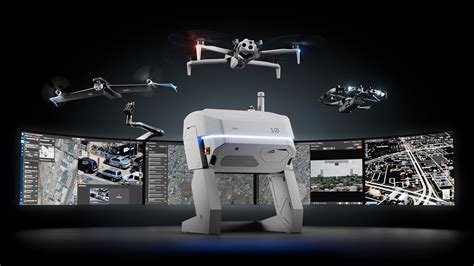
As Chinese drones face increasing resistance, domestic manufacturers like Skydio are poised to benefit from an invigorated policy environment. Headquartered in Silicon Valley, Skydio represents America’s best bet at regaining control over a market now dominated by Chinese entities. However, DJI’s dominance, reportedly accounting for more than 70% of global consumer drone sales, remains a daunting challenge.
The executive orders are expected to do more than just restrict foreign competitors. They are likely to include provisions that bolster U.S. drone manufacturing through federal investment, perhaps even launching a government-backed industrial initiative similar to the CHIPS and Science Act, which targeted domestic semiconductor production.
Regulatory Overhaul: Where Can Drones Fly?
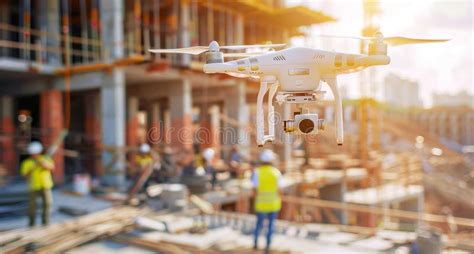
Alongside the economic and security directives, the Trump administration’s orders could update federal airspace regulations governing where commercial drones are legally allowed to operate. This overhaul could open up new pathways for U.S. companies to innovate in logistics, agriculture, and infrastructure inspection.
However, such regulatory changes must navigate a labyrinth of FAA policies, state laws, and local ordinances. Coordination between federal and local authorities will be crucial in preventing fragmented implementation and unintended compliance challenges.
DJI’s Pushback and Data Privacy Assurances
In a detailed statement, DJI reiterated its commitment to user privacy. It emphasized that as of June 2024, the company had disabled the feature allowing U.S. users to sync flight records to its servers. Moreover, DJI’s Local Data Mode now lets users operate drones without any internet connection, theoretically eliminating real-time data leaks.
Yet these reassurances have done little to sway Washington’s trajectory. The political and military establishment continues to stress the risks of foreign-origin technology in critical systems, regardless of current user-level privacy features.
Political Timing and the 2024 NDAA Debates
It is no coincidence that these executive orders are surfacing in the aftermath of the NDAA debates. During the 2024 negotiations, DJI narrowly escaped a full ban. However, the momentum from both sides of the aisle now seems squarely focused on tightening the screws on Chinese tech firms, especially those tied to dual-use applications like video surveillance and aerial data capture.
This movement builds upon DJI’s 2022 designation on the U.S. Treasury’s Chinese Military-Industrial Complex list, which prevents American companies from exporting technology to the firm and underscores broader distrust in Beijing’s growing technological footprint.
Local and State-Level Restrictions Pile Up
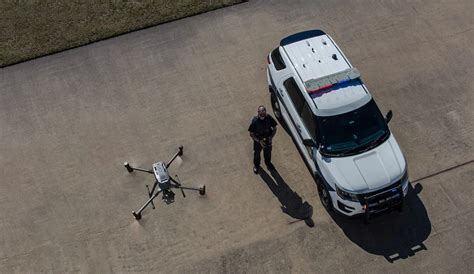
Federal action is only part of the pressure matrix. Several U.S. states—Florida, Mississippi, and Tennessee among them—have already banned police departments from deploying Chinese drones. Meanwhile, in Florida, lawmakers are even entertaining legislation that would allow residents to shoot down intrusive drones in certain circumstances, underscoring the intensity of drone-related anxieties in public discourse.
These local measures, while controversial, reflect growing sentiment across the U.S. that Chinese-made drones, no matter how technologically superior or affordable, represent a national risk not worth taking.
Industry Response and Market Uncertainty
Despite growing uncertainty, DJI remains optimistic about continued engagement with U.S. regulators. The company maintains that it is being unfairly targeted and that no evidence has emerged proving systematic data abuse or espionage through its platforms. However, DJI’s legal battles with the U.S. government are ongoing, and their outcomes may determine whether the company can retain even a niche position in the American market.
Industry analysts predict that even if DJI is not formally banned, the cloud of regulatory risk will push enterprise customers, government agencies, and even hobbyists to seek U.S.-based or non-Chinese alternatives.
Can the U.S. Drone Industry Fill the Void?
The possibility of a Chinese drone exodus raises a crucial question: Can U.S. manufacturers meet demand? While companies like Skydio have shown promise, they currently lack the production scale, cost efficiency, and global distribution channels that DJI has spent over a decade building.
Moreover, while DJI has set the bar in camera stabilization, flight automation, and GPS integration, most U.S. alternatives remain specialized or cost-prohibitive for mass market consumers. Bridging this gap will require not only federal support but significant private investment—and time.
Strategic Realignment in Global Drone Markets
Should the U.S. enact these orders, the impact will extend well beyond domestic boundaries. Countries in Europe, South America, and Southeast Asia often follow America’s regulatory cues, especially on matters of national security. A precedent set in the U.S. could lead to a cascade of restrictions elsewhere, fundamentally reshaping the global drone market.
China’s dominance in drone technology, once seen as an unstoppable wave, could face its most significant challenge yet—not from engineering or competition, but from geopolitical resistance.
Conclusion: A Crossroads for Drone Innovation and Security
The Trump administration’s pending executive orders mark a pivotal moment for the drone industry. As national security concerns clash with market realities, the U.S. must now choose between embracing proven foreign technology with unresolved privacy concerns, or investing in slower, costlier domestic alternatives that may offer long-term security advantages.
The coming months will determine whether Chinese drones like DJI’s can adapt to a radically shifting regulatory landscape—or whether the skies over America will soon be cleared of foreign propellers altogether.