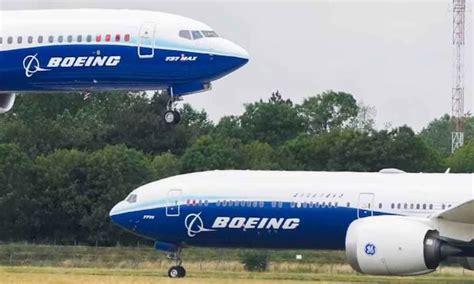
China’s latest aircraft commitment to Boeing could become one of the aerospace giant’s most significant commercial victories in years, with company executives now signaling that the recently announced 200-aircraft agreement may only represent the beginning of a much larger procurement wave. As Boeing works to regain lost ground in one of the world’s fastest-growing aviation markets, executives believe the total number of Chinese aircraft commitments could eventually climb as high as 700 jets.
The development comes at a critical moment for Boeing, which has spent years navigating strained geopolitical relations between the United States and China while simultaneously losing market share to European rival Airbus. The initial 200-aircraft commitment, announced during the recent US presidential visit to China, immediately drew global attention across the aviation sector. Yet despite the scale of the agreement, many investors viewed the figure as smaller than expected considering China’s enormous long-term fleet requirements.
Boeing CEO Kelly Ortberg has now added a far more optimistic outlook to the conversation, describing the current commitment as merely an “initial tranche” of what could evolve into a substantially larger deal in the coming years.
After traveling to China alongside the US president, Ortberg reportedly indicated that discussions between Chinese and American officials produced constructive momentum that may open the door for additional aircraft orders and future announcements. Industry estimates cited in recent reports suggest follow-on commitments could range between 300 and 500 more aircraft, potentially pushing the total order tally close to 700 jets.
The possibility of such a dramatic expansion would represent a major strategic turnaround for Boeing in a market that once accounted for a quarter of all Boeing 737 deliveries worldwide.
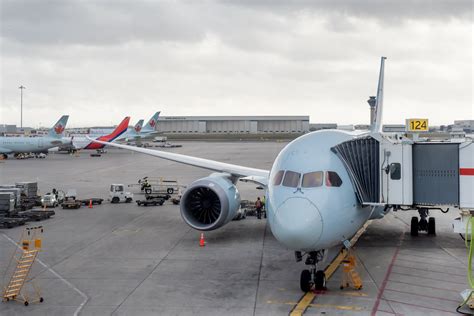
Boeing’s Struggle To Reclaim The Chinese Aviation Market
China has long been considered one of the most important battlegrounds in global commercial aviation. Before trade disputes and diplomatic tensions disrupted relations between Washington and Beijing, Boeing maintained a dominant presence across Chinese airline fleets. Chinese carriers aggressively expanded their domestic and international operations throughout the 2000s and 2010s, purchasing large numbers of Boeing narrowbody and widebody aircraft to support exploding passenger demand.
However, the political environment changed dramatically over the past several years. Rising tensions between the two governments complicated aircraft approvals, delivery schedules, and broader aerospace cooperation. Boeing was additionally impacted by the worldwide grounding crisis involving the 737 MAX, which created further delays in rebuilding confidence among Chinese regulators and airlines.
These developments allowed Airbus to strengthen its foothold within China at precisely the moment Boeing’s market access became constrained. Airbus capitalized on the situation through aggressive sales campaigns, industrial partnerships, and expanded local cooperation initiatives.
The European manufacturer steadily secured major agreements with Chinese carriers, including large orders for Airbus A320neo-family aircraft. One of the most notable examples came when China Eastern finalized a massive deal valued at approximately $15.8 billion for 101 Airbus narrowbody jets.
As Airbus accelerated its growth inside China, Boeing’s delivery numbers experienced a sharp slowdown.
According to Boeing’s latest aircraft orders and deliveries data through April 2026, the manufacturer currently maintains a backlog of 98 aircraft scheduled for Chinese airlines and leasing companies. While Boeing delivered 675 aircraft to Chinese customers between 2016 and April 2026, only 152 of those deliveries occurred during the past five years. The figures illustrate how dramatically Boeing’s momentum in China weakened during the latter half of the decade.

Why The New China Commitment Matters For Boeing
The significance of the 200-aircraft commitment extends well beyond the raw number of jets involved. For Boeing, the agreement signals renewed access to a market that will define the future balance of power in global aviation manufacturing.
China’s aviation sector continues to expand at an extraordinary pace. The country’s rising middle class, growing regional connectivity, and increasing international travel demand are creating one of the largest long-term fleet expansion opportunities anywhere in the world.
Both Boeing and Airbus forecast that airlines worldwide will require more than 49,000 new commercial aircraft over the next two decades. Importantly, both manufacturers also agree that China will remain one of the largest contributors to future passenger growth and fleet demand.
This reality explains why competition between Boeing and Airbus inside China has become so intense. Aircraft sales to Chinese airlines are no longer simply commercial transactions; they are strategic victories capable of shaping production lines, market influence, and industrial partnerships for decades.
The latest commitment therefore represents more than a routine order announcement. It potentially marks Boeing’s first major step toward rebuilding relationships with Chinese airlines and government authorities after years of uncertainty.
Reports indicate that the Chinese government is currently allocating the committed aircraft among the nation’s three major state-owned airlines: Air China, China Southern Airlines, and China Eastern Airlines. Once allocations are finalized, Boeing will reportedly negotiate directly with each carrier regarding aircraft configurations, delivery timelines, and operational requirements.
All three airlines already operate mixed fleets containing both Boeing and Airbus aircraft across narrowbody and widebody categories.
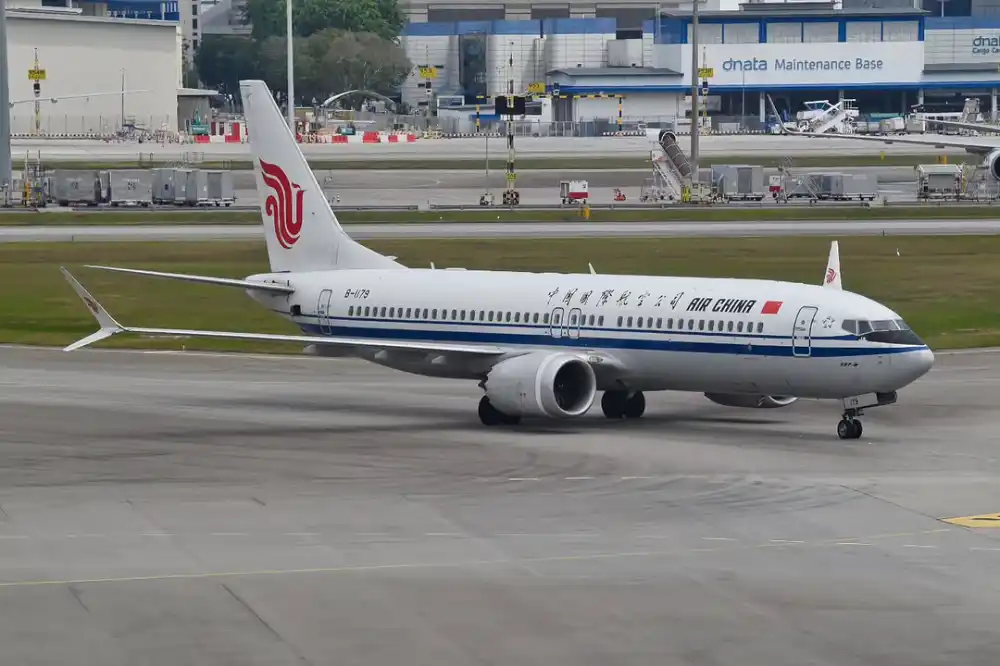
Chinese Airlines Continue Expanding Mixed Fleets
The structure of Chinese airline fleets reveals why Boeing remains deeply important to the market despite recent challenges.
Air China, China Southern, and China Eastern all operate Boeing 737 MAX aircraft on domestic and regional routes while also utilizing Boeing 787 Dreamliners for long-haul international operations. At the same time, these airlines continue expanding Airbus fleets, particularly with A320neo-family aircraft that have become highly popular among Asian carriers.
Complicating the competitive landscape further is the rise of China’s domestic aerospace manufacturer, COMAC. The state-backed COMAC C919 program has emerged as a symbol of China’s ambitions to reduce reliance on foreign manufacturers and develop an independent commercial aviation industry.
Each of China’s three major state-owned carriers now operates the COMAC C919 on domestic routes. While the aircraft currently serves primarily within China, the program represents an increasingly important factor in future fleet planning decisions.
Even so, Boeing and Airbus remain essential suppliers for China’s broader aviation expansion. Chinese airlines require large numbers of technologically advanced aircraft capable of supporting both domestic growth and international route development. Current production limitations at COMAC mean the domestic manufacturer alone cannot satisfy China’s enormous near-term demand.
That dynamic creates a continuing opportunity for Boeing to regain strategic relevance.
Boeing’s Next Challenge: Turning Commitments Into Deliveries
While optimism surrounding the potential 700-aircraft figure continues growing, the path ahead remains complex. Aircraft commitments do not automatically translate into finalized contracts, and geopolitical tensions between the US and China still carry the potential to disrupt negotiations.
Boeing must also demonstrate stable production performance after years of manufacturing disruptions, certification delays, and supply chain pressures. Chinese airlines will closely evaluate delivery reliability, fleet support capabilities, and long-term operational economics before expanding commitments further.
Nevertheless, industry observers increasingly view the latest developments as a meaningful turning point.
If additional orders materialize over the coming months and years, Boeing could begin reversing one of the most difficult chapters in its relationship with China. The manufacturer’s ability to reclaim market share from Airbus in the world’s most strategically important aviation market may ultimately determine how competitive Boeing remains throughout the next generation of global fleet expansion.
For now, the initial 200-aircraft commitment appears less like a final destination and more like the opening phase of a much larger commercial aviation deal still taking shape behind the scenes.