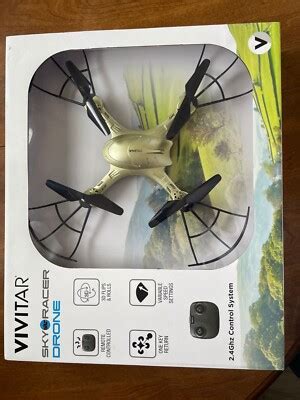
The Vivitar DRC-190 Sky Racer Drone arrives as an entry-level quadcopter targeting first-time users and hobbyists enticed by the promise of aerial excitement at a budget price. Sold through outlets such as Ollie’s Bargain Outlet, the drone has garnered attention for its toy-like appeal and equally toy-like performance. While expectations may be tempered by its cost, the early experiences of consumers tell a cautionary tale. For many, the real flight of this drone ends before it ever leaves the ground.
Design and First Impressions: Toy-Like Simplicity Meets Functional Fragility
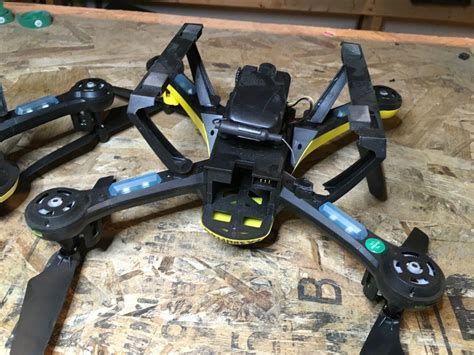
At first glance, the DRC-190 Sky Racer boasts a sleek, sporty aesthetic—an appearance that can easily fool the uninitiated into believing it’s more capable than it actually is. The drone arrives with basic parts: two propeller guards, two legs, a controller that runs on three AAA batteries, and an instruction manual that is more misleading than useful. Assembly is rudimentary. Users only need to screw in the legs and snap in the guards, a task completed in minutes.
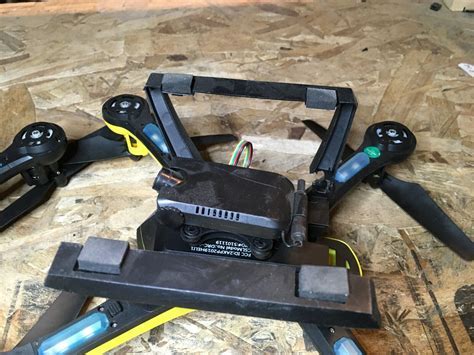
However, issues start to reveal themselves almost immediately. The instruction manual, far from being helpful, misguides users regarding the battery placement. According to the provided diagram, the battery is located within the camera housing—completely incorrect. Only through external sources like YouTube videos or meticulous physical inspection can users find the correct location: a small compartment at the rear of the drone, hidden behind a plastic panel secured with a tiny screw.
Battery Confusion: Missing, Mislabelled, and Mysteriously Absent
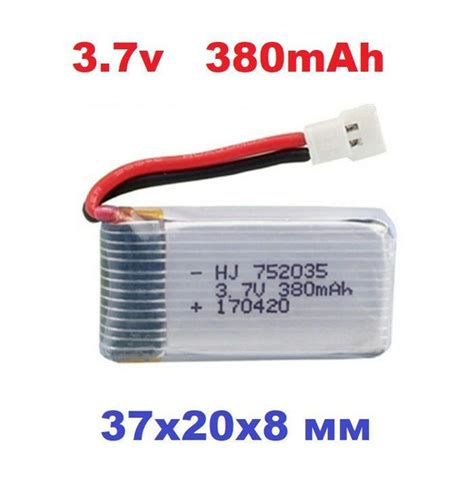
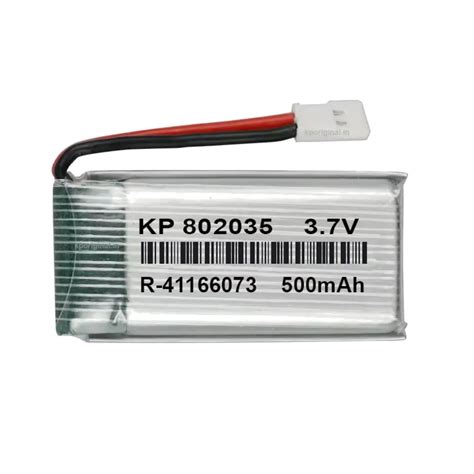
Perhaps the most glaring issue with the Vivitar DRC-190 is the absence of a working battery. Multiple reports from buyers confirm that the package frequently lacks the 3.7V LiPo battery that is essential for flight. When present, the battery often carries no model number, only cryptic inscriptions such as DS 802035 3.7V 380mAh 1.41Wh, offering little help for users trying to buy spares or replacements.
The confusion deepens with inconsistent packaging contents. Some boxes include a USB charger, while others do not. The charger, when included, is a standard USB-A cable meant to connect with the 3.7V battery, assuming it exists. Buyers are left scavenging through eBay or niche battery shops online, hoping to find an appropriate replacement such as the 802035 LiPo battery, which reportedly fits the connector used by the Sky Racer.
Controller Setup and the Mystery Power Switch
One of the most overlooked issues lies in a nearly invisible design flaw: the power switch. Early reviewers and users alike struggled to power on the drone, believing it was defective. It turns out that the power switch exists—but it is a tiny black slider so inconspicuous that most users miss it entirely. The manual fails to mention it, leading many to assume the drone is non-functional upon battery connection.
When the battery is connected and the switch is flipped, successful units do show lights or attempt a startup. However, there are still reports of completely unresponsive drones, even with fully charged batteries. Some speculate poor soldering on internal components, while others believe certain units were shipped without essential electronics altogether.
Flight Performance: A Short-Lived Buzz
For those who do manage to launch the Sky Racer, the drone performs adequately within its price range. The flight time hovers between 10 to 15 minutes, depending on wind conditions and payload. It’s clearly not built for long-term use or complex aerial stunts, but rather basic maneuvers indoors or on windless days.
The camera, despite being advertised in some versions of the product, is either non-functional or omitted entirely from budget editions sold through discount retailers. Connectivity to smartphones is another gray area. Several buyers have reported inability to pair their phone with the drone or even identify what app, if any, supports the model. Vivitar’s own support resources are outdated or nonexistent for this particular unit.
Customer Experience: Frustration Meets Silence
Perhaps the most damning aspect of the Vivitar DRC-190 experience is the utter lack of after-sale support. Numerous attempts by customers to contact Vivitar support have gone unanswered. Emails remain in limbo, and phone calls go to voicemail or result in vague reassurances with no follow-up.
The frustration has led some customers to return the drone altogether, while others have opted to report Ollie’s Bargain Outlet to their local consumer protection agency, citing deceptive packaging and a defective product knowingly sold without essential components. The Reddit thread that began as a review has since evolved into a community-driven support group, where users exchange battery tips, connector close-ups, and shared disappointment.
Battery Alternatives: A Ray of Hope?
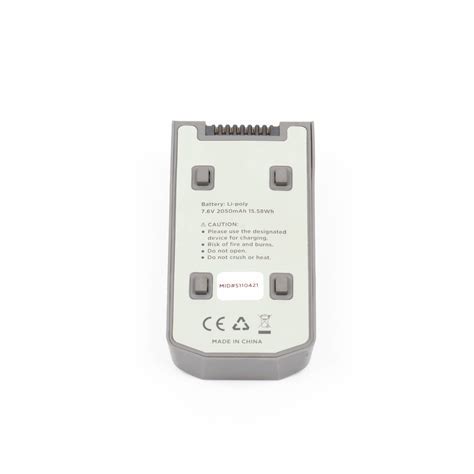
Despite the setbacks, some users have found workarounds. The 802035 3.7V LiPo battery (typically 500mAh or 380mAh) appears to be a compatible match for the Sky Racer’s connector. These batteries are available on Amazon, eBay, and dedicated battery suppliers such as shop-battery.com. One listing even includes multi-battery charging adapters, a useful addition for extending flight time with multiple batteries.
Prices for the battery remain consistent, averaging around $9.99 to $10.99, with some users recommending the Amazon listing (ASIN: B0CG6LLB98) for convenience. That said, the inconsistency in what exact model is shipped with the drone has left room for uncertainty. Buyers must match not only the voltage and mAh but the plug style, which seems unique to the Vivitar unit.
Conclusion: A Disposable Drone Dressed as a Starter Kit
The Vivitar DRC-190 Sky Racer Drone encapsulates the risks of purchasing ultra-low-cost electronics from off-brand or discount retailers. While the design is visually appealing and the concept of an entry-level drone is attractive, the execution is flawed at almost every step: from misleading manuals and inconsistent packaging to nonexistent customer support and unclear product specifications.
That said, there is a small segment of users who find the drone acceptable as a learning tool, especially if they manage to resolve the battery issue. These users typically value the hands-on troubleshooting and see it as part of their initiation into the world of drone flying. However, for the average buyer, particularly gift givers or casual hobbyists, the experience leans far closer to frustration than flight.
Until Vivitar or retailers like Ollie’s address the packaging and support issues, or until a third party begins consistently supplying the correct batteries, the DRC-190 will remain less a drone and more a cautionary tale.