Understanding the True Cost of a Sport Pilot License in the United States
When considering a pathway to becoming a licensed pilot without committing to the extensive requirements of a Private Pilot License (PPL), the Sport Pilot License (SPL) offers a lighter, more accessible alternative. However, potential aviators often underestimate the full scope of sport pilot license cost, both in terms of initial training and ongoing maintenance. We provide an in-depth breakdown of all related expenses, from certification to recurrent training and aircraft rental.
Initial Cost of Obtaining a Sport Pilot License
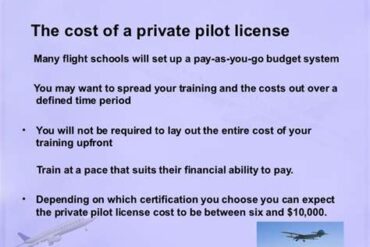
The first step in understanding sport pilot economics is calculating the initial outlay required to obtain an SPL. While many references cite a range of $5,000 to $7,000, this figure can fluctuate significantly based on location, flight school rates, and the type of aircraft used during training.
A realistic breakdown includes:
- Ground School (Online or In-person): $250–$500
- Books, Supplies, Charts, and Headsets: $200–$400
- FAA Knowledge Test Fee: $175
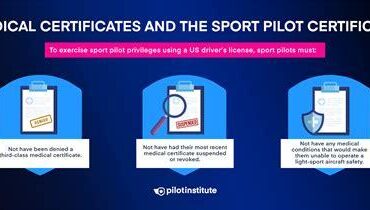
- Medical Requirements: None (a valid U.S. driver’s license suffices)
- Flight Instruction and Aircraft Rental (Minimum 20 hours):
- Instructor Fees: $60–$100/hour
- Aircraft Rental (LSA): $90–$130/hour
For example, training 25–30 hours in a Light Sport Aircraft (LSA) with dual instruction at an average combined cost of $180/hour could total around $5,400. Adding the associated ground school and examination fees, the average cost for a Sport Pilot License falls between $6,000 and $9,000.

Aircraft Rental and Ownership Considerations
After earning your SPL, the ongoing cost of flying will largely depend on whether you rent or own a Light Sport Aircraft.
Renting a Light Sport Aircraft
Renting is the most common approach among new sport pilots. Rental fees vary widely across the country and depend on:
- Fuel prices
- Aircraft type (e.g., Tecnam P92, Remos GX, Pipistrel)
- Local demand and aircraft availability
In general, LSA rental rates range from $99 to $160/hour, wet (fuel included). Some flying clubs may offer bulk hour packages, marginally reducing the hourly rate.
Owning a Light Sport Aircraft
For frequent flyers, ownership may become cost-effective. A used Light Sport Aircraft can be purchased for $30,000 to $80,000, though new models may exceed $100,000. Additional ownership costs include:
- Annual Inspection: $500–$1,000
- Hangar or Tie-down Fees: $1,000–$3,000/year (location-dependent)
- Insurance: $800–$2,000/year
- Fuel and Maintenance: Approximately $25–$45 per flight hour
This translates to an estimated $40 to $60 per flight hour for owners when factoring in fuel, oil, and long-term engine reserve.
Cost of Maintaining a Sport Pilot License
While the Sport Pilot Certificate does not expire, maintaining your ability to legally operate aircraft under SPL privileges requires staying current under FAA Part 61.
Biennial Flight Review (BFR)
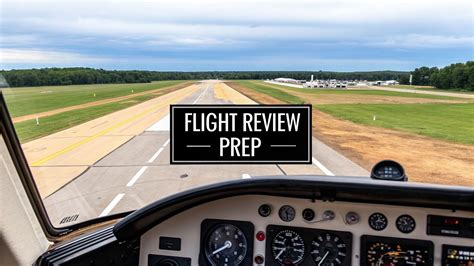
Every 24 months, sport pilots must complete a flight review. This includes at least 1 hour of ground instruction and 1 hour of flight with a Certified Flight Instructor (CFI). Average costs include:
- CFI Instruction: $80–$100/hour
- Aircraft Rental (LSA): $100–$140/hour
Thus, the typical flight review cost ranges between $200 and $300, although more time may be necessary for pilots who haven’t flown recently.
Currency for Passenger-Carrying Flights
To carry a passenger, you must log three takeoffs and landings within the preceding 90 days in the same category and class of aircraft. This rule implies:
- Frequent flyers stay current with normal flight operations
- Infrequent flyers may need a brief refresher flight, adding to cost
Assuming a rented LSA at $120/hour, logging three landings in a quick flight could cost as little as $60–$120 depending on location and efficiency.
Medical Certification Costs
Unlike PPL holders, sport pilots do not need an FAA medical exam. Instead, a valid U.S. driver’s license suffices, reducing both cost and bureaucratic hassle. However, if a pilot has had a previous FAA medical denial, they may not use the driver’s license provision.
BasicMed Option (Optional for Higher Certification)
Pilots upgrading to PPL or higher may need a BasicMed exam or an FAA medical. These exams range from $125 to $200, depending on location and examiner availability.
Comparing SPL to Private Pilot License (PPL)
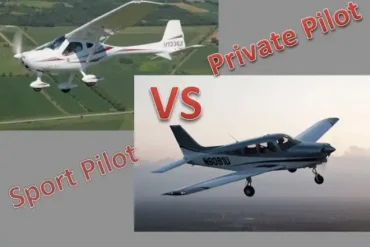
Some consider the Sport Pilot Certificate as a stepping stone toward a Private Pilot License. However, the differences in structure make this route less efficient than it appears.
Minimal Cost Savings
Although SPL training requires fewer flight hours, transitioning to a PPL often entails:
- Additional cross-country flight time
- A second FAA knowledge test
- A new checkride
These requirements essentially duplicate costs, making the upgrade from SPL to PPL more expensive in the long term than starting directly with PPL training.
Operational Limitations of SPL
- No night flying
- No flight in Class B, C, or D airspace without endorsements
- Limited access to aircraft (many rental fleets cater to PPL holders)
- No instrument flight privileges
What About Ultralights?
Some may opt for ultralight flying instead of obtaining a sport pilot license. In the United States, true ultralights (under FAR Part 103) require:
- No license
- No registration
- No medical certificate
However, these aircraft must weigh under 254 pounds empty, carry only one person, and be used strictly for recreational purposes.
Cost of Flying Ultralights
Ultralight flying can be extremely affordable:
- Used ultralight aircraft: $5,000–$15,000
- Basic training: $1,000–$2,500 (not required, but highly recommended)
- Operating costs: $20–$40/hour (includes fuel, maintenance)
While inexpensive, ultralights offer limited performance and utility compared to Light Sport Aircraft.
Cost-Efficient Strategies for Sport Pilots
Maintaining affordability as a sport pilot often depends on smart habits and local opportunities:
- Join a flying club to reduce aircraft rental costs
- Coordinate with a local CFI for seasonal checkouts or group reviews
- Fly during optimal weather months to avoid cancellations and reduce instructor rescheduling fees
- Consider buying a share in a LSA to lower long-term costs
Conclusion
The cost of obtaining and maintaining a Sport Pilot License can vary substantially based on individual goals, location, and flying frequency. While initial training might start around $6,000, a more realistic all-in cost typically reaches $7,000 to $9,000. Maintaining currency, especially for those who rent, can cost $1,000 to $2,000 per year depending on how often one flies and where.
For those seeking the joy of flying without the regulatory and financial burden of full private certification, the SPL remains an appealing alternative. Yet, as with all aviation decisions, a clear understanding of long-term commitment and cost is essential for making informed and safe choices.
Frequently Asked Questions (FAQs)
How much does it cost annually to maintain sport pilot privileges?
On average, maintaining sport pilot currency costs between $1,000 and $2,000 annually, assuming 10–15 flight hours per year, a biennial flight review, and occasional rental fees. Pilots who own their aircraft may see lower variable costs per hour.
Is it cheaper to fly ultralights instead of getting a sport pilot license?
Yes, ultralight flying is significantly cheaper. However, it comes with strict limitations: no passengers, limited weight, and reduced safety equipment. Initial costs can be as low as $5,000, with operational costs around $25/hour. Still, proper training is advised for safety.
Can a sport pilot license be used to later get a private pilot license?
Technically yes, but it’s not the most efficient path. While prior flight experience counts toward PPL requirements, pilots must still pass a second written exam, fulfill night flying and cross-country training, and undergo another checkride. In most cases, it’s more economical to begin training directly for a PPL if long-term flight capabilities are desired.