Understanding the Distinction Between Sport and Private Pilot Certificates
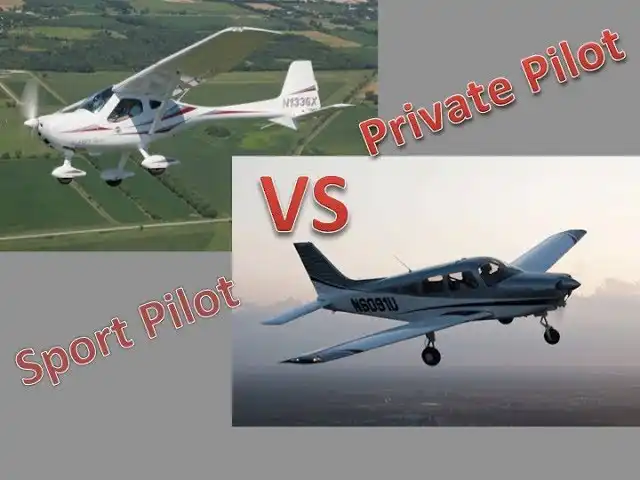
For aspiring aviators in the United States, one of the earliest and most critical decisions involves choosing between becoming a sport pilot or a private pilot. While both paths grant access to the skies, the privileges, limitations, training requirements, and long-term potential of each certificate are dramatically different. To make an informed decision, it’s essential to understand how each certification aligns with one’s aviation goals, budget, and commitment level.
The sport pilot certificate, introduced in 2004 by the FAA, was designed to make flying more accessible. It allows pilots to operate light-sport aircraft (LSA) without undergoing the stringent medical certification required of private pilots. On the other hand, the private pilot certificate opens a broader range of privileges and is often the foundational step for those aiming for commercial or professional aviation careers.
Training Requirements and Time Investment
The most immediate difference between the sport and private pathways is the required training time. A private pilot must complete a minimum of 40 hours of flight time, which includes at least:
-
3 hours of cross-country dual instruction
-
5 hours of solo cross-country, including a 150-nautical-mile trip
-
3 hours of night training, with at least 10 takeoffs and landings
In contrast, the sport pilot pathway demands just 20 hours of flight training:
-
2 hours of dual cross-country instruction
-
A single solo cross-country flight covering 75 nautical miles
This difference not only affects training duration but also directly correlates with the cost of certification. A sport pilot may spend around $5,000–$7,000 to earn their certificate, while a private pilot’s training typically ranges between $10,000–$15,000 depending on aircraft rental fees, instruction rates, and local conditions.
Medical Requirements: Driving License vs FAA Medical
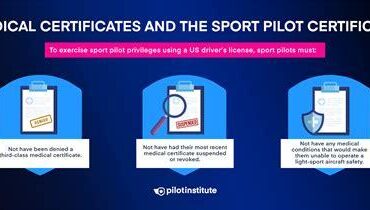
One of the sport pilot certificate’s most attractive advantages is that no FAA medical certificate is required. Applicants simply need to hold a valid U.S. driver’s license, provided they do not know or have reason to believe they have a medical condition that could affect safe operation.
In contrast, private pilots must obtain at least a third-class FAA medical certificate, which requires an examination by an Aviation Medical Examiner (AME). While generally routine, this requirement can be a barrier for older applicants or those with certain medical histories.
Aircraft Limitations and Performance Envelopes
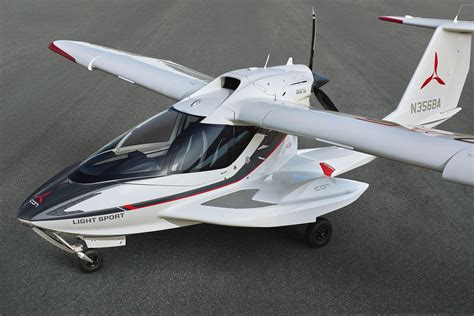
The sport pilot certificate is restricted to light-sport aircraft—fixed-wing planes that meet specific FAA criteria:
-
Maximum gross takeoff weight: 1,320 pounds (1,430 for seaplanes)
-
Maximum airspeed: 120 knots (138 mph)
-
Two seats maximum
-
Fixed gear and propeller
Private pilots face no such limitations. They are permitted to fly a wide range of general aviation aircraft, including:
-
Multi-seat aircraft
-
Higher-performance planes
-
Night operations
-
Multiengine airplanes (with appropriate ratings)
This operational flexibility makes the private certificate the preferred option for pilots who want to carry more than one passenger, fly cross-country at night, or eventually pursue instrument, commercial, or airline transport ratings.
Operating Privileges and Airspace Access
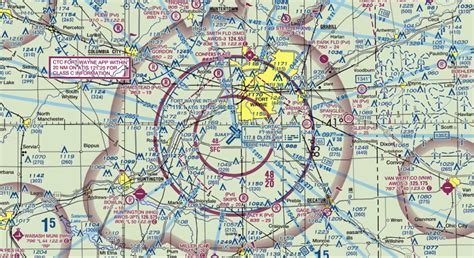
Sport pilots are limited to daylight operations only under Visual Flight Rules (VFR) and are prohibited from flying in Class B, C, or D airspace without additional training and endorsement. These airspaces often surround busy airports like those in New York, Los Angeles, or Chicago.
Private pilots, however, have access to all classes of controlled airspace and may fly at night and under Instrument Flight Rules (IFR) with appropriate endorsements. This grants vastly greater operational freedom.

Cost of Ownership and Aircraft Options
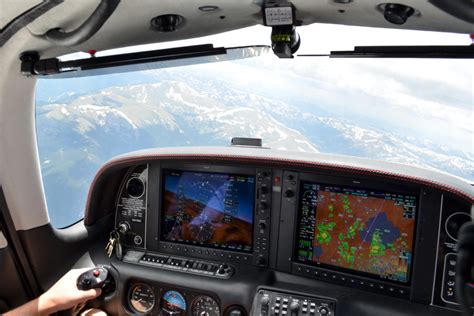
Flying under the sport pilot rules not only lowers training costs but also makes aircraft ownership more affordable. Many LSAs cost between $50,000 and $150,000, consume less fuel, and have simpler maintenance requirements. They’re often equipped with modern avionics, including glass cockpits.
Private pilots, while benefiting from access to more capable aircraft, face higher ownership costs, especially with larger or older planes that require more intensive maintenance and compliance with broader FAA regulations.
Career Aspirations and Aviation Progression
The sport pilot certificate is a logical endpoint for many recreational fliers. However, it also functions as a gateway to further certifications. Sport pilots can apply their hours toward private pilot training, and many go on to earn additional ratings.
But if one’s long-term vision includes a career as a commercial pilot, certified flight instructor (CFI), or airline transport pilot (ATP), the private pilot certificate is an essential first step. It builds the foundation for advanced aeronautical knowledge and operational experience.
Legal and Practical Limitations
While neither path requires a college degree, the legal obligations and privileges differ sharply:
-
A sport pilot cannot fly for compensation or hire, and is barred from flying into international airspace.
-
A private pilot, while also not allowed to fly for hire (unless holding a commercial certificate), can share operational expenses with passengers and participate in charitable or nonprofit aviation events.
These distinctions become important for pilots looking to use aviation for business purposes or those hoping to fly internationally.
Insurance, Safety, and Risk Management
Despite fewer hours, sport pilot safety records remain strong, particularly when pilots operate within the intended envelope of LSAs. However, insurance premiums can vary. While LSA insurance is often more affordable due to lower aircraft value and operating risk, some insurers prefer pilots with higher training hours.
Private pilots, who typically undergo more rigorous emergency procedures and cross-country navigation training, are generally perceived as more thoroughly prepared. This can influence rental requirements, insurance coverage, and flight club eligibility.
Summary: Which Certificate Is Right for You?
The decision between a sport and private pilot certificate ultimately hinges on your aviation goals:
-
If you’re a hobbyist seeking recreational flying on weekends, the sport pilot certificate provides a cost-effective, time-efficient route.
-
If you envision longer trips, flying with multiple passengers, or advancing in the aviation world, the private pilot certificate offers greater flexibility, capability, and future opportunity.
As the FAA and organizations like the EAA (Experimental Aircraft Association) continue promoting broader access to aviation, both paths remain excellent options for joining the general aviation community.
Frequently Asked Questions
Can a sport pilot become a private pilot later?
Yes. All flight hours earned under a sport pilot certificate can be applied toward the private pilot certificate. Many pilots begin as sport pilots and later upgrade after gaining experience and confirming their passion for aviation.
Do sport pilots need to renew their certificates?
No. Pilot certificates issued by the FAA do not expire. However, sport pilots must maintain currency by completing a flight review every 24 months and complying with recency-of-experience rules to carry a passenger.
What happens if a sport pilot flies into restricted airspace without proper endorsement?
Doing so violates FAA regulations and can lead to certificate suspension, revocation, or civil penalties. Sport pilots must receive additional training and a logbook endorsement before flying into Class B, C, or D airspace.