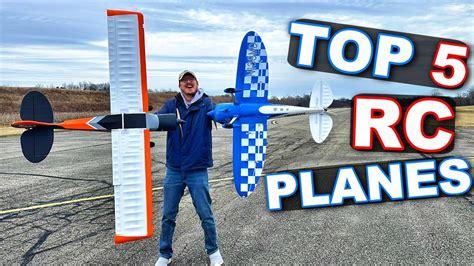
The world of RC flying is filled with a rich variety of planes catering to different styles, skill levels, and preferences. Whether you are a seasoned hobbyist or a newcomer to the exhilarating world of radio-controlled flight, choosing the best flying RC plane can be a challenging yet rewarding endeavor. From balsa wood planes to foam models, the debate surrounding which design, material, and style is the best is ongoing. In this guide, we will explore the top choices, discuss the characteristics that define a great flying RC plane, and provide you with the tools to make an informed decision on the ideal plane for your needs.
Understanding the Types of RC Planes
When selecting an RC plane, understanding the different types available is crucial. Each type has its strengths and weaknesses, depending on your flying style and the type of experience you’re seeking.
Balsa Wood Planes
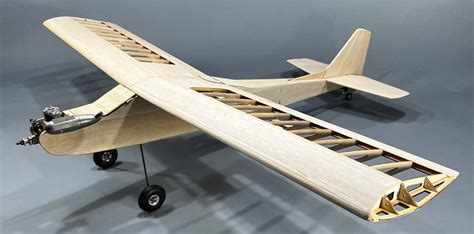
Historically, balsa wood planes have been the choice for serious enthusiasts. Known for their lightweight, stiff structure, and durability, these planes often offer a more precise and controlled flying experience. While they are more labor-intensive to build and repair, their rigidity provides a unique flying experience that is hard to replicate with foam models. Balsa planes are highly valued by those who enjoy craftsmanship, customization, and the sense of accomplishment that comes from building and maintaining the plane.
Foam Planes
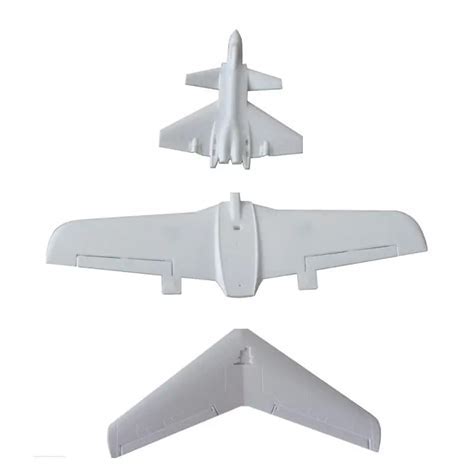
In contrast, foam RC planes are much easier to maintain, repair, and fly. Foam is generally more durable, meaning these planes are less likely to be damaged in a crash. For beginners, foam planes are often recommended due to their affordable price, ease of handling, and resilience. Though foam may not offer the same precision or rigidity as balsa, it allows newcomers to experience flying with minimal stress over maintenance and repairs. Foam planes are also typically more forgiving, making them suitable for casual flyers or those just learning the ropes.
Stik Designs
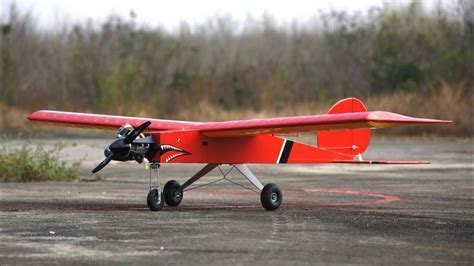
One of the most beloved designs in the RC plane community is the ‘Stik’ design. Simple, yet effective, Stiks are often praised for their stable flight characteristics and user-friendly nature. These planes are especially favored for their ability to perform well in a variety of conditions. Their high-wing design ensures greater stability and control, making them a great choice for both beginners and intermediate pilots. The classic design and ease of modification make them a staple in many RC collections.
Factors That Influence Flight Performance
Selecting the best flying RC plane isn’t just about material choice—several factors contribute to a plane’s performance in the air. Let’s take a closer look at the key features to consider when choosing your RC plane.
Size and Weight
Generally, larger planes tend to perform better in the air, especially when it comes to wind stability. A bigger plane can handle gusts and turbulence more effectively, providing a smoother flying experience. Larger planes are also easier to control, especially for intermediate or advanced pilots. However, size does come with trade-offs. Larger models can be more difficult to transport, require more storage space, and may have higher costs both in terms of purchase price and maintenance.
Control and Stability
The stability of an RC plane is paramount when determining its overall flying quality. Planes with a high wing configuration tend to be more stable in the air, allowing pilots to fly with greater ease and confidence. Conversely, low-wing planes, while faster and more agile, can be trickier to handle and often require a higher skill level to operate successfully. Dihedral wings, which are wings that slope upward from the center of the plane, are also an important factor in increasing stability, especially during turns and roll maneuvers.
Wing Design
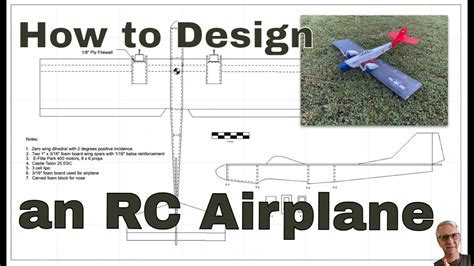
The wing design plays a crucial role in a plane’s performance. Planes with larger wingspans tend to be more stable and glide more smoothly, which can be ideal for long-duration flights. Conversely, smaller wingspans are better for agility and precision flying, but they may not provide as much stability in turbulent weather. If you’re looking for controlled flight and easy handling, consider a plane with a broader wingspan.
Top RC Planes on the Market
Here, we examine some of the best RC planes currently available, across various categories of flying and skill levels.
1. E-flite Timber X 1.5m
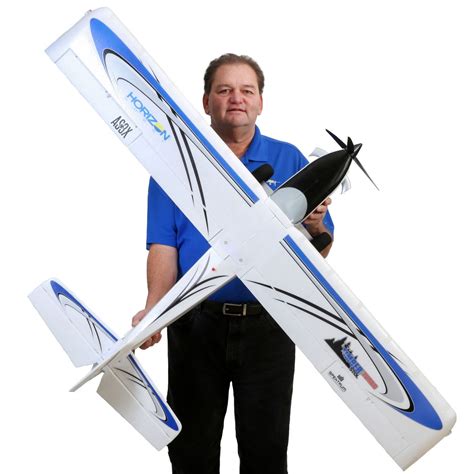
The E-flite Timber X stands out as one of the top choices for pilots who want versatility and high performance in one package. This high-wing plane is designed for all-around flying, from slow cruising to aggressive aerobatics. With its brushless motor and durable construction, it can withstand crashes and still deliver exceptional flight performance. The Timber X is a fantastic choice for intermediate and advanced pilots who want a plane that excels in both stability and maneuverability.
2. HobbyZone AeroScout S 1.1m
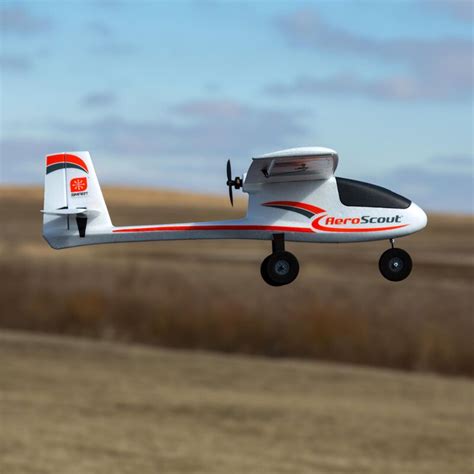
For beginners, the HobbyZone AeroScout S 1.1m is a top contender. This plane features a self-stabilizing technology, making it ideal for those just starting in the RC hobby. With its lightweight foam construction, it is both durable and easy to repair. The AeroScout S is perfect for newcomers who want a simple, forgiving plane to hone their flying skills before moving on to more advanced models.
3. Hangar 9 Piper Cub 15cc
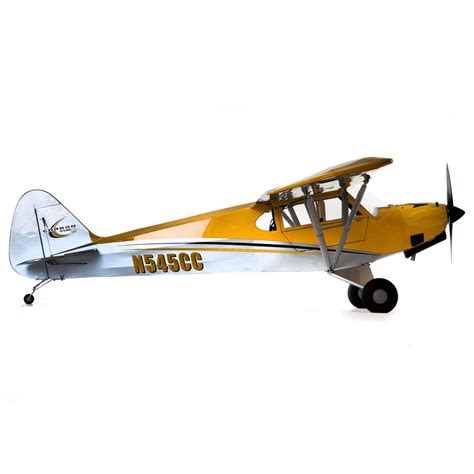
If you’re looking for a plane with a classic design, the Hangar 9 Piper Cub 15cc is an exceptional option. Made from balsa wood, this plane offers the precision and stability that experienced pilots crave. Its large wingspan provides smooth, stable flight, making it perfect for long-distance flying or relaxed flights in calm conditions. This plane is ideal for enthusiasts who appreciate the craft of building and maintaining a high-quality, wooden model.
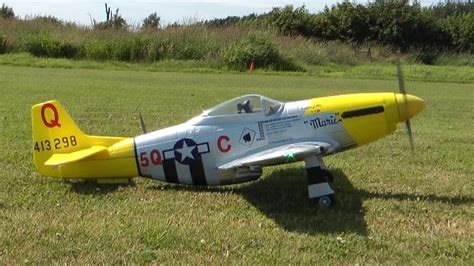
4. FMS P-51D Mustang 1400mm
For those interested in scale models and military planes, the FMS P-51D Mustang offers a realistic flight experience. This foam plane is designed with precision in mind and includes details such as retractable landing gear and scale-like flight characteristics. The P-51D Mustang is great for intermediate pilots who enjoy performing aerobatics and engaging in high-speed maneuvers.
Choosing the Best RC Plane for Your Skill Level
The best flying RC plane depends on the pilot’s experience level and flying goals. Beginners typically benefit from planes that are easy to handle and forgiving in the air, such as foam planes or Stik designs. These planes are usually more durable and cost-effective, making them ideal for newcomers still honing their skills.
Intermediate and advanced pilots, on the other hand, often prefer planes with greater precision and control, such as balsa wood planes or larger models that offer superior stability in challenging conditions. These planes tend to be more expensive and require more maintenance but provide the kind of performance that more experienced pilots seek.
Ultimately, the best flying RC plane is one that fits your specific needs, whether you’re looking for a beginner-friendly plane or a high-performance model. Keep in mind that factors like stability, material, and size will play a large role in your flying experience. Choose wisely, and you’ll enjoy hours of thrilling flights!