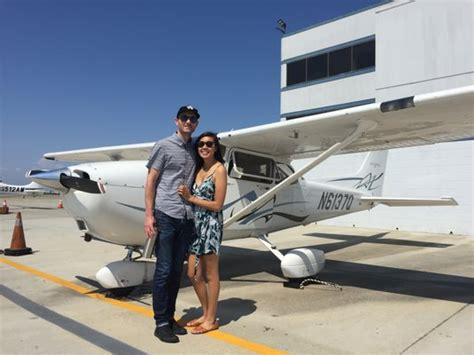
Starting your Private Pilot License (PPL) journey in Southern California comes with an enviable advantage: abundant sunshine, vibrant aviation communities, and a wealth of flight schools. But with choice comes dilemma—especially when it’s between two of the region’s best-known institutions: Long Beach Flying Club (LBFC) and Pacific Air Flight School. While both have their merits, making the right choice depends on a careful evaluation of aircraft availability, instructor quality, operational flexibility, and pricing. Here’s our comprehensive look.
The Flight Training Landscape in SoCal
Southern California’s airspace is among the busiest in the country. The proximity to Class B and Class C airports, the presence of a diverse fleet, and varied weather patterns provide aspiring pilots with valuable real-world training. However, these same conditions demand high-quality instruction and well-maintained aircraft. That’s where LBFC and Pacific Air come into play.
Long Beach Flying Club: Legacy, Affordability, and Access
LBFC is considered a staple in the Long Beach (KLGB) aviation community. Known for its affordability and long-standing presence, LBFC appeals to students looking to balance cost with consistent training opportunities.
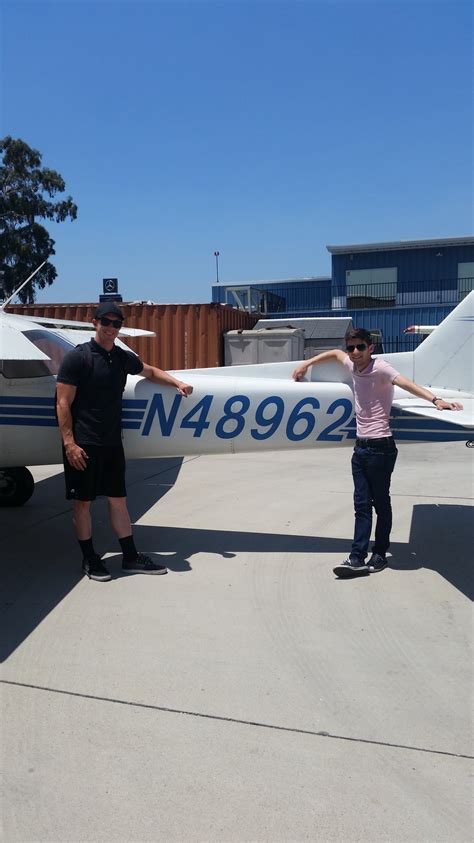
The club has built its reputation on three key pillars:
- Competitive Pricing: LBFC is widely recognized as one of the most cost-effective options in the SoCal area. Pilots routinely praise its transparent hourly rates, especially for aircraft rental.
- Fleet Variety: Though not flashy, the aircraft are mechanically sound and reliable. The fleet may not win cosmetic awards, but it delivers where it matters: airworthiness and safety.
- Instructor Availability: With a sizeable roster, students often find it easier to book lessons, even during peak hours.
Members also appreciate the operational flexibility and access to 25R, a longer and less congested runway that helps reduce time wasted on the ground.
Pacific Air Flight School: Modern Training, Boutique Experience
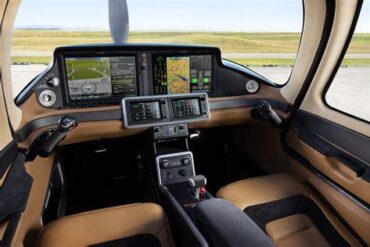
Pacific Air Flight School, by contrast, presents itself as a boutique-style training facility, placing emphasis on quality over quantity. The school’s standout feature is its modern, upgraded fleet, often including G1000-equipped Cessna 172s, a NAV II model, and even a Mooney for more advanced instruction.
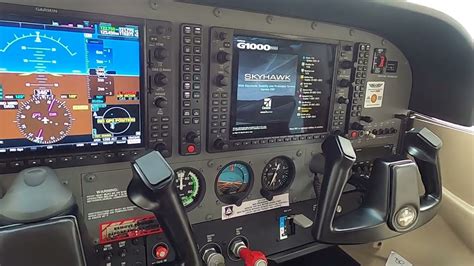
Although smaller in scale, Pacific Air makes up for it in personal attention and aircraft quality. Students who value advanced avionics and newer interiors will find Pacific Air particularly attractive.
However, there are a few operational caveats:
- Limited Redundancy: With only one of each aircraft model, a scheduled maintenance session could disrupt training continuity.
- Instructor Pairing: Students often develop a closer, more personalized relationship with instructors due to the smaller team size, which can be beneficial for learning styles that favor consistency.
Aircraft Fleet Comparison
A core deciding factor for many students is the fleet composition and availability.
Long Beach Flying Club:
- Multiple aircraft of each type (including Cessna 152s and Cessna 172s)
- Prioritizes redundancy, allowing seamless aircraft substitution
- Utilitarian interiors but solid maintenance history
Pacific Air Flight School:
- Modern avionics like Garmin G1000
- Well-maintained but fewer total aircraft
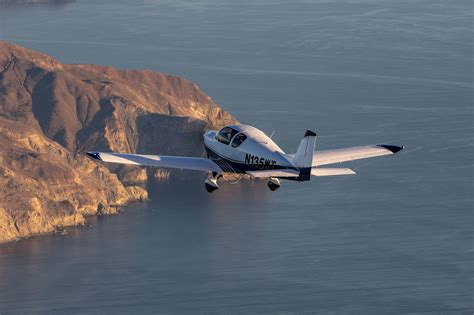
- Additional offerings like the Mooney, which introduces complex aircraft training
Instructor Quality and Student Fit
No matter how good the airplanes or the location, instructor compatibility is the linchpin of a successful flight training journey. This is where anecdotal accounts become essential.
LBFC instructors come from a variety of backgrounds. Some are career instructors; others are building hours toward commercial gigs. The club encourages students to meet multiple CFIs before settling. It’s a large operation, so variety is baked in.
Pacific Air, being smaller, often offers fewer choices but more depth in rapport. Students frequently train with the same instructor throughout, creating continuity that some learners thrive on.
Runway and Airspace Considerations
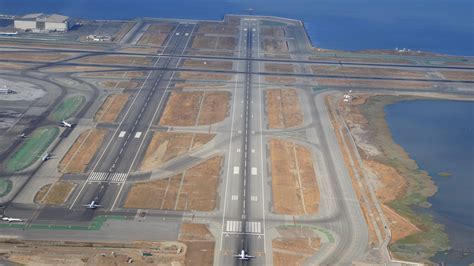
Both schools operate out of KLGB, but their location within the airport affects runway selection, traffic patterns, and taxi time.
LBFC, located on the south side, typically uses the busier 25L. But instructors and students with flexibility often opt for 25R, which is less congested, saving time and minimizing delays.
Pacific Air’s location on the north side of KLGB allows quicker access to less busy runway sections, making ground operations more efficient. This small detail can make a significant difference during peak traffic hours.
Pricing Transparency and Budget Planning
Flight training isn’t cheap, and the costs can vary widely depending on your consistency, weather delays, and aircraft availability. But initial rates provide a useful benchmark.
- LBFC: Often cited as having the lowest hourly rental rates in the SoCal region. Their model is structured for maximum affordability, making it appealing to long-term students.
- Pacific Air: While slightly more expensive, the pricing includes access to modern avionics, potentially reducing total training time due to system efficiencies.
If you’re pursuing an Instrument Rating after your PPL, the availability of IFR-certified aircraft (like Pacific Air’s G1000) can be a major cost-saving over time.
Community and Club Culture
Training is more than flight hours—it’s also about being part of a community that encourages growth. LBFC has the advantage of history and scale. There’s a rotating group of students, private pilots, and renters who share knowledge and occasionally organize group flights and safety seminars.
Pacific Air, while more intimate, offers a focused vibe. There’s less chatter and more structure, which some students prefer. However, it may lack the social depth that larger clubs like LBFC naturally foster.
Aircraft Maintenance and Uptime
One frequent theme among flight students is the unpredictability of aircraft maintenance and how it affects their training timeline.
LBFC’s strength lies in its larger fleet, allowing students to switch between aircraft if one goes down. Pacific Air, while known for its immaculate maintenance, is more vulnerable to schedule disruption due to its limited redundancy.
One user noted that Aces High, a third-party operator on the field, also offers newer aircraft and was started by ex-LBFC staff. They’ve introduced newer instructional options, further diversifying choices for SoCal students.
Long-Term Plans: Buying a Plane?
Some PPL students transition into ownership, and both flight schools offer mentorship on aircraft buying. Instructors often guide students through checklists, pre-buys, and hangar availability.
One commenter noted success tying down their aircraft at Torrance, with future plans for Hawthorne or Compton. It’s worth noting that not all airports offer night ops or instrument approaches, something critical for advanced training.
Final Verdict: Which One is Right for You?
Choosing between LBFC and Pacific Air comes down to your personal priorities:
- If your goal is affordable, flexible, and fast-track flight training, Long Beach Flying Club offers unbeatable value.
- If you care more about modern avionics, personal instructor relationships, and aircraft aesthetics, Pacific Air Flight School will feel like a premium experience.
Ultimately, both schools operate in the rich aviation environment of Long Beach, but their philosophies diverge. One focuses on scale and accessibility; the other on precision and modernity. We recommend visiting both, meeting instructors, and even doing a discovery flight at each to see what feels right.
Your PPL journey is an investment—not just in money, but in mindset and discipline. The school you choose will help shape your future as a pilot. Make the choice that not only fits your goals but inspires you to soar higher.