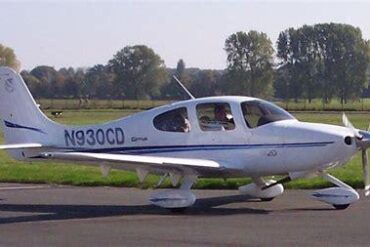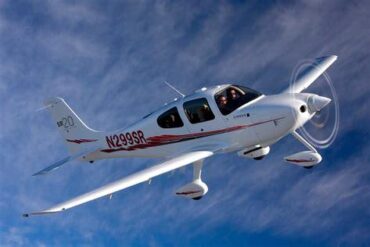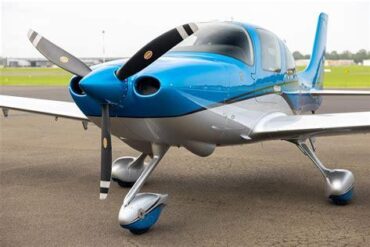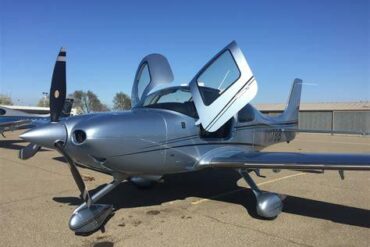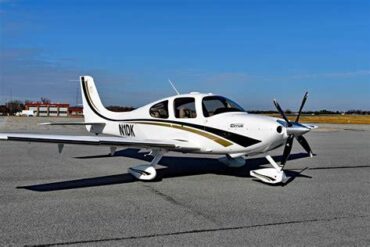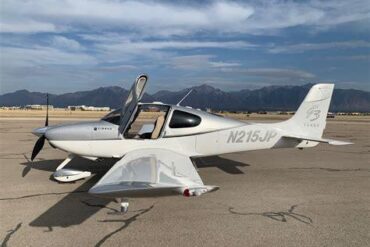
Aspiring pilots eyeing the Cirrus Vision Jet often find themselves at a crucial crossroads early in their aviation journey: Should they begin training in the SR20 G7 or go directly to the SR22 G7? This question isn’t just about performance specs or fuel economy—it’s a complex decision involving economics, training efficiency, safety, and long-term ownership strategy. Based on extensive feedback from Certified Cirrus Instructors (CSIPs), aircraft owners, and industry insiders, we break down the best path to the Vision Jet through the lens of SR20 G7 and SR22 G7 ownership.
Understanding the Initial Training Path Toward a Vision Jet
The route to owning and flying a Cirrus Vision Jet starts with obtaining a Private Pilot License (PPL), usually requiring 50–65 hours of flight time. Many advisors recommend completing this training in a Cirrus SR20 or SR22 G7, ideally at a Cirrus Training Center. Afterward, pilots are encouraged to pursue an Instrument Rating—again, ideally in the same airframe—to strengthen their flight capabilities and align their experience with Cirrus avionics.
For those with long-term aspirations like the Vision Jet, there’s also the opportunity to purchase a Cirrus SR20 or SR22 G7, fly it for two years while logging the required 300 hours, and sell it with minimal depreciation—an approach that many entrepreneurial pilots find financially and logistically attractive.
SR20 G7: Simplicity, Safety, and Training Confidence
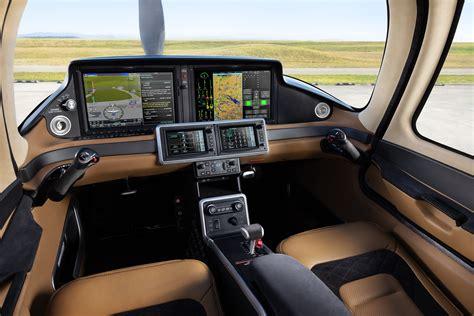
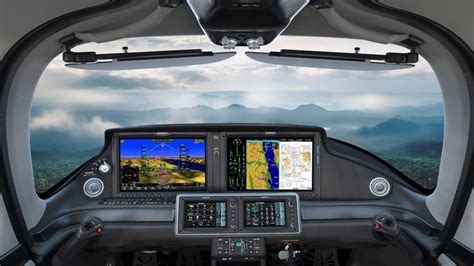
The SR20 G7 is widely acknowledged as a safer and more forgiving training platform. Powered by a Lycoming IO-390 215 hp engine, it offers enough power to challenge student pilots without overwhelming them. It features Perspective+ avionics, similar to those in the Vision Jet, allowing seamless avionics familiarity throughout the transition.
Advantages of starting in an SR20 G7 include:
- Lower operating costs, ideal for students logging heavy hours
- Lighter handling and reduced P-factor, making early maneuvers less complex
- Modern avionics identical to the SR22 and Vision Jet, creating continuity in flight experience
Several CSIPs and seasoned pilots recommend the SR20 as the optimal entry point, especially when planning to build solid stick-and-rudder skills before jumping into higher-performance aircraft.
SR22 G7: Power, Payload, and Progression Potential
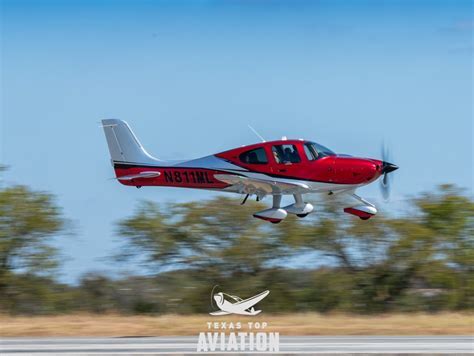
On the other end of the spectrum lies the SR22 G7, often praised for its power, payload, and mission versatility. Boasting a Continental IO-550 310 hp engine, this aircraft introduces significant performance capabilities early on, including faster cruise speeds, better climb rates, and more robust IFR utility.
The SR22 G7 becomes particularly appealing for:
- Pilots planning long-distance missions or family flights
- Those who want to reduce transition time to the Vision Jet
- Buyers seeking better resale value and stronger long-term ownership economics
However, the aircraft also introduces challenges. Many instructors warn that the SR22’s higher horsepower can be intimidating for beginners. Left-turning tendencies during go-arounds have historically led to pilot error crashes, and training in this platform demands more precision and proficiency from day one.
Buy vs Rent: What’s the Smart Financial Move?
While renting is the conventional route for early-stage pilots, there’s a compelling case to be made for purchasing a Cirrus early—particularly a G7 model, which retains value well. One buyer estimated only 5% depreciation over two years on a G7 SR20 or SR22, compared to steep hourly rental costs ($500+/hr wet with CFI). Notably:
- SR22 G7 units from 2023 with 500+ hours have sold above original prices due to recent Cirrus pricing hikes
- A used G3 may be more cost-effective in depreciation terms, but lacks the warranty protection and latest avionics of newer models
- Warranty coverage on new aircraft provides peace of mind during high-hour training periods
Some experts suggest a lease-back strategy—buying a Cirrus and leasing it to a local flight school—could offset ownership costs. Yet this requires careful planning and insurance consideration, particularly for low-time pilots.
Training Strategy: Should You Start with Legacy Trainers?
A number of aviation professionals still advocate beginning with classic trainers like the Cessna 172 or Piper Warrior, citing the value of learning pure stick-and-rudder skills before transitioning to TAA (Technically Advanced Aircraft) like the Cirrus line. They argue that:
- Old-school aircraft force pilots to manually manage everything, reinforcing key airmanship foundations
- Cirrus aircraft are automation-heavy, and can risk “button-pushing” habits if foundational skills are lacking
- Budget-friendly options like the 172 cost around $185/hr, compared to ~$285/hr for a used G3 SR20
Others challenge this view, noting that early exposure to Cirrus avionics prepares pilots better for the glass cockpit environment of the Vision Jet. With the right CFI, many students have successfully completed PPL directly in SR22T G6/G7 models.
Performance and Practicality: SR20 vs SR22 in Mission Readiness
From a technical perspective, the SR22 offers:
- ~450 lbs more useful load
- Greater fuel capacity and range
- Superior high-altitude performance
Interestingly, when flown at 40% power and leaned to ~10 GPH, the SR22 can mimic the flight characteristics of the SR20 or even a C172. But the reverse isn’t possible—an SR20 simply can’t replicate the mission capabilities of its big brother.
This makes the SR22 a more future-proof investment if your training hours will eventually support missions beyond the PPL and IFR checkrides.
Insurance and Risk Management for Low-Time Pilots
Owning an aircraft as a student pilot introduces significant insurance complexities. Policies for low-time Cirrus owners can be steep, and many insurers hesitate to underwrite new pilots in SR22s. Conversely, renter’s insurance is more affordable and flexible, allowing newcomers to fly without a large upfront premium.
That said, if you’re prepared to work with a specialized aviation CPA and understand the depreciation-recapture implications, the buy-train-sell path remains a viable and strategic choice. Just be aware of potential downtime due to maintenance logistics, especially on older aircraft.
Training with Purpose: Aligning Platforms with Final Goals
A recurring theme in the aviation community is the importance of consistency in avionics and workflow. Training on G7 aircraft builds familiarity with systems nearly identical to those in the Vision Jet, creating efficiencies during every certificate phase.
One proposed training roadmap includes:
- Step 1: Rent or lease a legacy trainer (Warrior/172) to get your PPL at lowest cost
- Step 2: Buy an SR20 for 200 hrs, complete IFR and possibly commercial training
- Step 3: Transition to an SR22T G7 for advanced mission-based flying
- Step 4: Upgrade to the Vision Jet when ready, with experience and proficiency in hand
This staggered approach balances cost control, skill development, and aircraft familiarity, while keeping safety and mission profile aligned with long-term goals.
Final Verdict: Which Cirrus is Right for You?
Choosing between the SR20 G7 and SR22 G7 isn’t just a matter of horsepower or price—it’s a function of how you want to grow as a pilot, how much you’re willing to spend upfront, and how soon you expect to command a Cirrus Vision Jet.
The SR20 G7 is a fantastic training aircraft, offering forgiving handling, modern avionics, and economic operation—perfect for those who want to ease into aviation with safety and control. Meanwhile, the SR22 G7 is the logical step-up for pilots eager to fast-track their progression or log more purposeful hours with full passenger load, greater range, and stronger resale demand.
For most, a balanced approach—starting with the SR20 or a legacy trainer and progressing to the SR22—offers the best of both worlds. But with Cirrus aircraft, one constant remains: every hour you fly is an investment not just in your journey—but in your safety, capability, and confidence as a pilot.