The Enduring Legacy of the Cessna 172 Skyhawk
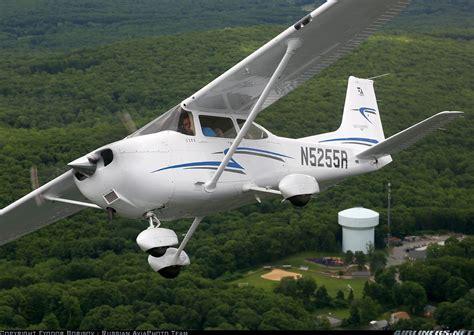
Few names in general aviation resonate as profoundly as the Cessna 172 Skyhawk. Introduced in 1956, this high-wing, single-engine aircraft quickly rose to dominance, becoming the most-produced aircraft in history with over 44,000 units built. Its exceptional reliability, forgiving flight characteristics, and ease of maintenance have made it a staple of flight schools, private owners, and military institutions worldwide.
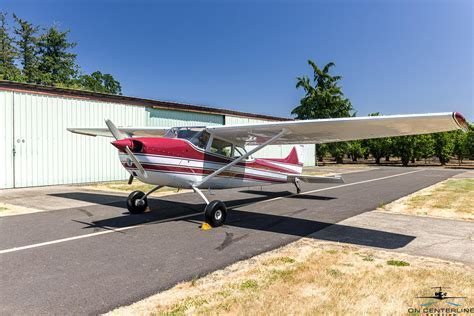
The Skyhawk’s genesis traces back to the venerable Cessna 170, a taildragger design that proved highly popular in the early 1950s. In January 1955, Cessna engineers modified a 170C airframe, incorporating a tricycle landing gear, larger elevators, and an angular fin, creating a prototype that would soon make aviation history. When the first modified aircraft flew on June 12, 1955, it signaled the arrival of a new era in personal flying.
Pioneering Design and Development of the Cessna 172
The original production Cessna 172 featured a Continental O-300-A engine producing 145 horsepower. It introduced the “Land-O-Matic” landing gear, a signature tricycle setup that made ground handling significantly easier for novice pilots. By the end of the first full production year in 1956, over 1,400 aircraft had rolled off the assembly line, signaling robust demand.
In 1960, Cessna introduced the 172A, featuring a swept-back tailfin and floatplane certification, which broadened the aircraft’s versatility. The 1963 172D offered a significant aesthetic and functional redesign with its lowered rear deck and the introduction of the wraparound ‘Omni-Vision’ rear window, vastly improving pilot visibility.
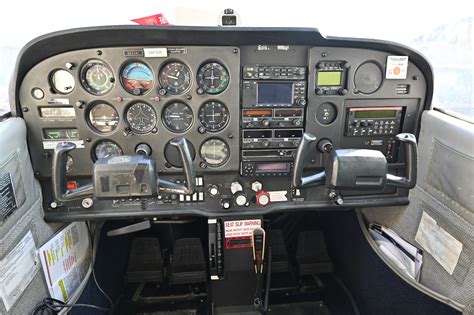
Production of the Skyhawk was interrupted between 1986 and 1996 due to changing economic conditions and liability concerns. However, when Cessna resumed production with the 172R model in 1996, the aircraft returned stronger than ever, featuring a 160-hp Lycoming IO-360-L2A fuel-injected engine, upgraded interiors, and contemporary avionics options.
Continuous Improvements: A Timeline of Progress
Throughout its history, the Cessna 172 underwent numerous refinements, each responding to technological advancements and market demands:
- 1960 (172A): Introduction of the swept-back tail and floatplane capabilities.
- 1963 (172D): “Omni-Vision” window added with a lowered rear deck.
- 1968 (172I): A major performance upgrade with the 150-hp Lycoming O-320-E2D engine.
- 1973–1976 (172M–N): Debut of the Camber-Lift wing and enhancements under the Skyhawk II branding.
- 1981–1984 (172P–Q): Further improvements including gross weight increases and the “Cutlass” variant.
- 1996–Present (172R–S): Return to production with fuel-injected engines and advanced glass cockpits.
Each major revision kept the Skyhawk at the forefront of light aviation, ensuring its continued relevance over decades.
Technical Innovations and Modifications
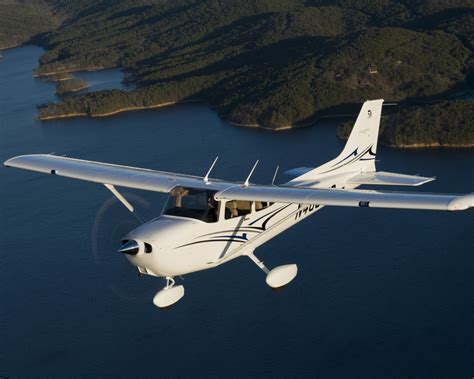
The Skyhawk’s enduring appeal also stems from its adaptability. Numerous Supplemental Type Certificates (STCs) have permitted owners to tailor their aircraft to specific needs. Modifications include:
- Engine uprates up to 210 horsepower.
- Installation of constant-speed propellers.
- Approval for automotive gasoline usage.
- Addition of wingtip and baggage tanks.
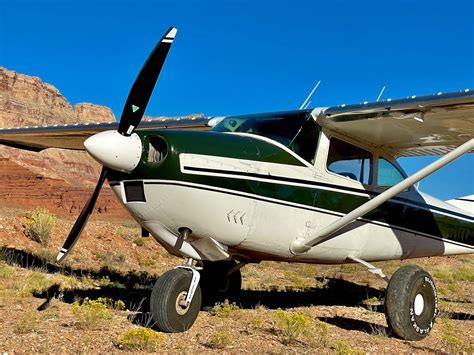
- Short Takeoff and Landing (STOL) kits.
- Retrofitting with Superior Air Parts Vantage fuel-injected engines.
These modifications underscore the Cessna 172’s flexibility, capable of meeting the demands of backcountry flying, endurance record attempts, and everything in between.
Operational Milestones: Records and Achievements
One of the most famous exploits involving the Cessna 172 occurred between 1958 and 1959, when pilots Robert Timm and John Cook embarked on an extraordinary endurance flight. Flying a modified Cessna 172 (N9172B), they remained airborne for an astonishing 64 days, 22 hours, 19 minutes, and 5 seconds, covering approximately 150,000 miles over the deserts of Nevada.
Their endeavor raised funds for the Damon Runyon Cancer Fund and demonstrated the Skyhawk’s unmatched durability and reliability.
Variants: The Many Faces of the Skyhawk
The Skyhawk family includes an impressive range of variants tailored for different missions:
- 172 (1956): Original model with 145 hp Continental O-300-A.
- 172A–F (1960–65): Progressive design enhancements, leading to the USAF T-41A Mescalero trainer.
- 172G–L (1966–71): Introduction of new engine configurations and structural upgrades.
- 172M–N (1973–79): Debut of the Camber-Lift wing and Skyhawk/100 branding.
- 172P–Q (1981–84): Focus on increased gross weight and introduction of the Cutlass version.
- 172R–S (1996–present): Return of production with modern engines and digital avionics.
Special mentions include the R172 Hawk XP, offering 210 hp for enhanced performance, and the 172RG Cutlass RG, featuring retractable landing gear and a 180 hp engine for more advanced pilot training.
The Military Role of the Cessna 172
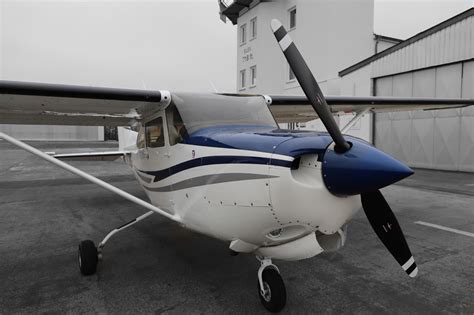
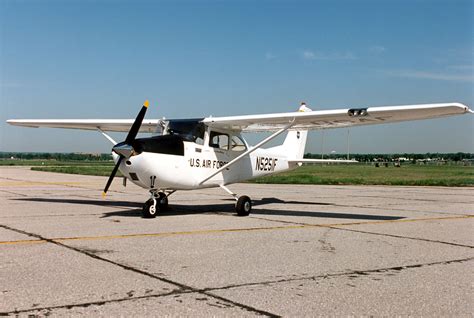
Beyond civilian use, the Skyhawk found favor among military organizations. The US Air Force and US Army operated it under the T-41 Mescalero designation for pilot training. Other countries such as Ireland, Austria, Bolivia, and Chile utilized the aircraft for surveillance, liaison, and training missions.
The Skyhawk’s simplicity, reliability, and low operating costs made it ideal for training cadets who would eventually transition to more complex aircraft.
Challenges and Tragedies: A Look at Notable Accidents
Despite its robust reputation, the Cessna 172 has not been immune to aviation tragedies. Key incidents include:
- 1964: Deaths of baseball player Ken Hubbs and boxer David Box in separate crashes.
- 1969: Famed boxer Rocky Marciano perished in a Skyhawk crash.
- 1978: A 172 collided mid-air with PSA Flight 182 in San Diego, highlighting the need for better airspace management.
- 1987: Mathias Rust made headlines by flying a 172 into Moscow’s Red Square, exposing lapses in Soviet air defenses.
- 2002: Charles Bishop crashed a stolen Skyhawk into a Tampa office building.
- 2024: A Cessna 172 collided with a Dash 8 in Nairobi.
Each of these events had profound impacts on aviation policy and safety awareness.
The Cessna 172R: A Modern Benchmark
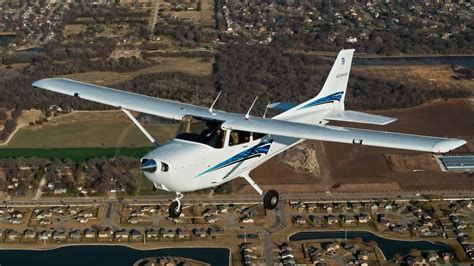
The Cessna 172R represents the modern evolution of the Skyhawk lineage. Its key specifications include:
- Crew: 1
- Capacity: 3 passengers + 120 lb baggage
- Dimensions: Length 27′2″, Wingspan 36′1″, Height 8′11″
- Wing Area: 174 ft²
- Weights: Empty 1,691 lb, Max gross 2,450 lb
- Fuel Capacity: 56 gallons (52 usable)
- Powerplant: Lycoming IO-360-L2A, 160 hp
- Propeller: 2-bladed fixed pitch
- Performance: Cruise 122 knots, Stall 47 knots, VNE 163 knots, Range 696 nautical miles, Service ceiling 13,500 feet, Climb rate 721 ft/min
- Avionics: Optional Garmin G1000 integrated flight deck
These specifications reflect a perfect balance between performance, efficiency, and modern technology.
Cancelled and Experimental Versions
Not all Cessna 172 initiatives met with success. The J172T Turbo Skyhawk JT-A, introduced in 2015 with a 155-hp diesel engine and an 885-nautical-mile range, was discontinued in 2018 due to market realities.
Earlier, Cessna had experimented with an electric prototype in collaboration with Bye Energy between 2010 and 2012, though it never reached production. Another effort, the 172TD Skyhawk TD planned with a Thielert Centurion diesel engine, was canceled in 2013, evolving later into the JT-A program.
Why the Cessna 172 Remains Unmatched
The Cessna 172 Skyhawk is more than just a ubiquitous light aircraft; it is a symbol of accessibility, reliability, and the democratization of flight. Its simple yet effective design, coupled with continuous improvements and the ability to adapt to changing technological landscapes, ensures its place in aviation history is secure.
From flight schools to military institutions, from private adventures to historic record-setting flights, the Skyhawk has proven itself time and again. As it continues to train new generations of pilots and inspire dreams of flight, the Cessna 172 remains a cornerstone of aviation’s rich and enduring legacy.