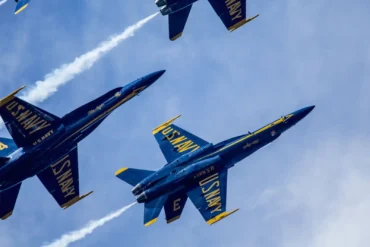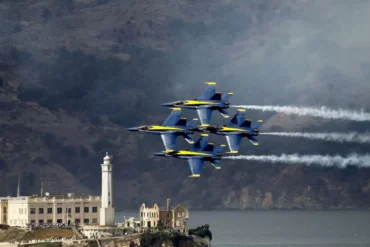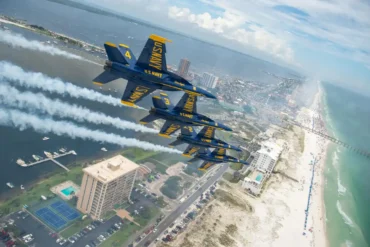
The Blue Angels have always represented more than raw military power. As the U.S. Navy’s premier flight demonstration squadron, their mission has never been to prove which aircraft is fastest or most heavily armed. Their job is to inspire crowds, showcase naval aviation skill, and turn advanced machines into breathtaking theater. That is exactly why the team made the surprising decision to replace the mighty F-4 Phantom II with the much smaller A-4 Skyhawk in the 1970s.
At first glance, the move looked backward. The F-4 Phantom II was one of the most respected fighter jets of its era. It had twin engines, enormous thrust, and a combat reputation forged in the skies over Vietnam. With speeds exceeding 1,400 miles per hour, the Phantom was a symbol of American airpower. It was aggressive, loud, and visually imposing. Many assumed it would remain the perfect Blue Angels aircraft for years.
But air shows are not combat missions. A demonstration team needs an aircraft that can perform gracefully in front of spectators, especially at lower altitudes where precision and visibility matter most. In that environment, speed alone becomes less important than responsiveness, turning radius, and elegance in motion.
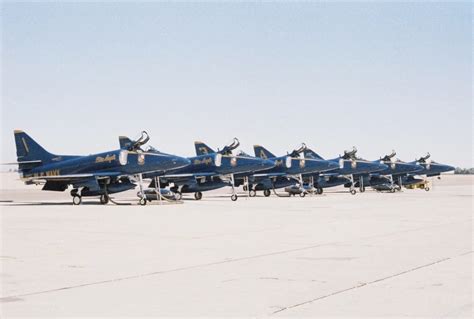
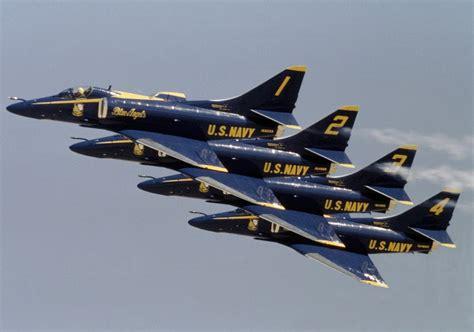
By 1974, the Blue Angels transitioned to the Douglas A-4 Skyhawk, and the reasons were practical as much as spectacular. The Skyhawk was smaller, lighter, and far more agile than the Phantom. That combination allowed pilots to fly tighter formations and execute sharper maneuvers that were easier for audiences to follow from the ground.
Why the A-4 Skyhawk Was Better for Demonstrations
The size difference between the two jets tells the story. The F-4 Phantom II measured more than 58 feet long with a wingspan over 38 feet. Loaded with fuel, it weighed roughly 58,000 pounds. The A-4 Skyhawk, by contrast, was just over 40 feet long, with a wingspan of 27 feet and a loaded weight near 24,500 pounds.
That dramatic reduction in mass transformed the flying experience. The Skyhawk could roll quicker, change direction faster, and carve tighter turns. For demonstration flying, those traits are gold. Spectators do not judge an air show by top speed numbers. They remember close passes, synchronized loops, opposing solos, and aircraft that seem to dance through the sky.
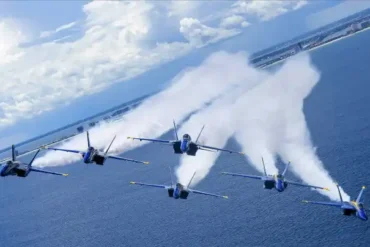
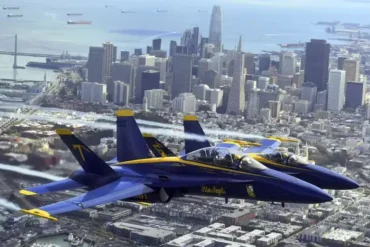
The A-4’s compact design also made formation flying visually cleaner. When six aircraft move in close proximity, a smaller silhouette creates a sharper and more precise presentation. Every movement appears more deliberate, and spacing between jets looks even more dramatic.
Entertainment Value Over Raw Performance
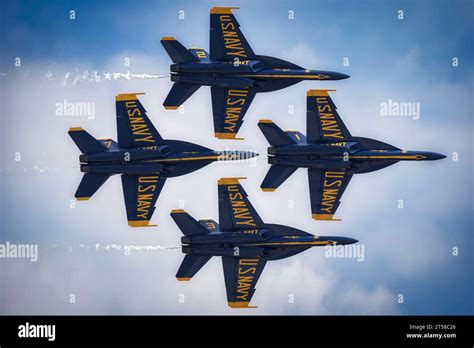
The Blue Angels understood a truth many aviation fans overlook: the best combat aircraft is not always the best show aircraft. The Phantom was a powerhouse built for war. The Skyhawk was nimble, compact, and crowd-friendly.
That switch proved successful. The A-4 era became one of the most beloved chapters in Blue Angels history, lasting more than a decade. It demonstrated that performance is about purpose. In battle, speed and power dominate. At an air show, agility and beauty win every time.