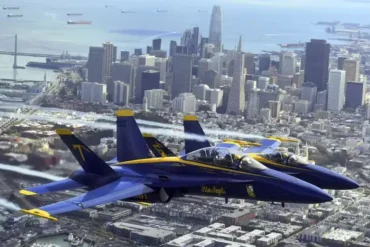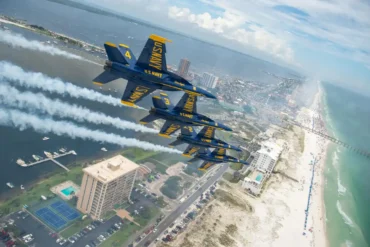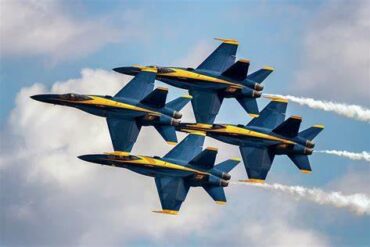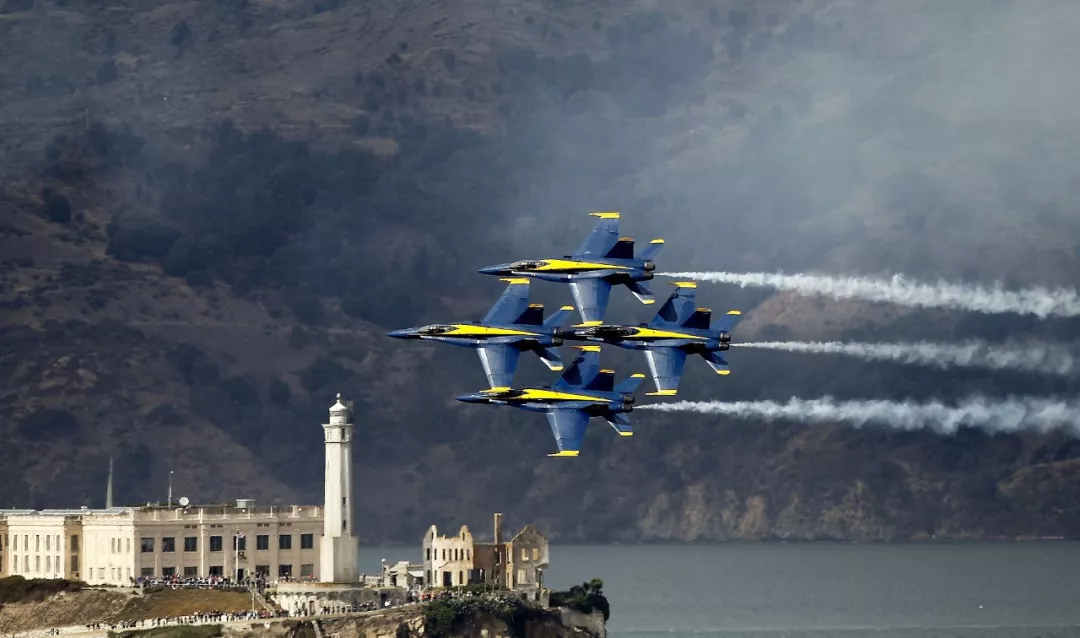
The Blue Angels, the United States Navy’s premier flight demonstration squadron, are headquartered at Naval Air Station (NAS) Pensacola in Pensacola, Florida. This location has served as their home base since the team’s official establishment in April 1946, shortly after World War II.
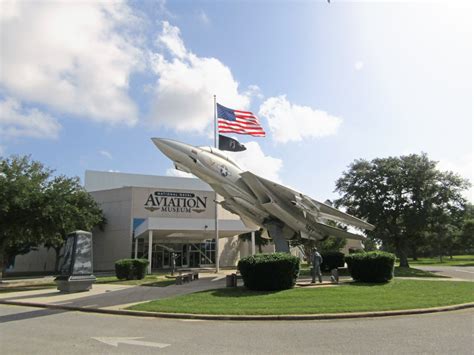
NAS Pensacola is not only the primary training and operational hub for the Blue Angels, but it is also an integral part of the Naval Aviation Training Command. The base plays a crucial role in pilot development, aircraft maintenance, and squadron readiness. It is also home to the National Naval Aviation Museum, where retired Blue Angels aircraft and memorabilia are displayed, preserving the team’s rich history and legacy.
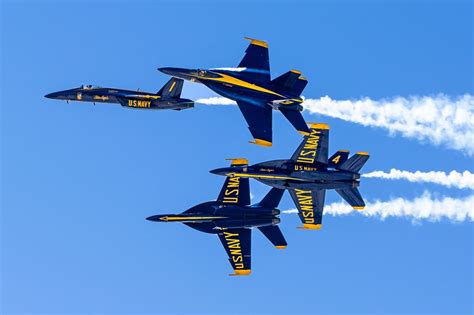
The History of the Blue Angels’ Base
The Blue Angels were created to enhance naval aviation recruitment and showcase the skill, precision, and capabilities of Navy pilots. Their first public performance took place on June 15, 1946, just months after their formation, at Craig Field in Jacksonville, Florida. While initially based in Jacksonville, the team soon relocated to NAS Pensacola, where they found a permanent home.
NAS Pensacola was selected due to its strategic location, optimal training facilities, and strong ties to naval aviation history. Over the decades, it has provided the Blue Angels with the necessary infrastructure for rigorous training and maintenance, ensuring their aircraft remain in top condition for their demanding performance schedule.
NAS Pensacola: A Hub for Naval Aviation
NAS Pensacola is known as the “Cradle of Naval Aviation,” as it serves as a key training ground for U.S. Navy and Marine Corps aviators. It offers a wide range of resources, including runways, hangars, simulation equipment, and maintenance facilities, which are essential for the Blue Angels’ operational efficiency.
The base also houses thousands of naval personnel involved in various aviation-related disciplines. Pilots and support crews undergo extensive physical, technical, and strategic training to maintain peak performance levels. Additionally, aviation mechanics, engineers, and logistics specialists play a vital role in ensuring the team operates smoothly.
Training and Operations at NAS Pensacola
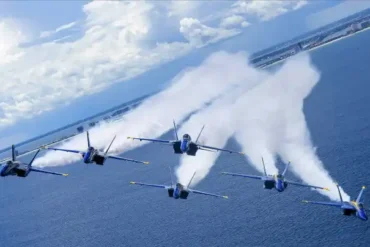
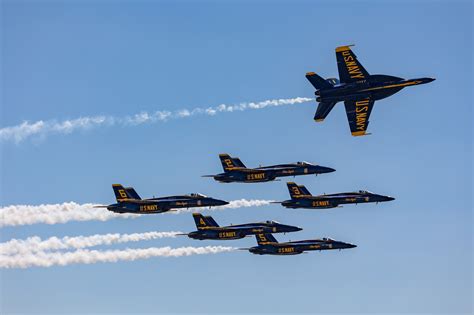
The Blue Angels follow an intensive training regimen that begins each year at NAS Pensacola. The process includes simulated combat maneuvers, formation flying, and precision aerobatics designed to enhance teamwork and coordination.
- Winter Training: The squadron relocates to Naval Air Facility (NAF) El Centro in California between January and March for intensive winter training. This location provides optimal weather conditions for perfecting new routines before the air show season begins.
- Spring & Summer: The team returns to NAS Pensacola for final preparations before embarking on their national performance schedule.
- Post-Season: At the end of the year, the Blue Angels conduct a thorough evaluation of their performance season and begin selecting new pilots and crew members.
Public Engagement and Air Shows
While NAS Pensacola serves as the Blue Angels’ home base, their performances take place across the United States. Each year, the team conducts around 70 air shows in over 30 different locations, showcasing their breathtaking aerial maneuvers to millions of spectators.
Notable air shows featuring the Blue Angels include:
- NAS Pensacola Homecoming Air Show (held annually in November)
- Sun ‘n Fun Aerospace Expo in Florida
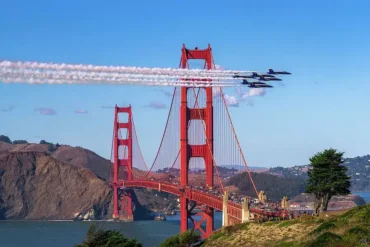
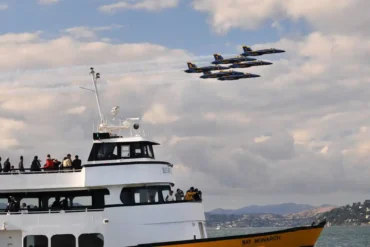
- San Francisco Fleet Week Air Show
- Chicago Air and Water Show
The Blue Angels’ presence at these events serves as an inspiration to future aviators and a symbol of naval aviation excellence.
The National Naval Aviation Museum
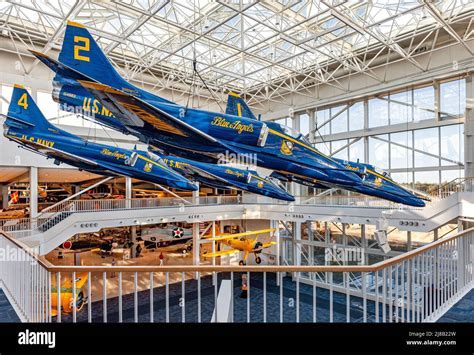
Located on NAS Pensacola, the National Naval Aviation Museum is a must-visit destination for aviation enthusiasts. This facility houses historic aircraft, flight simulators, and exhibits detailing the history of naval aviation. Visitors can view retired Blue Angels aircraft up close and learn about the team’s evolution over the decades.
Key exhibits include:
- The A-4 Skyhawk, used by the Blue Angels from 1974 to 1986
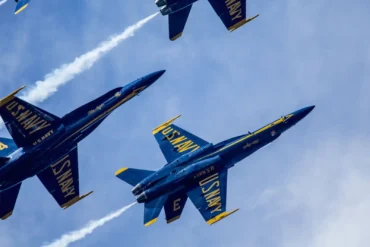
- The F/A-18 Hornet, which served as the team’s aircraft from 1986 to 2020
- Interactive displays showcasing the precision and teamwork behind each air show performance
Conclusion
NAS Pensacola remains the undisputed home of the Blue Angels, providing essential infrastructure for their training, operations, and historical preservation. This base not only supports the Blue Angels’ mission to inspire and recruit but also solidifies its reputation as a critical center for naval aviation.
Through their annual performances and community engagement, the Blue Angels continue to honor the legacy of naval aviation while thrilling audiences across the country.
Frequently Asked Questions
Where do the Blue Angels train during the winter?
The Blue Angels conduct winter training at Naval Air Facility (NAF) El Centro in California between January and March. This location provides the ideal weather conditions needed for preparing their air show routines.
Can the public visit NAS Pensacola to see the Blue Angels?
Yes, the Blue Angels conduct practice sessions at NAS Pensacola, which are open to the public on select dates. Visitors can also explore the National Naval Aviation Museum, which features Blue Angels aircraft and exhibits.
How many air shows do the Blue Angels perform annually?
The Blue Angels perform approximately 70 air shows each year in over 30 different locations across the United States, drawing millions of spectators to their breathtaking aerial displays.