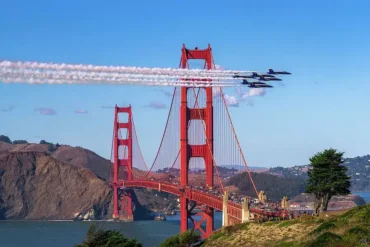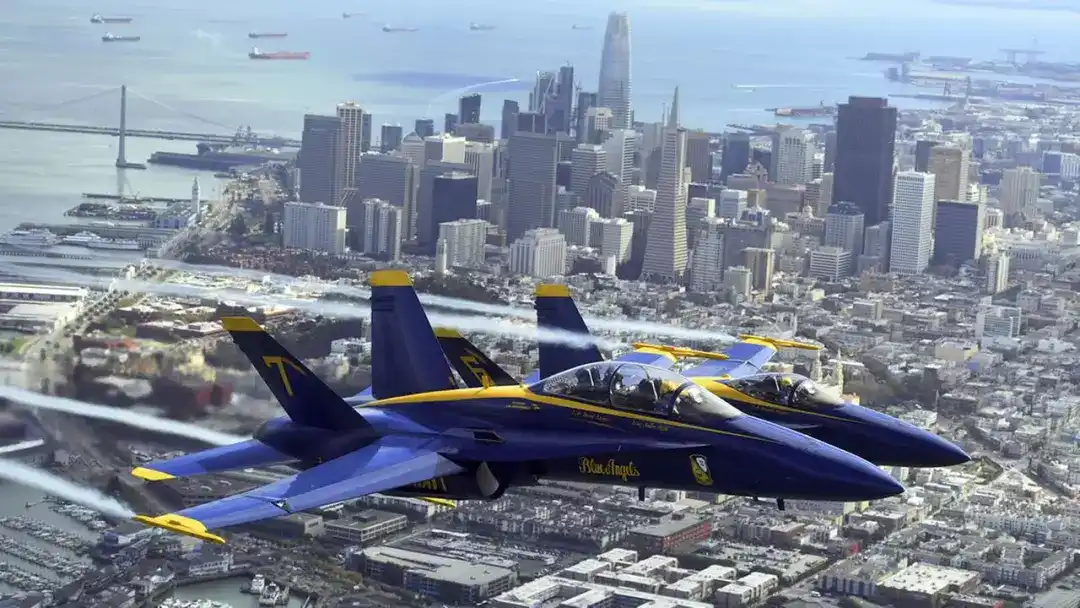
The Blue Angels are one of the world’s most elite aerobatic demonstration teams, performing high-speed, high-precision maneuvers that captivate audiences worldwide. One of the most astonishing aspects of their performances is the extreme proximity of their aircraft during formations. The level of skill, training, and precision required for these maneuvers is unparalleled, making the Blue Angels a benchmark of excellence in aerial demonstrations.
The Closest Formation: Diamond 360
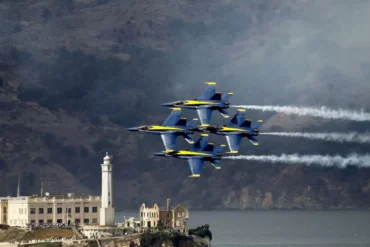
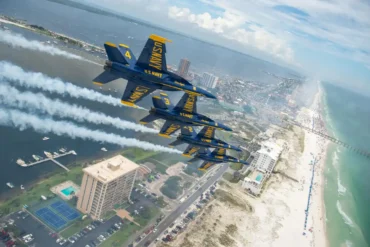
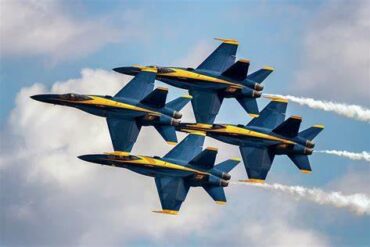
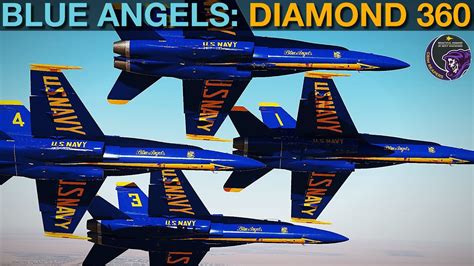
The Diamond 360 maneuver is the most famous formation showcasing the tightest aircraft spacing in Blue Angels demonstrations. During this maneuver, the four aircraft fly in a diamond shape with a staggering proximity of just 18 inches (45 cm) between wingtips.
Maintaining this razor-thin margin at speeds reaching 700 mph (1,126 km/h) requires unwavering precision and absolute coordination. Every control input must be smooth, deliberate, and perfectly synchronized, as even the slightest deviation could be catastrophic.
Factors Enabling Extreme Proximity
Achieving such an incredible level of proximity requires rigorous training, specialized aircraft modifications, and a unique operational approach. Several key factors enable the Blue Angels to fly so closely with such confidence:
1. Intensive Training Regimen
Blue Angels pilots undergo a grueling 120-hour winter training program, designed to instill muscle memory, spatial awareness, and unwavering discipline. This training is conducted in El Centro, California, where pilots refine their ability to fly in close formation under controlled conditions before performing publicly.
2. Modified Aircraft Controls
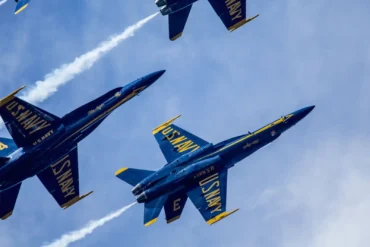
The Blue Angels fly F/A-18 Super Hornets, but their aircraft are specifically modified for precision flying. One critical modification is the increased resistance in the control stick, which prevents sudden or unintended inputs that could destabilize the formation. This ensures smoother, more controlled movements.
3. No Anti-G Suits
Unlike combat pilots, Blue Angels pilots do not wear anti-G suits. These suits automatically inflate to counteract high G-forces, but in close formations, any involuntary movement—even a slight leg pressure change—could cause dangerous control stick inputs. By relying solely on muscle control, pilots maintain a steady and controlled flight path.
Other Notable Formations and Their Spacing
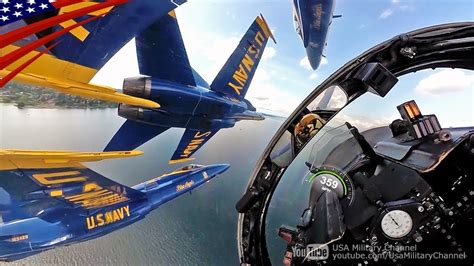
While the Diamond 360 maneuver is the closest formation, the Blue Angels also execute several other high-precision formations with varying spacing:
1. Six-Aircraft Formations
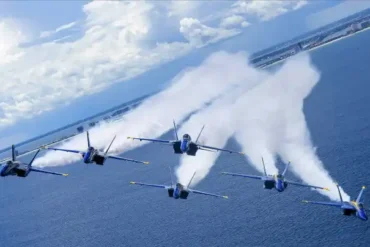
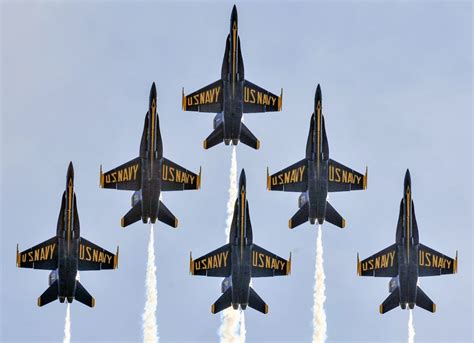
During maneuvers like the “Delta Roll” or “Wedge” formation, all six aircraft maintain a slightly larger spacing of around 3 meters (10 feet). While not as tight as the Diamond 360, this still requires extreme precision.
2. Vertical Maneuvers
For high-altitude stunts, such as loops, rolls, and crosses, the Blue Angels extend their spacing to increase safety margins. When climbing to altitudes of 15,000 feet (4,572 meters), pilots allow greater separation to account for changing airspeeds and potential wind interference.
The Risks of Flying So Close
Despite their incredible skill and safety measures, flying in such extreme proximity carries significant risks. The Blue Angels have lost 27 pilots since their founding in 1946, often due to split-second miscalculations during close-formation maneuvers.
Notable Accidents
One of the most tragic accidents occurred in 2007, when a Blue Angels pilot miscalculated altitude during a low-level maneuver, leading to a fatal crash. These incidents serve as a stark reminder of the dangers of close-formation flying and the incredible skill required to execute these maneuvers safely.
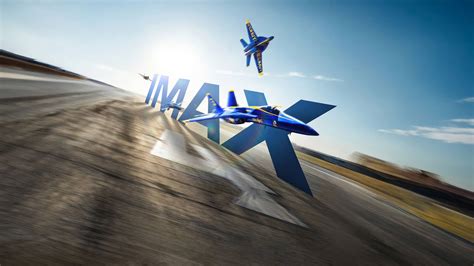
The Precision and Excellence Behind the Blue Angels
The ability to fly within inches of each other at breakneck speeds is a testament to the Blue Angels’ unparalleled teamwork, discipline, and trust. Every pilot must anticipate the slightest movements of their wingmen, relying on constant visual cues and muscle memory honed over years of rigorous training.
Their performances are not just aerial spectacles—they represent the pinnacle of aeronautical engineering, military precision, and human skill.
Frequently Asked Questions (FAQs)
How do Blue Angels pilots train to fly so close together?
Blue Angels pilots undergo over 120 hours of winter training in El Centro, California, practicing maneuvers repeatedly to develop muscle memory and formation discipline. Their extensive experience as fleet aviators before joining the team also plays a crucial role.
Why don’t the Blue Angels use combat-ready F/A-18 Super Hornets?
While the Blue Angels’ F/A-18s are the same models used by the U.S. Navy, they are modified for precision flying. The primary changes include removal of weapons systems, a modified control stick, and a smoke generator for visibility during performances.
How do Blue Angels pilots handle G-forces without anti-G suits?
Blue Angels pilots rely on a technique called “Hick maneuver”, where they use controlled muscle contractions to counteract G-forces manually. This ensures that no sudden inflation of an anti-G suit disrupts their delicate formation flying.
The Blue Angels continue to push the limits of precision flying, demonstrating the highest level of skill and discipline in modern aviation. Their ability to maintain such unbelievably close formations at high speeds remains one of the most breathtaking spectacles in the world of aviation.