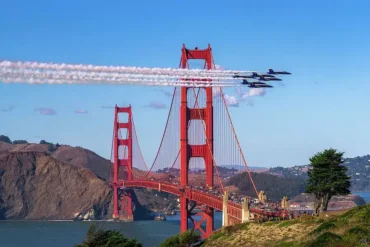
The Blue Angels, the U.S. Navy’s renowned flight demonstration squadron, has captivated audiences worldwide with their precision, skill, and daring aerial maneuvers. However, this awe-inspiring display of talent comes with inherent dangers. Since its inception in 1946, the Blue Angels have faced numerous challenges, including tragic accidents that have claimed the lives of several pilots. This article provides a comprehensive overview of the fatal crashes and deaths within the Blue Angels’ history, shedding light on the causes behind these incidents, the squadron’s high-risk environment, and the safety improvements that have been implemented over the years.
Fatalities and Crash Statistics
Since the formation of the Blue Angels, the squadron has suffered a total of 27 fatal crashes, resulting in the deaths of 26 pilots and 1 crew member. As of 2022, these tragedies highlight the extreme risks faced by Blue Angels pilots, who perform under some of the most demanding conditions in aviation.
The first fatal accident in Blue Angels history occurred in 1947, less than a year after the squadron’s formation, when Lt. Carl H. Fisher died during a demonstration. Since then, various incidents have claimed the lives of other members. In total, 26 pilots and one crew member have tragically lost their lives while performing or training for aerial demonstrations.
Major Incidents and Causes of Death
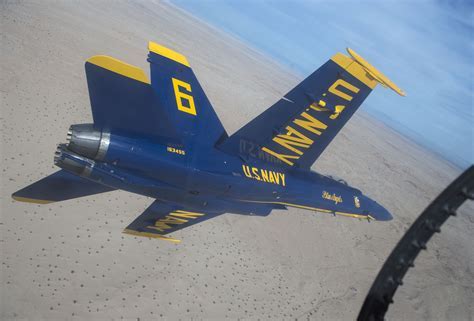
The Blue Angels fly in tightly coordinated formations that involve incredible precision, speed, and physical endurance. These maneuvers, while awe-inspiring, place pilots at significant risk. The causes of these accidents are multifaceted, with human error, fatigue, mechanical failure, and the inherent dangers of formation flying being common factors.
1. 1960s Wingtip Collision
In the early years of the Blue Angels, one of the most notable incidents occurred during a training session in New Jersey. In this accident, two Blue Angels aircraft collided mid-air when their wingtips touched. Both planes crashed to the ground, leaving only wreckage behind. Unfortunately, both pilots died on the spot. This incident was an early example of the extreme precision required in formation flying, where even the smallest mistake can be deadly.
2. 2007: The Death of Lt. Colonel Kevin Davis
A tragic incident occurred in 2007 when Lt. Colonel Kevin Davis, a seasoned pilot, crashed during a demonstration. Reports suggested that Davis, who was flying an F/A-18 Hornet, became disoriented after flying at excessive speed, causing him to temporarily lose consciousness. As a result, he failed to correct the aircraft’s trajectory in time, and the plane crashed. His parents, who were in attendance at the event, tragically witnessed the accident firsthand. This incident highlighted the dangers of G-force and the physical toll flying can have on pilots.
3. 2016: The Loss of Captain Jeff Kuss
One of the most heartbreaking accidents in Blue Angels history occurred in 2016 when Captain Jeff Kuss, a beloved member of the squadron, lost his life during a training flight in Tennessee. Kuss, who had been performing a maneuver known as the “Split S”, misjudged his speed and altitude due to fatigue from an intensive training schedule. His F/A-18 Hornet crashed, and Kuss died instantly. This accident prompted significant changes in the Blue Angels’ training program, including the introduction of mandatory rest periods for pilots to reduce fatigue-related risks.
4. 2024: The South Carolina Tragedy
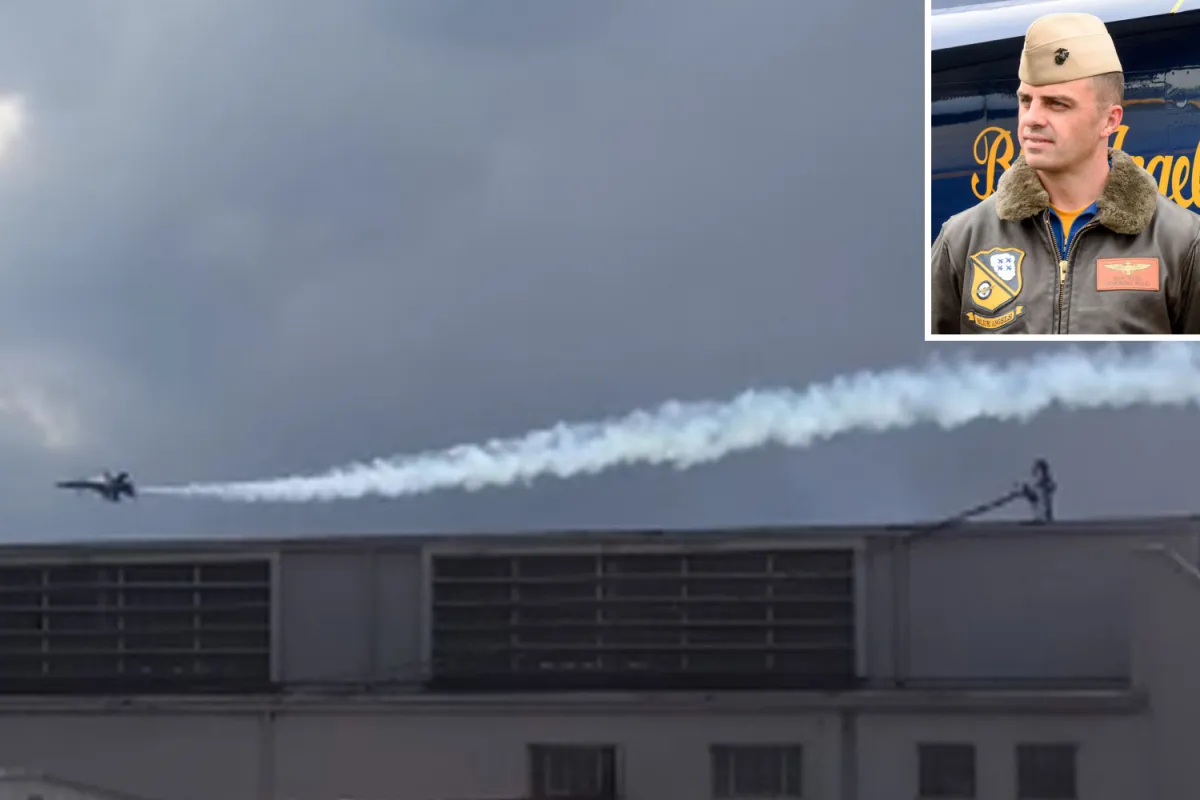
In 2024, during a demonstration at the Beaufort Air Station in South Carolina, another Blue Angels pilot tragically died after a catastrophic crash. The aircraft, an F/A-18 Hornet, lost control and crashed into the ground at high speed. The pilot was unable to eject from the plane in time to survive. This incident further reinforced the high-risk nature of the Blue Angels’ performances and the unforgiving nature of aerial stunts.
High-Risk Environment of the Blue Angels
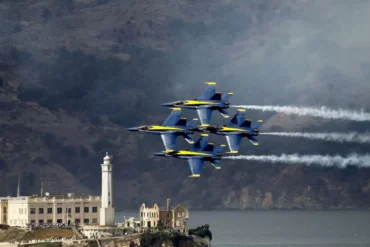
The Blue Angels are famous for their challenging aerial routines, which are performed at high speeds, close proximity, and in difficult weather conditions. The squadron is renowned for formations like the “Diamond” formation, where the aircraft fly within just 18 inches of one another. These extreme conditions significantly increase the risk of accidents.
Formation Flying: The Ultimate Challenge
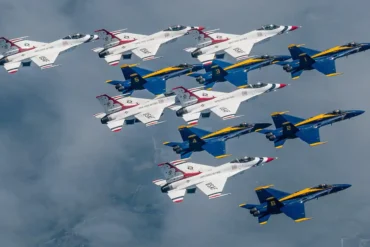
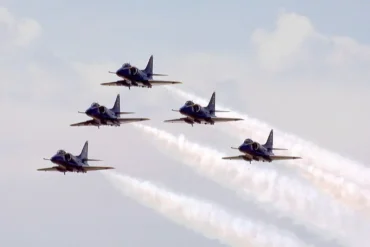
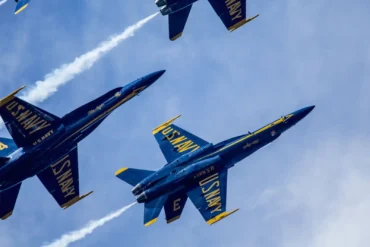
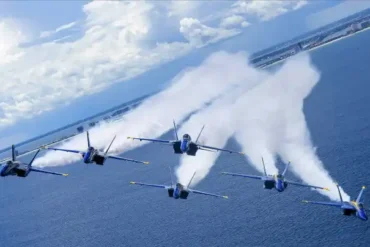
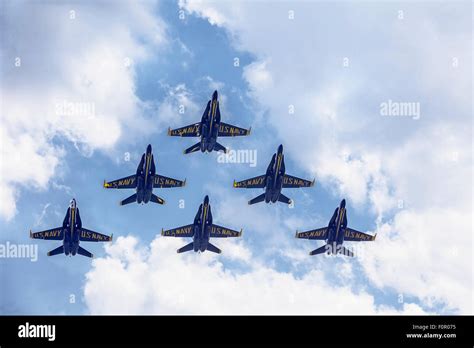
The most notable feature of Blue Angels performances is their formation flying, where pilots must maintain exact positions relative to one another, sometimes flying as close as 18 inches apart. The Diamond formation, for instance, involves four aircraft flying in close proximity, while the Delta formation includes six planes, all performing synchronized stunts at speeds exceeding 700 mph (around 1126 km/h). These maneuvers are incredibly difficult and require split-second decisions and flawless execution.
Even a small miscalculation in these formations can lead to catastrophic outcomes, as demonstrated by the incidents of mid-air collisions and crashes caused by misjudgments in altitude, speed, or positioning. Pilots face high risks from spatial disorientation, especially during complex stunts like loop-the-loops, vertical climbs, and sharp turns.
The Role of Fatigue in Accidents
Another key contributing factor to many Blue Angels accidents is pilot fatigue. Pilots often fly long hours during training and performances, pushing their physical and mental limits. The intense physical strain of flying at high speeds, combined with the stresses of maintaining complex formations, can lead to exhaustion. Fatigue has been linked to several fatal accidents in Blue Angels history, most notably the 2016 crash of Captain Jeff Kuss. Since that incident, the Blue Angels have restructured their training to ensure that pilots have sufficient rest periods to minimize fatigue-related risks.
Death Rate and Pilot Selection
The Blue Angels are considered among the best pilots in the world, but the inherent risks of aerial demonstration flying result in a historically high death rate. Based on the total number of Blue Angels pilots—fewer than 300—approximately 10% of them have died in the line of duty. While this statistic may seem alarmingly high, it reflects the extreme challenges and risks involved in performing complex aerial maneuvers in high-performance jets.
Pilots are selected for the Blue Angels based on their exceptional flying skills and experience in military aviation. They undergo rigorous testing and training, but even the most talented aviators face significant risks. The high death rate within the squadron speaks not only to the dangers of their profession but also to their commitment to excellence and bravery.
Safety Improvements and Modernization
After each fatal accident, the Blue Angels have made concerted efforts to improve safety measures and reduce the risks associated with their performances. Since the death of Captain Jeff Kuss in 2016, the squadron has implemented several key changes to their training and operational protocols:
1. Mandatory Rest Periods
To combat pilot fatigue, the Blue Angels now enforce strict rest schedules to ensure that pilots are physically and mentally prepared for their challenging routines. Training sessions are spaced out to allow for adequate recovery.
2. Training Modifications
In light of past incidents, the Blue Angels have made modifications to their training programs to reduce the risk of fatigue-related errors. The squadron has incorporated more rest days and less grueling training regimens to allow pilots to perform at their best.
3. Updated Aircraft Technology
Advances in aircraft technology have improved safety features, reducing the likelihood of mechanical failures during performances. The F/A-18 Hornet, the aircraft used by the Blue Angels, has undergone several upgrades to improve its reliability and safety.
Despite the tragic history of accidents, the Blue Angels have continued to perform at the highest level while actively working to enhance safety.
FAQs
What causes most of the Blue Angels accidents?
Most Blue Angels accidents can be attributed to human error, including misjudgments in speed, altitude, or formation positioning. Other factors include pilot fatigue and occasionally mechanical failure. The extreme precision required in formation flying makes small mistakes potentially deadly.
How does the Blue Angels’ training program help reduce accidents?
The Blue Angels have made significant changes to their training program, particularly after the 2016 crash of Captain Jeff Kuss. These changes include mandatory rest periods for pilots and a restructuring of the training schedule to reduce fatigue. Additionally, they now incorporate modern safety measures and aircraft technology to improve overall performance and minimize risks.
What is the Blue Angels’ death rate?
Based on the number of pilots who have served in the Blue Angels, approximately 10% have tragically lost their lives during their careers. This high death rate reflects the extreme risks involved in performing high-speed, precision aerial maneuvers.