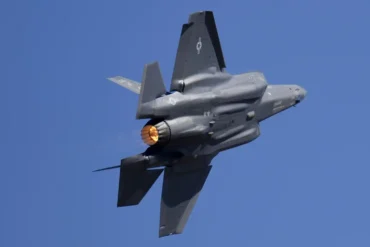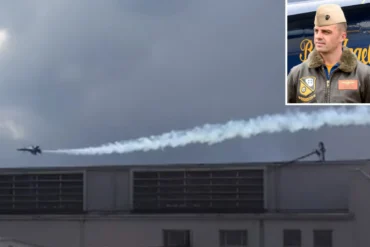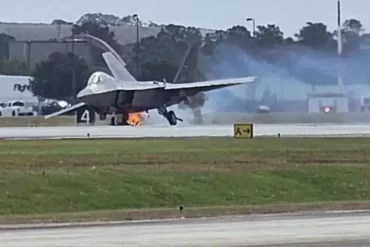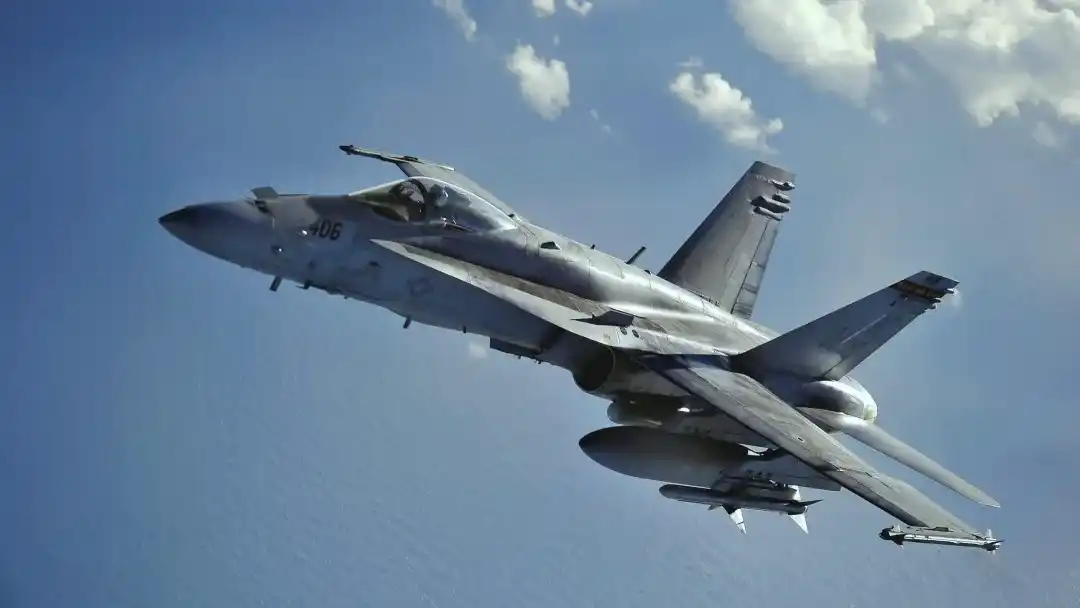
The F/A-18 Hornet and its advanced variants, such as the Super Hornet, have long been integral to U.S. and allied military air operations. However, recent accidents involving these aircraft highlight significant mechanical vulnerabilities, human errors, and systemic failures in military aviation. This article provides a detailed analysis of some of the most serious F-18 accidents in recent history, examining their causes, consequences, and the broader implications for aviation safety and operational effectiveness.
2008 San Diego Crash: Dual Engine Failure
On December 8, 2008, a U.S. Marine Corps F/A-18D suffered a catastrophic dual engine failure during a routine training flight near San Diego, California. Initially, the aircraft’s left engine malfunctioned, forcing the pilot to attempt an emergency landing. However, shortly before touchdown, the right engine also failed, leading to a deadly crash into a residential area.
Casualties and Damage:
- Four civilians killed, all members of a South Korean family.
- Five homes destroyed due to the impact and subsequent fire.
Aftermath and Investigation: A detailed investigation uncovered that structural cracks in the aircraft’s wing joints were a significant factor in the accident. In response, the U.S. Navy ordered inspections of hundreds of F-18s worldwide to prevent similar failures. The aging fleet’s structural integrity became a central focus in future maintenance protocols.
2024 Red Sea Friendly Fire Incident
One of the most alarming military aviation mishaps occurred on December 21–22, 2024, when a U.S. Navy F/A-18F Super Hornet was mistakenly shot down by the USS Gettysburg’s SM-2 missile. This friendly fire incident took place during high-stress operations in the Red Sea, underscoring vulnerabilities in Identification Friend or Foe (IFF) systems.
Cause of the Incident:
- The IFF system failed due to electronic interference from nearby radar and communication systems.
- Crew fatigue led to a breakdown in operational awareness, causing a misidentification of the F-18 as a hostile target.
Casualties:
- Both pilots successfully ejected before impact.
- One pilot suffered minor injuries.
Strategic Implications:
- Highlighted flaws in automated targeting systems.
- Raised concerns about combat readiness and protocol failures.
- Led to revisions in Navy communication and targeting safeguards.
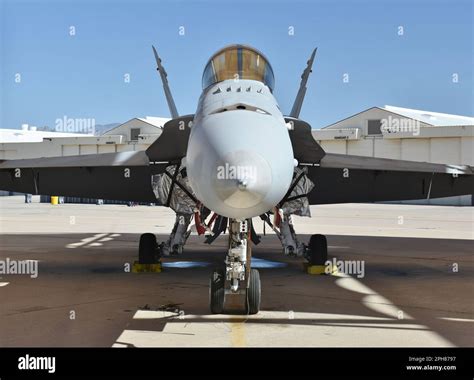
2025 Weapons Test Accident
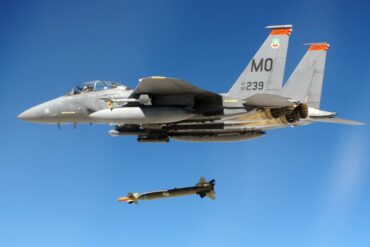
During an early 2025 weapons test, an F-18 Hornet unintentionally caused the destruction of an A-4 Skyhawk due to a high-speed aerodynamic interference phenomenon known as the Bernoulli effect.
Accident Details:
- The F-18 was performing a bomb release exercise.
- The ordnance’s trajectory was unexpectedly altered by airflow dynamics, striking the accompanying A-4 Skyhawk.
- The Skyhawk crew ejected safely, but the aircraft was completely destroyed.
Technical Insights and Improvements:
- The incident revealed the risks of close-formation flight during ordnance deployment.
- Led to the development of improved ejector rack designs to ensure safer payload separation.
- Military aviation units adjusted training protocols for weapons testing and deployment distances.
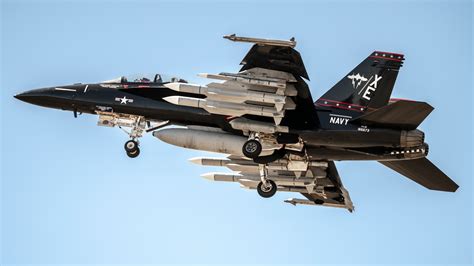
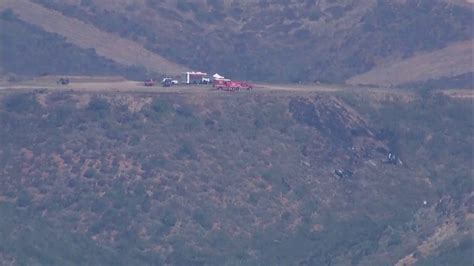
2024 Spanish Air Force Crash
On October 4, 2024, a Spanish Air Force F-18 crashed near Teruel, Spain. The precise cause remains uncertain, but investigators cited multiple potential factors.
Possible Causes:
- Technical malfunctions related to avionics or flight controls.
- Adverse weather conditions affecting pilot response time.
- Human error, including misjudgments in altitude and speed adjustments.
Concerns Raised:
- The crash intensified debates about aging aircraft fleets in NATO.
- Increased scrutiny on maintenance schedules and fleet readiness.
- Renewed investments in modernization efforts for European air forces.
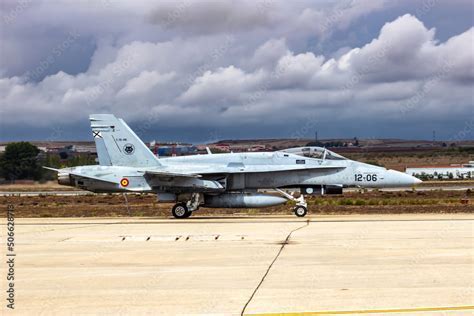
Recurring Themes in F-18 Accidents
Examining these incidents reveals consistent patterns of challenges affecting F-18 operations worldwide:
Mechanical Vulnerabilities
- Structural fatigue leading to engine failures (e.g., 2008 San Diego crash).
- Aging components increasing maintenance risks.
Human and Systemic Errors
- High-pressure environments contributing to pilot misjudgment.
- Fatigue-induced operational lapses, as seen in the 2024 Red Sea friendly fire case.
Technological Limitations
- Outdated IFF and targeting systems susceptible to interference.
- Insufficient safeguards in automated missile defense protocols.
Conclusion
The F-18 Hornet has proven to be an indispensable combat aircraft, but its accident history underscores persistent challenges in military aviation safety. Whether due to mechanical wear, human error, or technological shortcomings, these incidents highlight the need for continuous improvements in aircraft design, pilot training, and operational protocols. While advancements such as better ejector racks and upgraded IFF systems aim to reduce risks, the complexity of modern warfare ensures that safety challenges remain a critical concern.
Frequently Asked Questions (FAQ)
1. What are the main causes of F-18 accidents?
F-18 accidents typically result from a combination of mechanical failures, pilot errors, and technological malfunctions. Issues such as engine failures, friendly fire incidents, and aerodynamic challenges have all contributed to past crashes.
2. How has the military responded to recent F-18 crashes?
Following major accidents, the U.S. Navy and allied air forces have implemented fleet-wide inspections, improved maintenance protocols, and software upgrades. New technologies are being integrated to enhance aircraft reliability and combat safety.
3. Is the F-18 still considered a reliable aircraft?
Despite its history of accidents, the F/A-18 Hornet and Super Hornet remain critical assets for military operations. With continuous upgrades and rigorous maintenance, these aircraft are expected to remain operational for years to come.