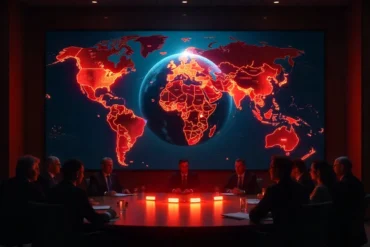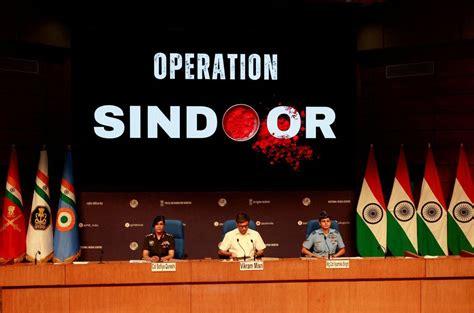
India’s geopolitical landscape is changing rapidly, with shifting alliances, emerging technologies, and escalating threats from both state and non-state actors. Recent military operations—from Operation Sindoor to Operation Rising Lion—have provided critical insights for India’s defense strategy. Drawing from conflicts involving Russia-Ukraine, Israel-Iran, and Pakistan-supported terrorism, retired Air Marshal RGK Kapoor highlights four key lessons that will shape the future of Indian military preparedness.
Intelligence: The First Line of Defense
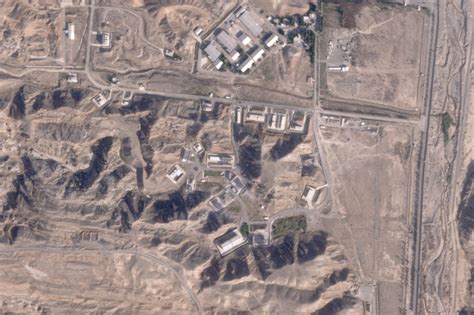
In modern warfare, intelligence is more than just an enabler—it is the foundation of operational success. The Russian invasion of Ukraine was predicted with remarkable precision using Space-based ISR, HUMINT, and TECHINT, demonstrating how multi-layered intelligence can avert surprises. Israel’s Mossad showcased unparalleled synergy between intelligence and military actions, enabling preemptive strikes on missile launchers during the 12-day war with Iran.
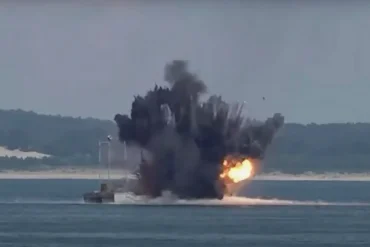
Operation Sindoor’s success depended heavily on real-time actionable intelligence, particularly in identifying and neutralizing terror infrastructure. India, however, continues to face challenges due to fragmented intelligence collection across agencies, creating duplication and delays. Kapoor calls for streamlined intelligence fusion to exploit fleeting opportunities in fast-paced conflicts. Quoting Col. John Warden: “Key to air power is targeting, and key to targeting is intelligence.”
Air Power: The Decisive Instrument of War
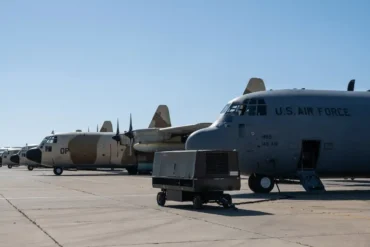
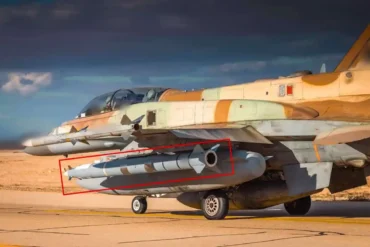
The lessons from Ukraine, Israel, and Op Sindoor reinforce that air superiority remains a decisive factor in achieving military and political objectives. While Russia’s cautious air campaign has been puzzling, Israel’s rapid dominance over Iranian airspace illustrates how a proactive air strategy can change the tide of war. The U.S. Air Force’s use of B-2 bombers to strike Iran’s nuclear facilities from continental USA underscores the power of long-range precision strikes.
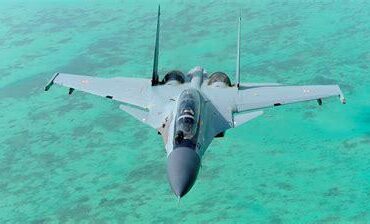
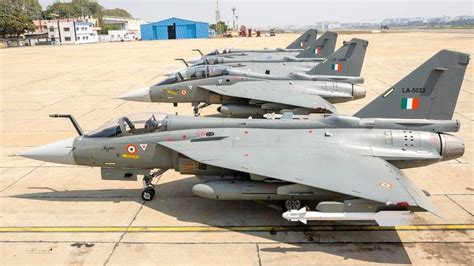
India’s air power, though potent, is constrained by fighter squadron shortages and an aging fleet. Kapoor advocates for the procurement of fifth-generation fighters, accelerated production of Tejas LCAs, and immediate operationalization of Manned-Unmanned Teaming (MUM-T) with stealth UAVs. Additionally, seamless data integration across IAF’s multi-origin platforms is vital for coordinated large-scale operations.
Air Defense: Shielding the Nation Against Multi-Domain Threats
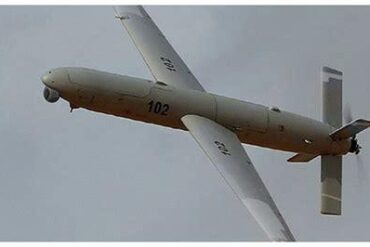
Recent conflicts have shown the sheer scale of missile and drone attacks. During the Israel-Iran war, even with Iron Dome, David’s Sling, and Arrow systems, nearly 20% of Iranian missiles and drones penetrated Israeli air defense, causing significant damage. This reality calls for a multi-layered integrated Air Defense (AD) network capable of countering saturation attacks.
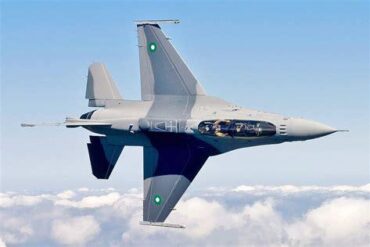
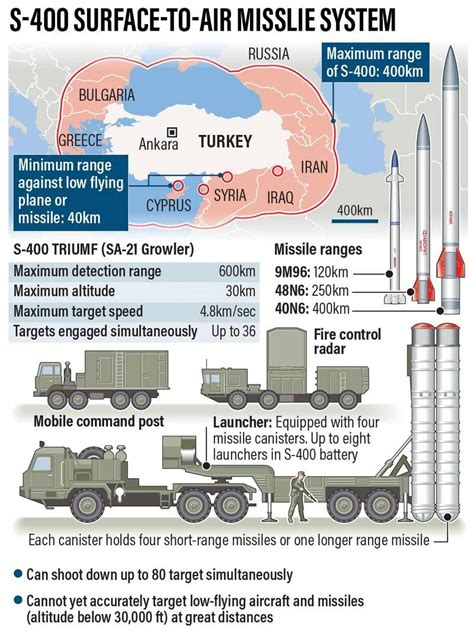
India’s S-400 systems proved effective during Op Sindoor by forcing PAF fighters and AEW&C deep into their airspace. However, Kapoor warns that both China and Pakistan are likely to adopt new saturation tactics. He emphasizes bolstering counter-UAS grids, incorporating Directed Energy Weapons (DEWs) for unlimited engagement capacity, and reinforcing passive defense through hardened shelters and advanced protective materials for aircraft hangars.
Space Operations: The New High Ground
The battlefield now extends far beyond land, sea, and air. Space-based surveillance and communications are crucial in countering stealth aircraft, hypersonic weapons, and long-range missiles. Israel’s satellite network collected over 12,000 images of Iran during Operation Rising Lion, while Starlink’s LEO constellation enabled Ukrainian forces to maintain operational capability in GPS-denied environments.
India’s plan to deploy 52 satellites under the Space-Based Surveillance-3 program is a step forward, but Kapoor calls for upgrading the Defense Space Agency into a full-fledged Tri-Service Space Command. This transformation, integrated with AI-driven analytics, will provide real-time ISR, counter-stealth capabilities, cooperative targeting, and resilient communications, enabling Joint All-Domain Integrated Operations.

Conclusion: Preparing for Tomorrow’s Wars
Conflicts like those in Ukraine, Israel, and Operation Sindoor reveal a simple truth: nations that integrate intelligence, air power, and space capabilities gain the strategic edge. India must prepare for future conflicts that could involve simultaneous threats from China and Pakistan, with higher operational intensity and multi-domain saturation attacks.
As Gen. Anil Chauhan, Chief of Defence Staff, recently stated: “Today’s wars must be fought with tomorrow’s technology.” This means prioritizing investments in advanced air power, air defense systems, and space assets, even at the cost of other defense expenditures. With foresight, integration, and technological innovation, India can maintain its strategic autonomy and deter adversaries effectively.
By learning from the successes and failures of global conflicts and applying those insights decisively, India can ensure that future operations are swifter, smarter, and strategically superior.