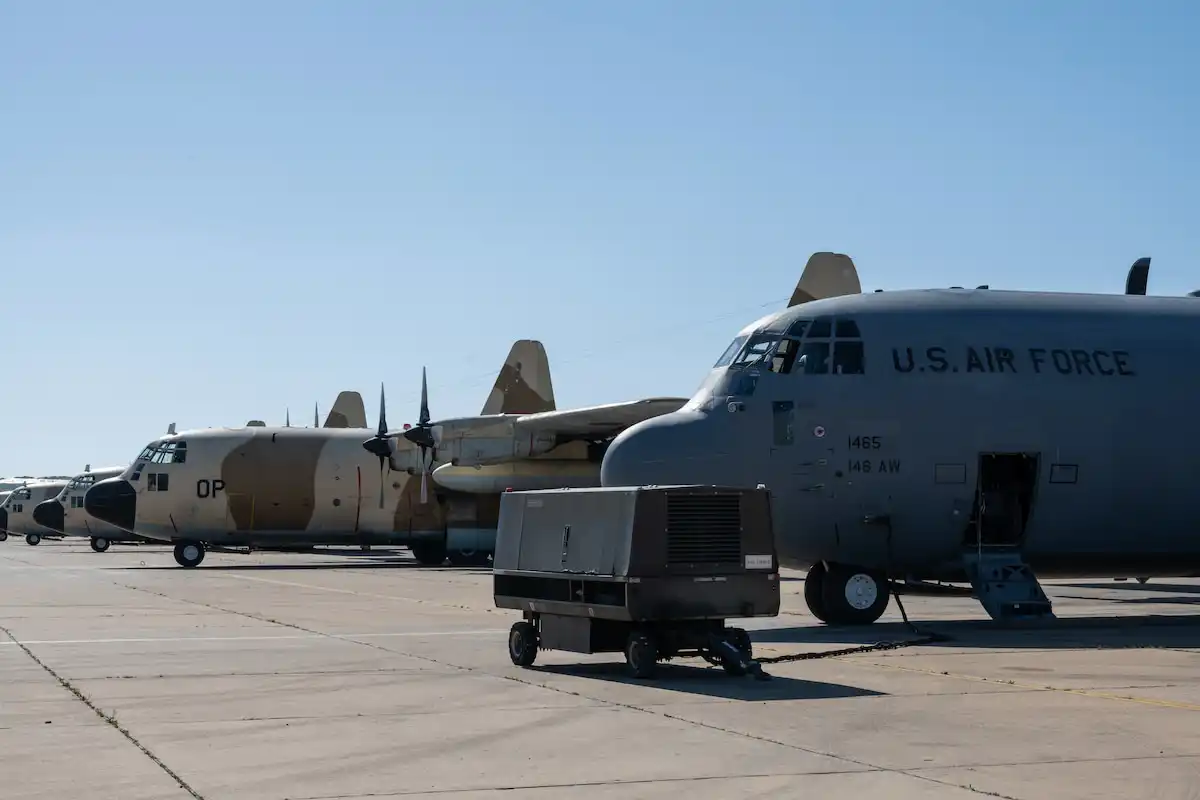
Exercise African Lion 2025 has commenced with formidable precision and strategic depth, bringing U.S. airpower to the forefront in Kenitra, Morocco, from May 12 to May 23. As U.S. Africa Command’s (AFRICOM) largest joint annual exercise, this iteration reflects a profound elevation in multinational cooperation, operational readiness, and the integration of air, land, sea, cyber, and space capabilities. The scale of this year’s exercise is unmatched, involving 10,000 U.S. servicemembers and representatives from 50 nations deployed across key African nations—Ghana, Morocco, Senegal, and Tunisia.
At the heart of this effort lies the seamless coordination between U.S. Airmen, the Royal Moroccan Air Force (RMAF), and numerous Allied and partner forces. The focus: refining critical air operations, including air-to-air refueling, close air support (CAS), and aeromedical evacuation procedures under high-intensity, realistic combat simulations.
Forging Tactical Readiness Through Multinational Integration
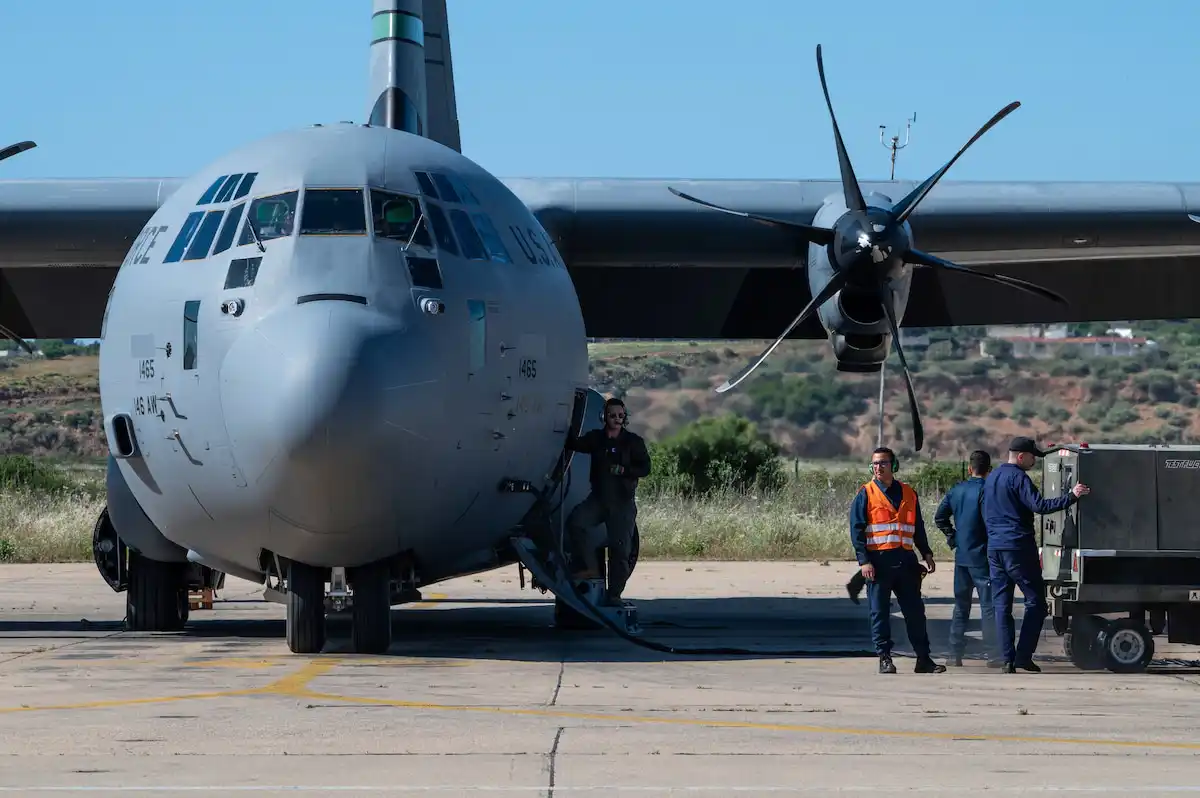
This year, more than 100 Airmen from across the Active Duty, Guard, and Reserve components are participating, including elite units such as the 139th Aeromedical Evacuation Squadron (Stratton ANGB, NY), the 514th Force Support Squadron (Joint Base McGuire-Dix-Lakehurst, NJ), the 30th Aerial Port Squadron (Niagara ANGB, NY), and the 121st Air Refueling Wing (Rickenbacker ANGB, OH). Their efforts are augmented by the 4th Combat Training Squadron, stationed at U.S. Army Garrison Bavaria-Hohenfels, Germany, adding a uniquely European-based dynamic to the air-ground integration.
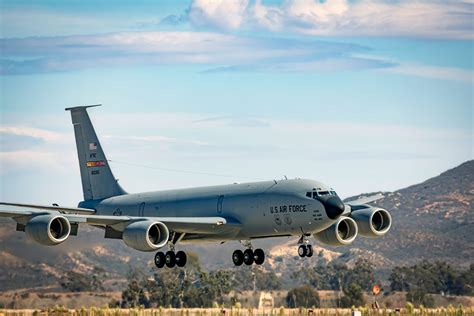
These units are not simply rehearsing theoretical operations. At Ben Guerir Air Base, the KC-135 Stratotankers of the 121st ARW are executing air-to-air refueling missions with RMAF F-16 Fighting Falcons, enhancing interoperability while preparing crews for rapid global deployment scenarios.
Elevating Aeromedical Evacuation and Combat Care Preparedness
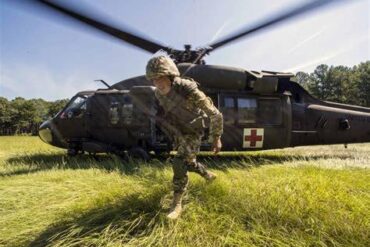
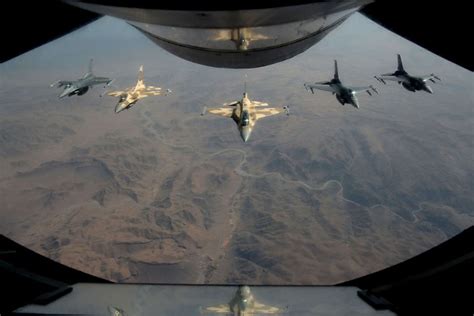
A crucial element of African Lion 25 is the emphasis on aeromedical evacuation (AE). Training at Kenitra Air Base, led by the Royal Moroccan Air Force, centers on refining patient movement techniques under combat conditions. This component is especially vital given the increasing demands on rapid medical response and trauma care in dispersed and austere environments.
By partnering with the RMAF, New York and New Jersey Air National Guard units are enhancing their ability to triage, stabilize, and evacuate critically wounded personnel under simulated hostile fire. These real-time, high-stress scenarios are carefully engineered to mimic the complexities of modern warfare, from mass casualty evacuations to in-flight trauma care.
Close Air Support and Combat Coordination in a Multi-Domain Environment
Another critical axis of U.S. airpower demonstration in African Lion 25 lies in its close air support missions. Working alongside Moroccan and Allied ground forces, U.S. Airmen integrate targeting solutions, refine joint terminal attack controller (JTAC) coordination, and practice dynamic re-tasking of aircraft in support of maneuvering ground units.
This collaboration deepens the joint capability to operate in a multi-domain battlespace, where decision speed and synchronized effects are paramount. In these scenarios, the U.S. and Moroccan forces are challenged to maintain operational tempo while managing electronic warfare threats, cyber disruptions, and austere command-and-control conditions.
Maj. Gen. Gainey and the Total Force Concept
Maj. Gen. Andrew C. Gainey, commanding general of the U.S. Army Southern European Task Force, Africa, emphasized the holistic nature of this exercise: “African Lion 25 is AFRICOM’s largest multinational, combined joint exercise in Africa. It demonstrates the capabilities of the Total Force by building strategic readiness and operational lethality alongside our African partners and allies to fight and win in a complex multi-domain environment.”
This acknowledgment underlines the evolution of U.S. airpower from a platform-centric force to a networked, integrated capability. Total Force operations—blending Active Duty, Reserve, and National Guard elements—offer agility and resiliency, making exercises like African Lion pivotal in sustaining global reach and power projection.
Operational Lethality and Strategic Messaging
Beyond training value, African Lion 25 sends a clear strategic message to adversaries and allies alike. The scale and complexity of air operations conducted during the exercise reflect the U.S. military’s enduring commitment to global partnerships, particularly in North and West Africa, where stability remains fragile.
The use of KC-135 Stratotankers, capable of extending the range of fighter and ISR aircraft, demonstrates the U.S. Air Force’s ability to project power across vast operational theaters. With rising tensions across the Sahel and Maghreb regions, such readiness ensures that U.S. and allied air forces can respond to crises rapidly, decisively, and in full coordination.
Lt. Gen. Hinds on Real-World Preparedness
Lt. Gen. Jason Hinds, deputy commander of USAFE-AFAFRICA, summarized the operational imperative succinctly: “The rigorous training scenarios we face in African Lion 25 push us to our limits, ensuring we’re prepared for the complexities of real-world operations.” His remarks highlight the layered complexity of the training, which includes:
- High-tempo combat air patrols
- Coalition targeting board simulations
- Tactical aeromedical evacuations in degraded environments
- Combined operations in degraded GPS or denied electromagnetic environments
These scenarios are not hypothetical but grounded in current global threats, from peer-state competition to hybrid warfare. Training across multiple African locations also introduces geospatial variety—terrain that resembles future conflict zones from Eastern Europe to the Indo-Pacific.
Partnership Capacity Building in the African Theater
African Lion is as much about partner capacity building as it is about U.S. force readiness. For the RMAF and other African participants, this exercise provides invaluable exposure to U.S. joint operations doctrine, air tasking cycle integration, and logistical synchronization under combat conditions.
Moreover, African air forces gain access to advanced command structures, interagency coordination techniques, and real-time feedback from U.S. and NATO instructors. These benefits extend beyond air operations—fostering institutional relationships, doctrine development, and future interoperability.
A Strategic Footprint for Regional Stability
As African Lion 25 unfolds across the continent, its impact resonates far beyond tactical readiness. It is a visible manifestation of U.S. commitment to regional stability, counterterrorism, and cooperative security. The continued investment in exercises like AL25 ensures that U.S. forces remain prepared, resilient, and deeply integrated with their international counterparts.
For the U.S. Air Force, the ability to operate seamlessly with foreign partners, execute precision refueling missions, deliver combat medical care under fire, and coordinate multi-national CAS sorties demonstrates the continued relevance of airpower in the 21st century. In Morocco and beyond, these efforts solidify the foundations of a global coalition prepared to address threats wherever they arise.