Korean Air’s long-overdue lounge transformation marks a decisive shift in how the airline positions its premium ground experience, signaling a broader reinvention that goes far beyond visual branding. Following the finalized merger with Asiana Airlines, the carrier is no longer content with incremental upgrades. Instead, it is executing a comprehensive overhaul of its global lounge network, aiming to elevate expectations for comfort, design, and culinary quality across its most important hubs and outstations.
For years, Korean Air’s lounges were widely regarded as functional but uninspiring, falling noticeably behind competitors in East Asia and the Middle East. Sterile interiors, limited food options, and an atmosphere closer to a clinical waiting room than a premium sanctuary left frequent flyers underwhelmed. This reputation stood in stark contrast to the airline’s strong operational reliability and network reach. The new lounge strategy directly confronts this imbalance, treating the airport experience as an essential extension of the onboard product rather than an afterthought.
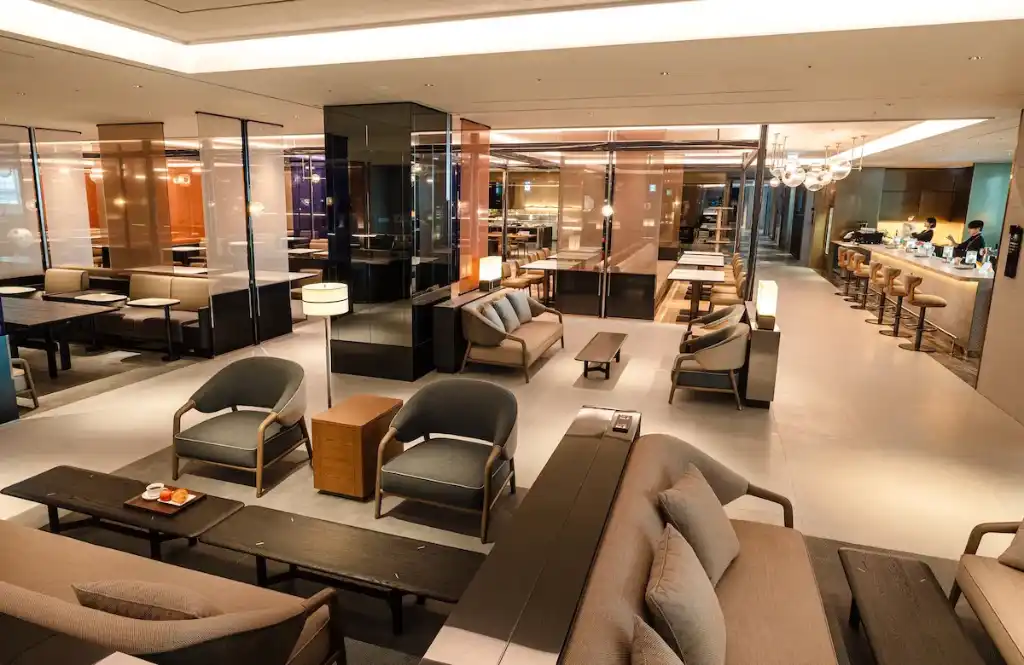
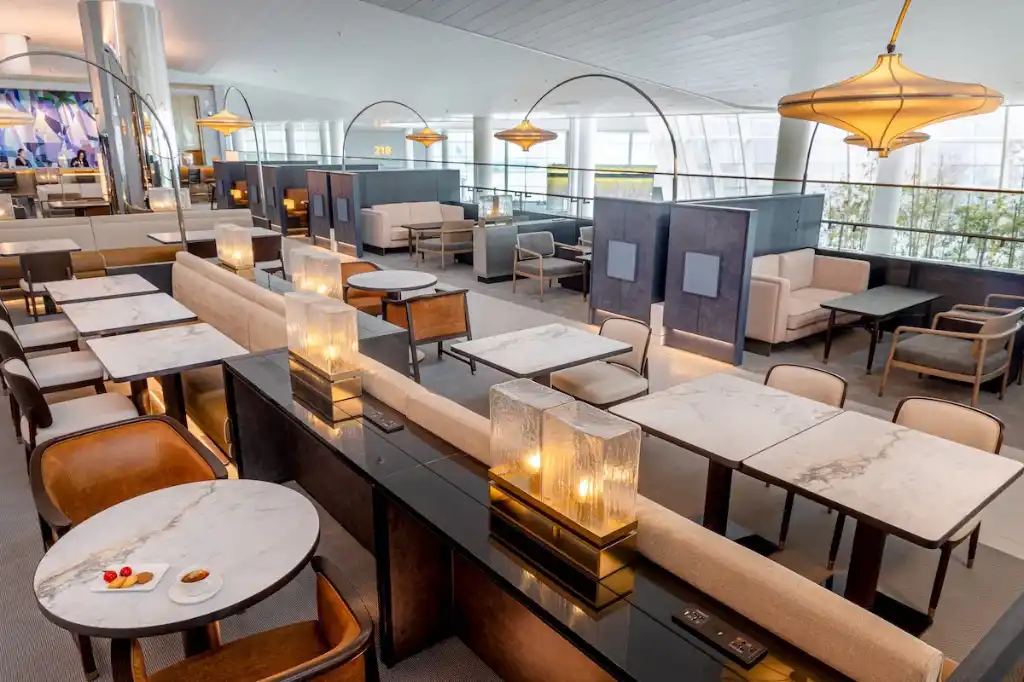
The transformation begins at Seoul Incheon International Airport, Korean Air’s primary hub and the symbolic heart of its premium ambitions. Here, the airline is not merely renovating existing spaces but rethinking the very purpose of a lounge. The new concept draws inspiration from high-end hotel lobbies, emphasizing warmth, flow, and purposeful zoning. Dining, relaxation, productivity, and wellness are no longer compressed into a single room but thoughtfully separated to accommodate different traveler needs without visual or acoustic clutter.
Design plays a central role in redefining first impressions. The updated lounges adopt a refined palette of gold, charcoal, black, and ivory, visually aligning the ground experience with Korean Air’s new premium cabin aesthetic. Traditional Korean architectural influences, including Hanok-inspired structures, are integrated in a contemporary way, avoiding pastiche while reinforcing cultural identity. Natural materials such as wood and marble, paired with carefully calibrated ambient lighting, soften the environment and replace the harsh brightness that once defined these spaces.
Food and beverage offerings represent perhaps the most dramatic improvement. Historically, Korean Air lounges were known for minimal selections, where instant noodles often stood out as the most appealing option. The revamped lounges introduce live cooking stations developed in partnership with the Grand Hyatt Incheon, delivering a noticeable upgrade in both quality and presentation. Guests now encounter a rotating menu of Korean classics alongside international dishes, prepared fresh and served in a setting that encourages lingering rather than hurried consumption.
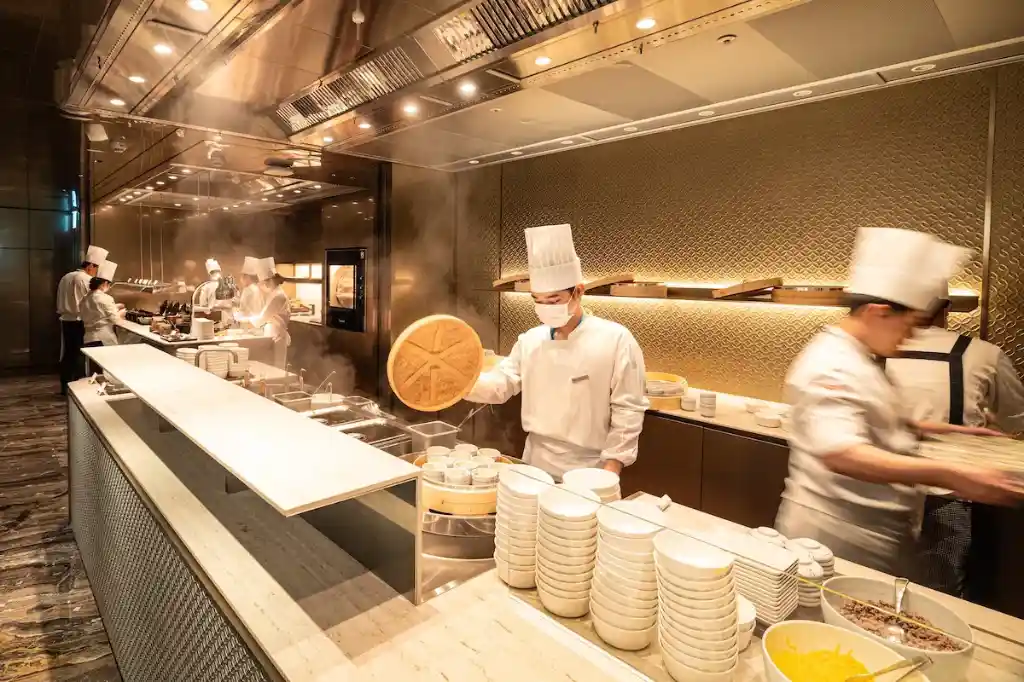
Bakeries and patisseries further enhance the sensory appeal of the lounges. Freshly baked croissants, artisanal desserts, and oven-finished pizzas replace pre-packaged snacks, creating an experience that feels curated rather than improvised. This emphasis on freshness and variety positions Korean Air’s lounges closer to luxury hospitality standards, reflecting a deeper understanding of what premium travelers increasingly expect on the ground.
Capacity expansion underscores the seriousness of the investment. At Incheon alone, total lounge capacity is set to nearly double, increasing from 898 to 1,566 passengers. Lounge floor space will more than double as well, expanding from just over 5,000 square meters to more than 12,000 square meters. These numbers are not cosmetic; they directly address chronic overcrowding during peak departure banks and anticipate increased premium traffic following full integration with Asiana Airlines.
The rollout strategy is deliberate and phased. In 2025, Korean Air debuted the fully redesigned Prestige East Lounge, establishing the new design language and service standards. This was followed by the opening of Prestige Garden Lounges at the far ends of Incheon’s expanded terminal, ensuring premium access even for passengers departing from remote gates. By early 2026, the Prestige East Left Lounge opened, adding another flagship space to the network while showcasing experimental concepts that differentiate Korean Air from its peers.
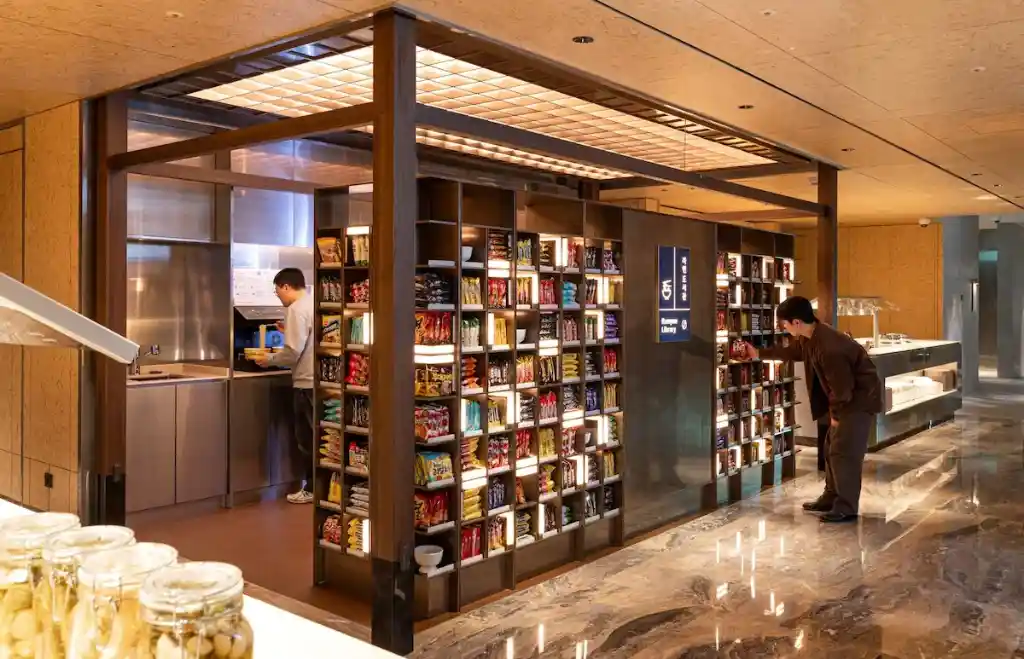
This latest lounge introduces experiential zones rarely seen in airline lounges. The Ramyeon Library elevates a humble staple into an interactive feature, allowing guests to customize instant noodles with curated toppings and broths. A cooking studio hosts participation-based activities, such as chocolate bark making, blurring the line between lounge and lifestyle space. An arcade room adds an unexpected layer of leisure, appealing to younger travelers and families without detracting from the lounge’s overall sophistication.
Renovations are not limited to Seoul. Korean Air has confirmed that its key outstation lounges, including Los Angeles and New York JFK, will reopen in 2026 with entirely new designs aligned with the Incheon standard. This global consistency is critical for maintaining brand credibility, ensuring that premium passengers receive a comparable experience regardless of departure point.
Behind this transformation is a notable shift in leadership philosophy. Korean Air executives have publicly acknowledged that the airline has lagged behind competitors in premium experience, an unusually candid admission in an industry often resistant to self-critique. Much of the momentum is attributed to David Pacey, Executive Vice President of Inflight Services and Lounges, whose background in luxury hospitality rather than aviation brings a fresh, guest-centric perspective.
Pacey’s approach prioritizes emotional resonance as much as operational efficiency. Lounges are treated as destinations rather than buffers between security and boarding, designed to reduce travel fatigue while reinforcing brand affinity. This philosophy aligns closely with global trends in premium travel, where differentiation increasingly depends on how passengers feel rather than solely on what they receive.

The broader context makes these investments particularly strategic. As Korean Air absorbs Asiana Airlines, the combined carrier must justify its premium pricing and expanded network with a ground experience capable of handling higher volumes without sacrificing quality. Doubling lounge capacity while simultaneously raising service standards is an ambitious undertaking, but one that positions Korean Air competitively against regional rivals known for exceptional lounges.
What makes this transformation compelling is its coherence. The new lounges are not isolated upgrades but part of a synchronized effort that includes new first class cabins, the introduction of premium economy, and a redefined brand identity. Each element reinforces the others, creating a narrative of renewal that resonates with both loyal customers and previously skeptical travelers.
Korean Air’s lounge makeover represents more than a cosmetic refresh; it is a recalibration of priorities. By investing heavily in spaces once considered secondary, the airline acknowledges that the premium journey begins long before boarding. If execution remains consistent across the network, these lounges may soon shift from being a weak link to a defining strength, reshaping how Korean Air is perceived on the global stage.