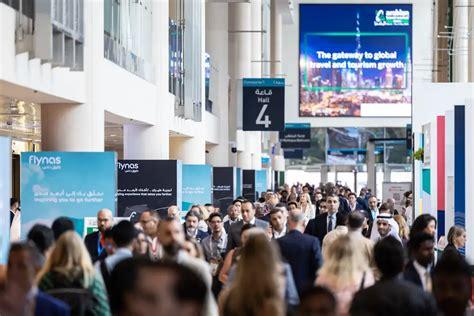
As the global tourism landscape continues to evolve, Dubai has firmly positioned itself as a pivotal player in shaping the future of travel, especially at the recent Arabian Travel Market (ATM). This year’s event highlighted the Asia Pacific region’s emergence as a crucial driver of tourism growth and innovation, underscoring the shifting dynamics within the global travel industry. With international travel spending projected to reach an astounding US$2.5 trillion and domestic travel expected to climb to US$4.3 trillion by 2029, the Asia-Pacific region is on track to become a tourism powerhouse, reflecting its burgeoning economic strength and increasing influence on global travel trends.
Travel dynamics across the Asia-Pacific region are undergoing a significant transformation. Outbound tourism is anticipated to expand at a compound annual growth rate of 7%, with projections suggesting that by the end of 2025, intra-regional journeys will account for 61% of all trips originating from APAC. This robust growth signals a strong preference for regional travel, with an increasing number of travelers expected to venture beyond their borders, leading to approximately one in every three trips taking place outside the Asia Pacific area by 2029. Furthermore, the rise of digital adoption is revolutionizing the travel booking process, with 75% of bookings forecasted to be made through online platforms.
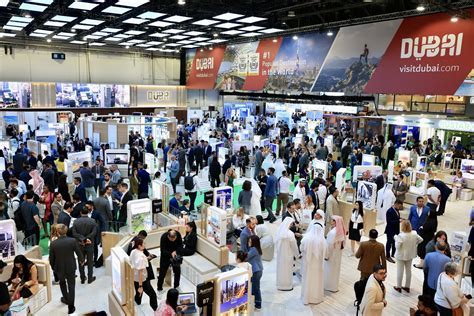
The ATM served as a vibrant platform where industry experts convened to discuss the trends reshaping tourism in this influential region. Key themes revolved around the evolution of traveler expectations, the profound impact of digital transformation, and the resurgence of outbound travel, particularly from major markets like China. This discourse revealed a significant shift in consumer preferences, with travelers increasingly prioritizing unique, experience-rich journeys over traditional tourism. As the appetite for immersive travel continues to grow, cultural exploration and local experiences have become central to purchasing decisions.
In tandem with this shift, rapid digitalization is streamlining the travel process from booking to on-the-ground services, thereby fueling further growth. The Asia-Pacific region is entering a new era of tourism defined by innovation, digital fluency, and evolving traveler mindsets. Robust infrastructure development, coupled with expanding middle-class populations and rising demand for personalized, culturally engaging experiences, positions the region favorably to lead the next wave of global travel growth.
Tourism activity originating from Asia Pacific and Africa is poised for remarkable growth in the coming years. Data compiled for the ATM suggests that overnight stays from these regions are projected to more than double between 2025 and 2030. A particularly notable surge is anticipated in travel from China to the Middle East, with overnight tourism nights expected to increase by an impressive 189% by the end of the decade. Additionally, markets across the Asia-Pacific region are anticipated to lead the way in terms of business-related overnight stays, with India emerging as a significant contributor to this segment.
Travelers from the Asia-Pacific region continue to dominate global spending, exhibiting the highest daily expenditure per person across the tourism spectrum. On average, tourists from this region spend approximately US$300 per day on categories such as lodging, dining, retail, and other travel-related services. This elevated spending is predominantly fueled by Chinese tourists, whose financial capacity and demand for luxury experiences are reshaping the global tourism economy. In response, Dubai is strategically aligning itself to capture a larger share of this high-value market, guided by its ambitious D33 economic agenda.
Central to this strategy is the implementation of advanced market segmentation and culturally tailored narratives. Dubai’s tourism campaigns increasingly leverage the power of digital storytelling through popular regional platforms such as Bilibili and Red Note, ensuring targeted and relatable outreach to Asian travelers. Moreover, the city benefits from extensive air connectivity, courtesy of carriers like Emirates and flydubai, further enhancing its appeal as a convenient and aspirational destination.
Meanwhile, Saudi Arabia is emerging as a fresh and determined player in the Asia-Pacific tourism arena. Recognizing the complexity and diversity of the region, which encompasses 49 countries with varying cultures and travel expectations, the Kingdom has adopted a highly personalized approach to tourism marketing. Rather than employing a one-size-fits-all strategy, Saudi tourism authorities are investing in understanding the unique characteristics of each source market—from preferred cuisines and holiday patterns to communication styles and booking behaviors. This hyper-local strategy aims to present the Kingdom as an inviting and culturally attuned destination, tailored to the needs and preferences of APAC travelers.
Sustainability has also emerged as a top priority among younger travelers across the Asia-Pacific region, particularly among Millennials and Gen Y. Recent insights from Trip.com indicate that approximately 30% to 40% of these travelers are willing to spend extra on eco-conscious travel experiences. For this demographic, responsible tourism extends beyond environmental concerns; it encompasses actively supporting local communities, preserving cultural traditions, and engaging with heritage in meaningful ways. This shift in travel values reflects a growing awareness among younger generations, who increasingly seek trips that align with their ethical and social beliefs. Sustainable choices now encompass everything from staying in eco-certified accommodations to booking tours that contribute directly to local economies and cultural preservation efforts.
The Arabian Travel Market plays a crucial role in spotlighting trends like sustainable tourism and shaping the future of global travel. Held annually in Dubai, ATM brings together industry leaders from various sectors, creating a vital platform for innovation, collaboration, and business development. Each year, the event helps drive an estimated US$2.5 billion in tourism-related deals, positioning Dubai as a nexus of global tourism discussions.
The next edition of ATM is set to return to the Dubai World Trade Centre from May 4 to 7, 2026, continuing its mission to foster global tourism growth while spotlighting emerging travel priorities such as sustainability, digital transformation, and market-specific strategies. As Dubai continues to navigate the complexities of the global tourism landscape, its commitment to innovation and adaptability will undoubtedly play a critical role in securing its place as a leading destination in the evolving world of travel.