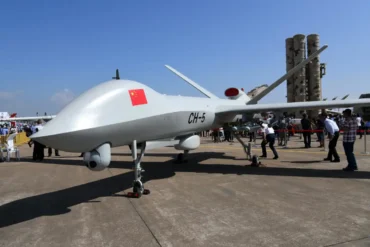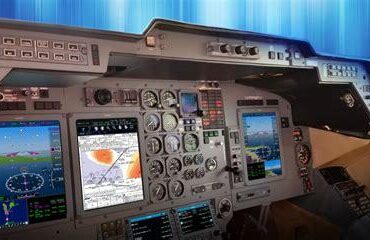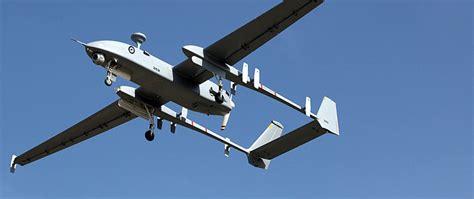
Israel has established itself as a world leader in drone technology, driving groundbreaking advancements across military, civilian, and strategic sectors. Through relentless innovation and operational excellence, Israeli drones have redefined modern warfare, emergency rescue, and intelligence operations on a global scale. The country’s unique blend of cutting-edge engineering, artificial intelligence, and robust field deployment cements its dominance in the global UAV (Unmanned Aerial Vehicle) landscape.
Military Power: Advanced Combat Drones and Tactical Mastery
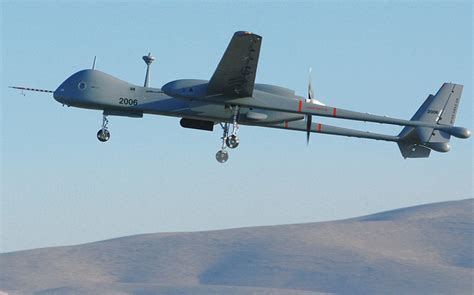
The heart of Israel’s drone supremacy lies in its military UAV fleet, renowned for precision, durability, and versatility. Notable among these is the Harop, an innovative “suicide drone” equipped with electro-optical sensors and anti-radar guidance. This platform was pivotal in the 2020 Nagorno-Karabakh conflict, systematically targeting enemy air defenses and armored units with devastating accuracy. The Hermes 900, another flagship model, boasts a 30-hour flight endurance and multi-sensor payload, enabling deep surveillance and strategic strikes.
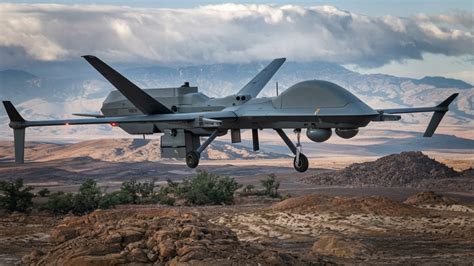
The IAI Heron TP, deployed during recent 2024 operations in southern Lebanon, exemplifies Israel’s precision strike capabilities. This drone executed high-value reconnaissance and direct attacks on Hezbollah positions, reinforcing Israel’s tactical superiority. In a twist of irony, Houthi militants claimed to have repurposed Israeli-origin drones for strikes on Tel Aviv and Ashkelon—a claim Israel firmly denied, underscoring the complex dynamics of drone proliferation.
AI-Driven Swarm Technology: A New Era of Autonomous Warfare
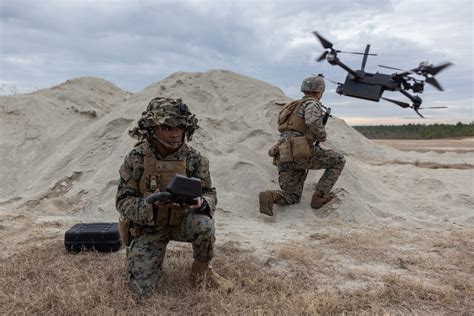
Israel has pioneered the integration of AI into drone swarms, a transformative leap in autonomous combat. During the 2023 Gaza conflict, Israeli forces deployed AI-enhanced drone swarms capable of real-time target identification, prioritization, and autonomous decision-making. These swarms revolutionized battlefield tactics, conducting coordinated strikes that dramatically increased operational efficiency and reduced human risk. Such innovation positions Israel at the forefront of AI-driven warfare, setting new standards for drone autonomy and responsiveness in hostile environments.
Civilian and Rescue Missions: Beyond the Battlefield
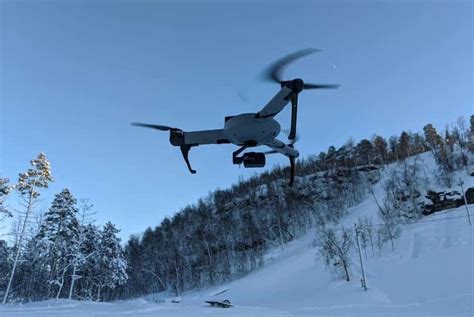
While Israel’s drones are synonymous with military strength, their civilian applications demonstrate versatility and humanitarian value. The AtlasPRO skimmer drones, deployed in 2025 for Arctic rescue missions in Norway, illustrate this dual-use potential. Engineered to operate in sub-zero conditions, these drones utilize AI to locate stranded individuals and relay data in real time via MESH communication systems, proving indispensable in life-or-death situations across glaciers and fjords.
The Ninox 103, a submarine-launched quadcopter, further showcases Israel’s commitment to multi-domain operational capability. With its 45-minute flight endurance and ability to withstand 20-knot winds, the Ninox 103 provides critical aerial surveillance and encrypted communications for naval forces. Its compact design and AI functionality make it an essential asset for submarine crews operating in dynamic maritime theaters.
Technological Superiority: Sensors, Endurance, and Cold-Weather Adaptability
Israeli drones are celebrated for their advanced sensor systems and all-weather reliability. Platforms like the Skylark and Scout are equipped with state-of-the-art electro-optical/infrared (EO/IR) payloads, enabling day-night surveillance in the most challenging conditions. The IAI Eitan (Heron TP) extends operational reach with a staggering 36-hour endurance and 1,000-kilometer range, supporting sustained intelligence gathering and combat support missions.
One of the defining aspects of Israeli UAVs is their cold-weather adaptability. Norwegian rescue units, impressed by the reliability of Israeli drones in freezing temperatures, have integrated them into their operations, citing superior sensor performance and system resilience compared to international competitors. This adaptability underscores Israel’s engineering excellence in crafting drones suitable for diverse and extreme environments.
Global Reach: International Collaborations and Drone Diplomacy
Israel’s UAV prowess extends far beyond its borders through a vast network of international collaborations and exports. Over 60 countries, including Russia and the United States, have integrated Israeli drones into their arsenals. Russia’s acquisition of the Bird-Eye 400 and Search MK II models in 2009, and the U.S. military’s 2021 testing of the Ninox 103 for submarine integration, highlight the global demand for Israeli UAV technology.
Joint military exercises with NATO allies such as Norway and the U.S. exemplify Israel’s strategy of “drone diplomacy,” which fosters geopolitical ties and encourages co-development of next-generation UAV systems. This approach not only bolsters Israel’s influence on the world stage but also drives continual innovation through shared expertise and collaborative testing.
Strategic Impact and Market Dominance
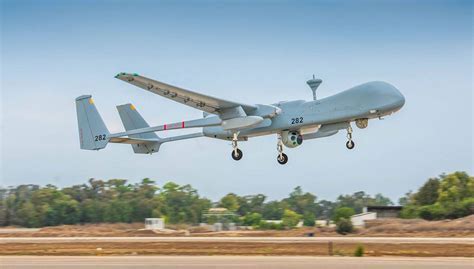
Israel’s dominance in the global drone market, controlling approximately 60% of the military UAV sector, is unmatched. Flagship models like the Hermes 900 have become benchmarks for endurance, payload capacity, and operational versatility. The global appetite for Israeli drones stems from their proven battlefield performance, modularity, and adaptability, making them a preferred choice for defense forces worldwide.
However, the rise of non-state actors leveraging Israeli-style drone tactics highlights the dual-use risks associated with UAV technology. While Israel leads in counter-drone measures and tactical evolution, the proliferation of advanced drone systems underscores the need for vigilant control and ongoing innovation to maintain strategic advantage.
Conclusion: The Future of Israeli Drone Technology
Israel’s relentless pursuit of excellence in drone technology has reshaped the contours of modern warfare, rescue operations, and international defense collaborations. Its commitment to AI integration, endurance enhancement, and multi-environment resilience ensures that Israeli UAVs remain at the cutting edge of global innovation. As geopolitical landscapes evolve and the demand for agile, intelligent systems grows, Israel’s drones will continue to play a pivotal role in defining the future of aerial operations worldwide.