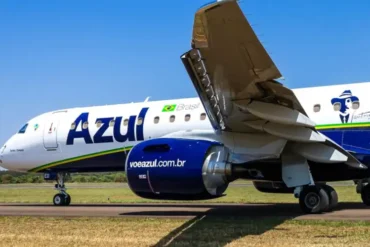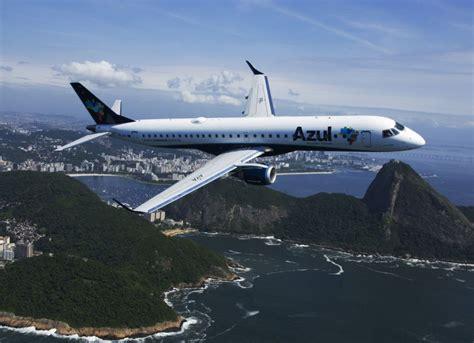
Azul Brazilian Airlines, officially known as Azul Linhas Aéreas Brasileiras S/A, stands today as a cornerstone of Brazil’s aviation landscape. Since its inception on 5 May 2008, the airline has transformed from a daring newcomer into one of the country’s dominant air carriers, renowned for connecting underserved markets, pioneering fleet innovations, and expanding its reach well beyond Brazilian borders.
A Vision Rooted in Accessibility and Innovation
Founded by David Neeleman, also the mastermind behind JetBlue Airways, Azul emerged with a vision to bridge Brazil’s vast geography with frequent, affordable flights. By launching services on 15 December 2008, Azul began flying between Campinas, Rio de Janeiro, Salvador, and Porto Alegre using a modest but efficient fleet of Embraer E190 and E195 aircraft. From the very beginning, Azul differentiated itself through superior customer service, reliability, and a bold expansion strategy targeting cities historically overlooked by larger carriers.
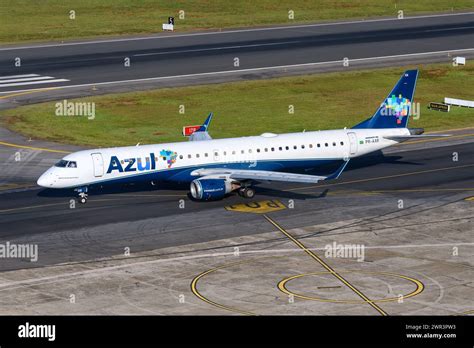
Within a month of operation, Azul had added new routes to Vitória and Curitiba, proving its commitment to growth. This rapid expansion signaled the rise of a new aviation powerhouse committed not just to profitability, but to connecting communities across Brazil.
Strategic Acquisitions Fueling National Dominance
One of Azul’s most transformative moves came on 28 May 2012 with the acquisition of TRIP Linhas Aéreas, Brazil’s largest regional carrier at the time. The integration provided Azul with unprecedented access to regional airports, drastically expanding its domestic footprint. The merger, finalized on 6 May 2014, also brought with it valuable assets and operational experience, culminating in a broader, unified network under the Azul brand.
This strategic consolidation cemented Azul’s position in Brazil’s aviation hierarchy. It also underlined its commitment to regional aviation—a space that had long suffered from underinvestment and logistical challenges.
Forging Alliances on the Global Stage
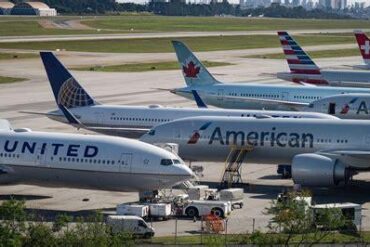
Understanding the importance of global connectivity, Azul initiated codeshare agreements with major international carriers. A pivotal moment occurred in January 2014, when Azul partnered with United Airlines, allowing MileagePlus members to earn and redeem points across networks. This relationship was deepened in June 2015, when United invested US$100 million in Azul, signaling confidence in its long-term vision.
Additional partnerships with global airlines like Emirates, TAP Air Portugal, and JetBlue Airways have allowed Azul to offer seamless international travel experiences. These alliances have been further reinforced by interline agreements with carriers such as Singapore Airlines, Lufthansa, and Etihad Airways, broadening Azul’s reach across six continents.
International Expansion and Long-Haul Ambitions
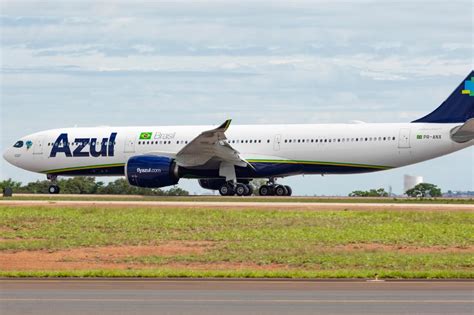
Azul’s move into international markets marked a major milestone. In December 2014, it launched direct flights from Campinas to Fort Lauderdale and Orlando, tapping into the robust demand for travel between Brazil and the United States. With a growing fleet of Airbus A330-200 and later A330-900 aircraft, Azul built a competitive long-haul product with superior onboard services, spacious seating, and an emphasis on punctuality.
The carrier’s international ambitions were not limited to North America. With services now extending to Portugal, France, Argentina, Curaçao, and Uruguay, Azul has evolved into a truly global airline. Its blend of leisure and business destinations abroad ensures diversified revenue streams and resilience against domestic volatility.
Fleet Expansion and Technological Modernization
Azul has consistently invested in modern, fuel-efficient aircraft to improve performance and reduce costs. A notable fleet renewal plan was initiated in 2015, with orders for 35 Airbus A320neo aircraft and leases for 28 additional units. These aircraft, with their advanced engines and aerodynamic improvements, have enhanced Azul’s operational efficiency and sustainability goals.
Simultaneously, Azul ordered 30 Embraer E195-E2 jets, marking the first such acquisition by any airline worldwide. These next-generation jets, delivered starting in 2020, offer higher fuel efficiency, increased passenger capacity, and lower carbon emissions.
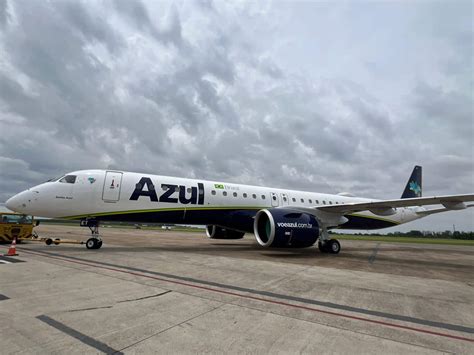
As of April 2025, Azul operates 189 aircraft, with 49 more on order, including:
- 51 Airbus A320neo (174 seats)
- 6 Airbus A321neo (214 seats)
- 7 Airbus A330-900 (264–298 seats)
- 40 ATR 72-600 (70 seats)
- 44 Embraer E195 (118 seats)
- 32 Embraer E195-E2 (136 seats)
This diversified fleet supports a mix of short-haul regional and long-haul international operations, tailored to meet the needs of different market segments.
Corporate Growth Amid Market Volatility
Azul’s financial trajectory has mirrored the volatility of Brazil’s economy and global aviation dynamics. Despite early years of net losses, the airline demonstrated resilience. In 2017, it posted a net profit of R$0.42 billion on R$7.7 billion in revenue. Growth accelerated to R$11.4 billion in 2019 before the pandemic-induced plunge to R$5.7 billion in 2020.
Recovery has been steady. By 2023, Azul had generated R$18.5 billion in revenue, transporting 29.2 million passengers across 162 cities, marking it as one of the few airlines to scale back to pre-pandemic levels effectively. Load factors have also stabilized, averaging 80.4% in 2023—an indicator of strong demand and operational efficiency.
Azul Conecta: Expanding the Last-Mile Network
To bridge even more isolated regions of Brazil, Azul acquired TwoFlex in 2020, rebranding it as Azul Conecta. The feeder airline plays a crucial role in Azul’s network by serving remote towns and integrating them into the broader national and international flight system. This approach has been vital for communities with limited access to transportation infrastructure.
Azul Conecta exemplifies the carrier’s broader philosophy: aviation as a tool for economic and social integration. It demonstrates that profitability can align with public service in ways that few other industries can emulate.
Diversified Services and Cargo Solutions
Azul’s commitment to comprehensive service delivery is further illustrated by its robust cargo division. Leveraging converted Airbus A321-200P2F freighters, Azul Cargo has built a growing logistics arm that supports Brazil’s sprawling e-commerce and business ecosystems. The pandemic catalyzed demand for freight services, and Azul’s quick pivot helped stabilize revenues during passenger downturns.
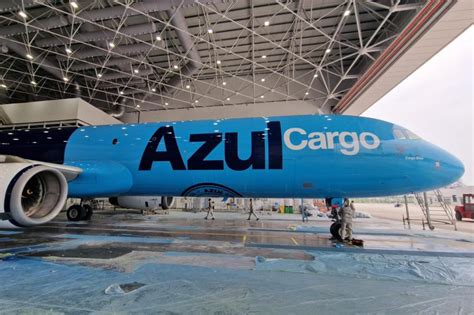
Additionally, the airline’s integration of executive bus services enhances connectivity by linking underserved communities to major airports, reinforcing its multimodal transportation model.
Strategic Investments and Market Consolidation
Azul has consistently attracted significant foreign investment, underscoring its credibility on the global stage. In addition to United’s stake, the Chinese HNA Group invested US$450 million in 2015, becoming the airline’s largest single shareholder at the time. These investments have fueled Azul’s aggressive expansion and technology upgrades.
Efforts to consolidate Brazil’s fragmented airline industry also included an attempt to acquire Avianca Brasil in 2019, although this deal did not fully materialize. Regardless, Azul has continued to play a major role in shaping the competitive dynamics of Brazil’s aviation market.
Destination Network and Global Connectivity
As of March 2025, Azul and Azul Conecta serve 149 destinations, not only throughout Brazil but also across the Americas and Europe. This includes strategic routes to:
- Lisbon and Paris in Europe
- Buenos Aires, Montevideo, and Asunción in South America
- Orlando, Fort Lauderdale, and New York in the United States
- Curaçao in the Caribbean
This comprehensive network enables Azul to serve both leisure and business travelers while supporting Brazil’s integration into the global economy.
Conclusion: A Brazilian Success Story in the Sky
Azul’s journey from an ambitious startup to one of Latin America’s premier airlines is a testament to bold vision, strategic execution, and relentless focus on underserved markets. Through innovation, strategic partnerships, and an unwavering commitment to connectivity, Azul has redefined air travel in Brazil.
As it continues to expand its fleet, deepen its international footprint, and refine its customer offerings, Azul stands as a model for modern aviation in emerging markets. In a region where geography has long posed a challenge to integration, Azul has become the bridge—uniting people, cities, and opportunities across continents.