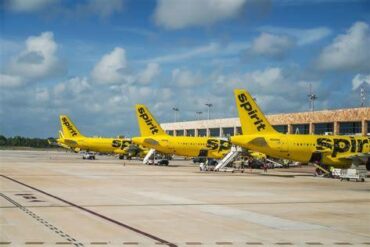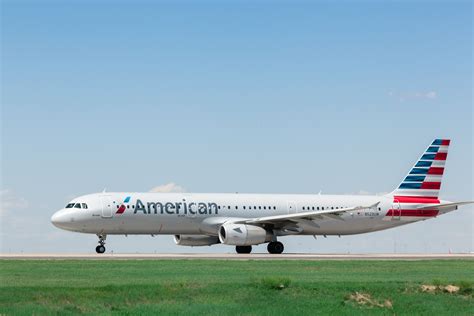
American Airlines is reportedly positioning itself for a strategic investment in Azul Linhas Aéreas, following a recent regulatory greenlight for United Airlines to inject $100 million into the Brazilian low-cost carrier. With Azul still navigating its Chapter 11 restructuring process, the stakes for both U.S. carriers are not only high but also potentially transformative for the South American aviation market.
United’s First-Mover Advantage in Brazil
Earlier this week, Brazil’s Administrative Council for Economic Defense (CADE) approved United Airlines’ proposed investment in Azul, setting a precedent for international airline investment into a company currently under bankruptcy protection. United has maintained a commercial partnership with Azul since 2015, supported by an active codeshare agreement and reciprocal frequent flyer benefits. Their collaborative efforts have long provided seamless service for passengers across Brazil and North America.
However, United’s latest commitment to inject $100 million marks a bold step beyond mere partnership, aiming to reinforce its presence in Latin America’s largest aviation market. This capital infusion is part of Azul’s strategy to raise approximately $650 million in public equity, and rid itself of nearly $2 billion in debt.
American Airlines Eyes a Strategic Pivot
American Airlines’ potential investment is especially intriguing given its current alliance with Azul’s local competitor, GOL Linhas Aéreas. Historically, American has relied on GOL to expand its South American footprint. But Azul’s compelling business model and strategic network—focused on underserved, low-competition routes—could provide American with a sharper competitive edge in the region.
Should American follow through with its investment—expected to be up to $300 million—it would mark a significant realignment in regional airline alliances. Not only would it signal a shift away from GOL, but it would also intensify the rivalry with Delta Air Lines, which has a joint venture with LATAM, South America’s largest airline.
Azul’s High-Risk, High-Reward Appeal
Founded in 2008 by aviation entrepreneur David Neeleman, Azul’s rise has been swift and strategically sound. Neeleman, known for launching JetBlue, WestJet, and Breeze Airways, implemented a model in Brazil that leverages underserved airports in cities like Campinas, Recife, and Belo Horizonte. By avoiding congested hubs such as São Paulo, Azul has captured regional demand and built customer loyalty.
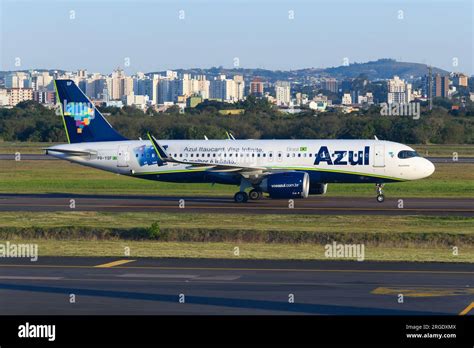
Azul’s operational model focuses on stimulating new air travel demand through point-to-point routes with minimal competition. Despite its clear market value, Azul’s balance sheet has been under tremendous strain. The airline’s downfall into Chapter 11 in May 2025 was primarily driven by:
- A volatile exchange rate environment impacting foreign-denominated debt
- Residual debt from pandemic-era losses
- Escalating fuel and operational costs
Fleet Strength and Route Versatility
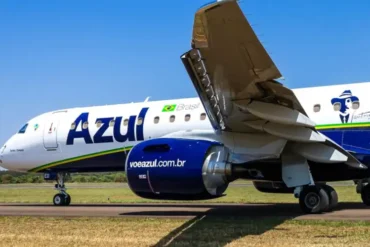
Azul’s diverse and modern fleet is another point of interest for investors. With 173 aircraft, including Airbus A320neo, A330neo, Embraer E195-E2, and ATR 72-600s, the airline can flexibly serve both long-haul international routes and short domestic hops. The inclusion of E-Jets from Embraer, a Brazilian aerospace powerhouse, is particularly relevant to U.S. airlines like American, which already operate similar aircraft in regional capacities.
This alignment deepens potential synergies between Azul and American. Azul’s domestic reach, paired with American’s international scale, could pave the way for a competitive codeshare framework or even deeper collaboration.
Navigating Competitive and Regulatory Complexities
American’s move isn’t without complications. Its existing relationship with GOL, and Brazil’s robust antitrust oversight, could delay or even block a direct financial stake in Azul. However, United’s successful regulatory clearance offers a template for American to follow.
Moreover, Brazil’s aviation market is a prized target for U.S. carriers due to:
- Its status as South America’s largest air travel market
- Embraer’s dominant position in regional aviation manufacturing
- Long-term growth potential from middle-class expansion and tourism
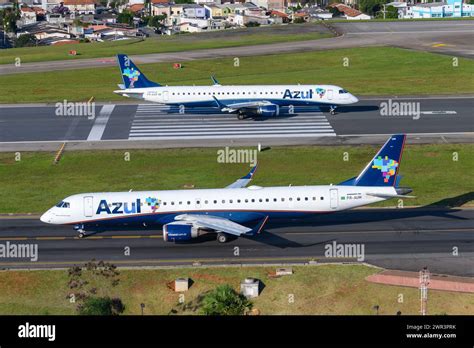
As Delta cements its LATAM alliance and United strengthens ties with Azul, American cannot afford to remain idle. A financial foothold in Azul would grant access to an agile carrier with over 100 domestic destinations and an established reputation for quality service.
Chapter 11 Timeline and Recovery Strategy
Azul is currently expected to emerge from bankruptcy by February 2026, assuming planned equity injections proceed. The reorganization aims to streamline debt obligations while preserving Azul’s operational core. This includes the divestment of 20 older aircraft, as well as negotiations with lessors to cut lease costs.
United’s confidence, now manifested through its approved investment, signals a positive outlook on Azul’s long-term viability. American’s looming decision could either reinforce that vote of confidence—or open the door to deeper strategic rivalry.
The Competitive Landscape in South America
American and United’s maneuvers in Brazil should be viewed within the broader triangular competition between the three major U.S. carriers in Latin America:
- Delta has locked in a joint venture with LATAM, providing access to over 120 South American destinations.
- United strengthens Azul ties, gaining reach into non-traditional Brazilian cities.
- American remains tied to GOL—but could leapfrog ahead by backing Azul instead.
As Brazil recovers from the pandemic and air travel surges across emerging markets, the winner of this U.S. airline turf war could claim unmatched dominance across Latin America.
Conclusion: American’s Next Strategic Play
The potential investment by American Airlines into Azul would not only alter Brazil’s aviation equilibrium but also reshape the competitive map for U.S. carriers in Latin America. With Azul’s unique regional strategy, a modern fleet, and a loyal customer base, it represents a rare high-reward opportunity—albeit one with regulatory and strategic risk.
As Azul advances through its bankruptcy process, its appeal to deep-pocketed partners grows. For American Airlines, waiting too long may mean surrendering the last strategic piece of the South American puzzle to United or Delta. The next few months will determine whether American steps into the fray—or watches from the sidelines as rivals divide the continent’s most promising aviation market.