The destruction of two U.S. Air Force MC-130J Commando II aircraft in Iran, each valued at more than $100 million, reveals the brutal realities of modern combat search and rescue operations. While military aviation often highlights advanced technology and precision capabilities, the incident demonstrates that even the most sophisticated platforms can become expendable when missions unfold deep inside hostile territory. The aircraft were intentionally destroyed during a dangerous mission to recover a downed F-15E Strike Eagle crew, emphasizing a long-standing military doctrine: protect personnel and classified technology at all costs.
The operation, which unfolded over several tense days in early April, involved an extensive network of special operations aircraft, drones, intelligence platforms, and ground forces operating within Iranian airspace. The mission illustrates how modern warfare blends aviation, surveillance, and special operations into a highly coordinated effort designed to rescue isolated personnel under the most challenging conditions.
Despite the financial loss, the mission achieved its primary objective—both aircrew members were successfully recovered, highlighting the enduring principle that the lives of trained personnel outweigh even the most advanced equipment.
Understanding the MC-130J Commando II and Its Strategic Role
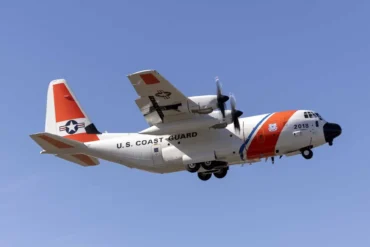
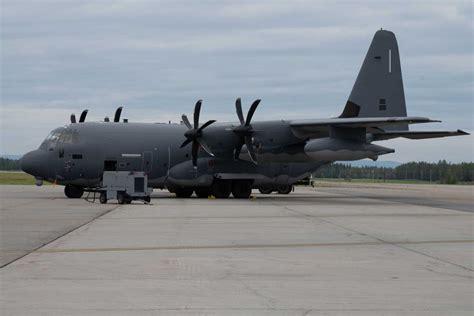
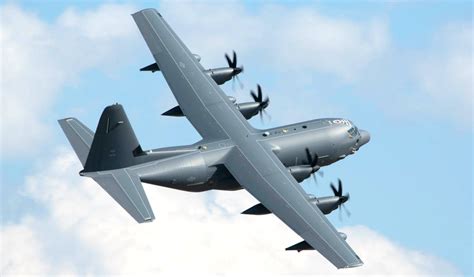
The MC-130J Commando II is one of the most specialized aircraft in the United States Air Force inventory. Operated primarily by Air Force Special Operations Command (AFSOC), the aircraft is designed for missions that require stealthy infiltration, precise logistics, and deep penetration into hostile territory. Based on the proven Lockheed Martin C-130 Hercules platform, the MC-130J incorporates a wide range of modifications that transform it into a highly capable special operations asset.
Its mission profile includes low-level night flights, aerial refueling of helicopters, insertion of special operations forces, and covert extraction operations. These capabilities allow U.S. forces to operate far beyond conventional front lines, often inside areas where traditional aircraft would face significant risk.
The aircraft is equipped with advanced systems that include:
- Sophisticated avionics and navigation suites optimized for low-altitude terrain-following flight
- Electronic warfare systems designed to counter modern air defense threats
- Infrared countermeasures and missile warning systems to defeat heat-seeking missiles
- Precision airdrop capabilities enabling delivery of troops and supplies in austere environments
Each aircraft represents not only a financial investment exceeding $100 million, but also decades of engineering refinement and classified technological development. Losing such an aircraft is significant, but allowing its systems to fall into adversary hands could create far greater strategic consequences.
Why the U.S. Military Destroyed Its Own Aircraft
The decision to destroy the MC-130Js was not accidental or impulsive. Instead, it followed established military denial doctrine, which requires forces to eliminate sensitive equipment when recovery becomes impossible in hostile territory.
During the rescue mission, the aircraft reportedly became stranded or compromised on the ground, leaving them vulnerable to discovery by Iranian forces. Once the situation deteriorated to the point where extraction was no longer feasible, commanders faced a stark choice: attempt a risky recovery operation or destroy the aircraft before they could be captured.
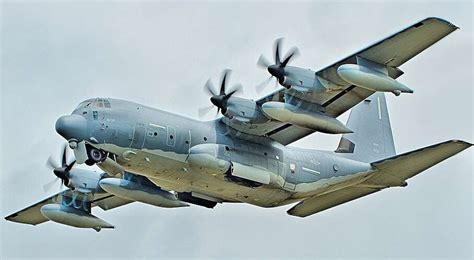
Allowing an adversary to examine an intact MC-130J could expose critical systems such as electronic warfare technology, defensive countermeasures, and secure communication equipment. These systems are designed specifically to defeat modern threats, and their compromise could undermine future missions around the world.
In this context, the destruction of the aircraft becomes a strategic necessity rather than a financial loss. Protecting sensitive capabilities ensures that adversaries cannot study weaknesses, replicate technologies, or develop new countermeasures against U.S. special operations forces.
The High-Risk Rescue Mission That Triggered the Incident
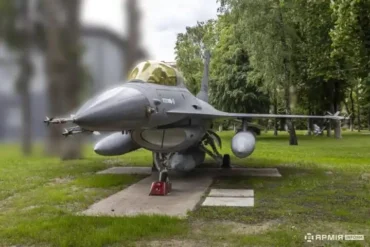
The dramatic loss of the aircraft occurred during one of the most complex combat search and rescue (CSAR) operations in recent years. The mission began when a U.S. Air Force F-15E Strike Eagle was shot down over Iranian territory on April 3, immediately triggering an urgent effort to locate and recover the two crew members.
While one airman was recovered relatively quickly, the second—identified as a weapons systems officer (WSO)—remained isolated behind enemy lines for nearly 48 hours. This created an extremely dangerous situation, as Iranian forces reportedly launched an intensive search operation while offering financial rewards for the pilot’s capture.
To maintain situational awareness, the United States deployed MQ-9 Reaper drones to provide continuous surveillance over the area. These unmanned aircraft reportedly monitored the survivor’s position and engaged hostile forces approaching the location. The drones effectively acted as both guardian and reconnaissance platform, ensuring the downed airman remained protected until extraction could occur.
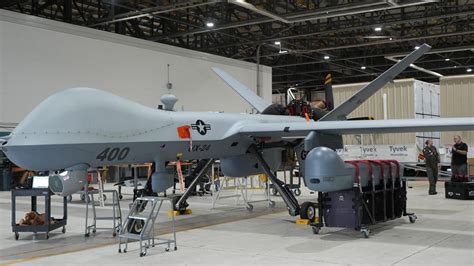
Meanwhile, special operations teams were inserted under cover of darkness. Aircraft such as the MC-130J played a crucial role by transporting personnel, coordinating logistics, and supporting helicopter operations needed to reach the isolated airman.
However, operating inside denied airspace controlled by Iranian defenses significantly increased the risk. Terrain challenges, uncertain landing conditions, and the presence of hostile forces created a rapidly evolving battlefield environment. At some point during the operation, the situation on the ground forced commanders to abandon the compromised aircraft.
A Costly Decision That Ultimately Saved Lives
From a purely financial perspective, the destruction of two MC-130Js represents a loss exceeding $200 million in military hardware. Yet military planners evaluate such situations through a different lens.
The training required to produce experienced pilots, weapons officers, and special operations personnel often spans many years and millions of dollars per individual. More importantly, these individuals represent irreplaceable operational experience that cannot be rapidly replicated.
In this mission, the successful recovery of both F-15E crew members confirmed the underlying principle guiding the decision. Equipment can be replaced. Highly trained personnel—and the knowledge they carry—cannot.
The mission also demonstrated the extraordinary resilience of modern CSAR operations. Even under intense pressure inside hostile territory, U.S. forces coordinated across multiple domains to achieve their objective.
Lessons from the Past: Operation Eagle Claw
The events surrounding the MC-130J destruction inevitably draw comparisons to Operation Eagle Claw, the failed 1980 mission to rescue American hostages in Tehran. That operation remains one of the most significant setbacks in the history of U.S. special operations.
The mission collapsed due to mechanical failures, severe weather, and poor coordination between military branches. A catastrophic accident occurred when a helicopter collided with a Lockheed C-130 Hercules during refueling operations, killing eight servicemen and forcing the mission to be aborted.
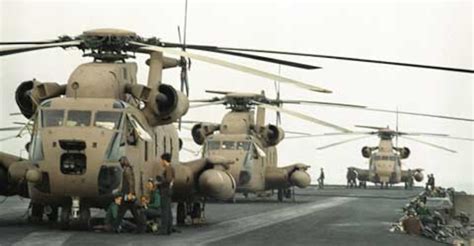
The disaster exposed deep structural problems in the way the U.S. military organized complex operations. At the time, different branches operated largely independently, with limited experience conducting joint missions under a unified command.
The aftermath of Eagle Claw led directly to major reforms, including the establishment of United States Special Operations Command (USSOCOM) and improved joint operational planning. These changes fundamentally reshaped how American forces conduct high-risk missions abroad.
How Modern Special Operations Have Evolved
The 2026 rescue mission inside Iran demonstrates how dramatically U.S. capabilities have evolved since the early 1980s. Modern operations benefit from an integrated system that combines airpower, intelligence, cyber capabilities, satellite surveillance, and unmanned aircraft into a unified operational framework.
Real-time intelligence feeds allow commanders to track evolving threats and adapt plans quickly. Advanced aircraft such as the MC-130J Commando II provide unparalleled flexibility in inserting and extracting forces. Meanwhile, unmanned systems extend surveillance coverage and deliver precision strikes when necessary.
These improvements dramatically increase the probability of mission success, even in highly contested environments.
The loss of the aircraft therefore reflects not a failure of planning, but the inherent risk of conducting operations deep within hostile territory. When situations deteriorate unexpectedly, commanders must make difficult decisions that balance strategic security against financial cost.
What the Incident Reveals About Modern Air Warfare
The destruction of two MC-130J aircraft highlights several defining characteristics of 21st-century air warfare. First, it underscores the critical importance of personnel recovery missions, which remain a top priority for military forces around the world.
Second, it reveals the extent to which modern aircraft incorporate highly sensitive technologies that cannot be allowed to fall into enemy hands. The sophistication of these systems transforms aircraft from mere transportation platforms into complex intelligence assets.
Finally, the incident illustrates the brutal calculus of modern warfare. Even aircraft worth hundreds of millions of dollars can become expendable when the mission demands it.
The successful rescue of the F-15E crew demonstrates that the mission ultimately achieved its goal. In the unforgiving environment of special operations, the willingness to sacrifice equipment in order to protect lives remains a defining principle of military strategy.