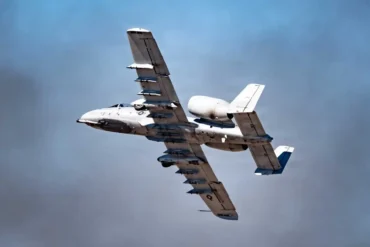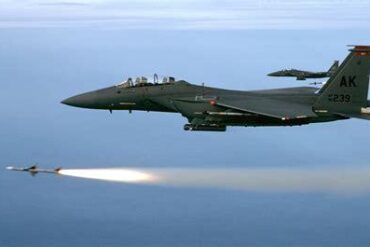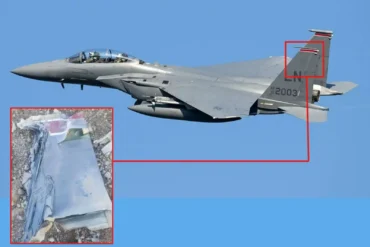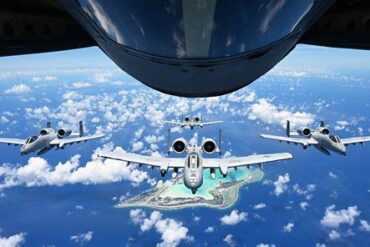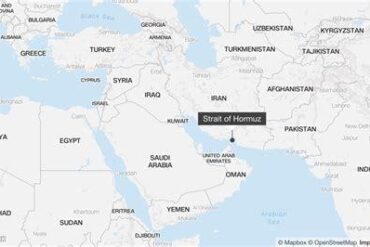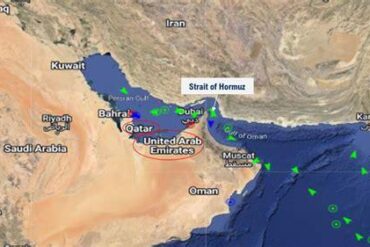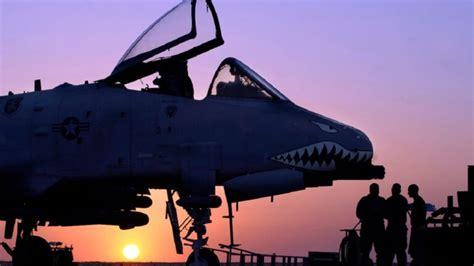
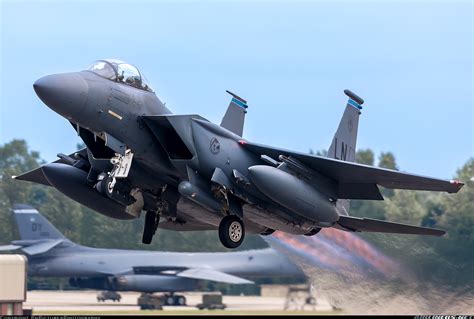
The loss of a A-10 Thunderbolt II during an active combat environment underscores a rapidly intensifying air war over the Persian Gulf. The aircraft went down near the Strait of Hormuz at nearly the same moment a F-15E Strike Eagle was reportedly shot down over Iran, creating a layered crisis for the United States Air Force.
The A-10 pilot successfully ejected and was recovered, a rare piece of good news in an otherwise volatile sequence of events. Yet the cause of the crash remains uncertain, with early assessments unable to determine whether hostile fire, mechanical failure, or cumulative battle damage played a decisive role.
Twin Losses Signal Escalation in Air Combat Risk
The near-simultaneous loss of two frontline aircraft is not coincidence—it reflects a densely contested battlespace where multiple missions overlap under constant threat. The downing of the F-15E triggered an immediate combat search and rescue operation, one of the most dangerous missions in modern warfare due to its urgency and exposure.
Operating in such an environment forces aircraft into predictable patterns, increasing vulnerability. The A-10’s presence in the same operational window suggests it may have been either directly supporting the rescue effort or conducting parallel combat operations in the same high-threat zone.
A USAF A-10 Warthog crashed near the Strait of Hormuz earlier today -US officials to the NYT
The pilot was safely rescued. pic.twitter.com/JfvJAUjJK4
— OSINTtechnical (@Osinttechnical) April 3, 2026
Unclear Mission Profile Raises Strategic Questions
The precise role of the A-10 at the time of the incident remains unconfirmed, but its deployment in the region offers strong clues. The aircraft is widely known for close air support dominance, but in the Gulf theater it has expanded into multiple roles.
These typically include:
- Armed overwatch for rescue missions
- Strike operations against ground and naval targets
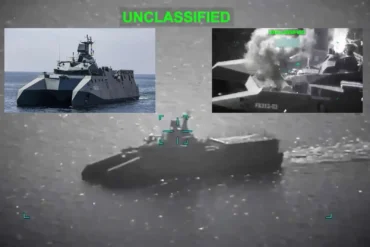
- Protection of maritime traffic from fast-attack craft threats
Given the strategic sensitivity of the Strait of Hormuz—through which a significant portion of global oil supply flows—any military presence carries both tactical and geopolitical weight. The A-10’s rugged design and heavy armament make it ideal for asymmetric threats, particularly against small boats or dispersed ground units.
Strait of Hormuz: A High-Stakes Airspace
The geography of the Strait transforms it into a chokepoint of global consequence. Narrow, heavily trafficked, and constantly monitored, it has become a focal point for military operations as tensions escalate.
Aircraft operating here face a unique combination of threats:
- Advanced surface-to-air missile systems
- Mobile anti-aircraft platforms
- Electronic warfare interference
- Limited maneuvering space due to civilian traffic
This environment compresses decision-making time and increases the likelihood of rapid escalation from surveillance to engagement.
Survival and Recovery: A Critical Success Amid Uncertainty
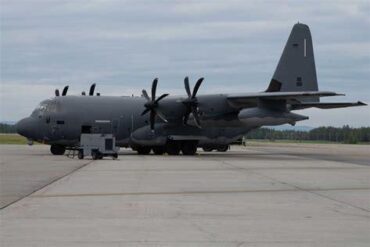
Despite the loss of the airframe, the successful recovery of the A-10 pilot highlights the effectiveness of USAF rescue doctrine under pressure. Combat search and rescue missions are among the most complex operations, often requiring coordination between fighters, tankers, drones, and rescue helicopters.
The fact that recovery was achieved suggests that, even under threat, the operational network remains intact and responsive.
A Conflict Entering a More Dangerous Phase
The simultaneous incidents involving both the A-10 and F-15E point toward a shifting operational reality. Air superiority can no longer be assumed, even for advanced platforms. Instead, every sortie carries elevated risk, particularly in regions saturated with modern air defenses.
As investigations continue, the unanswered questions surrounding the A-10’s mission and cause of loss will shape future tactics. What is already clear, however, is that the skies over the Strait of Hormuz have become significantly more dangerous—and far less predictable.