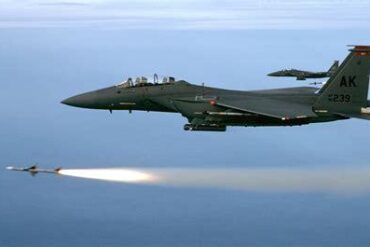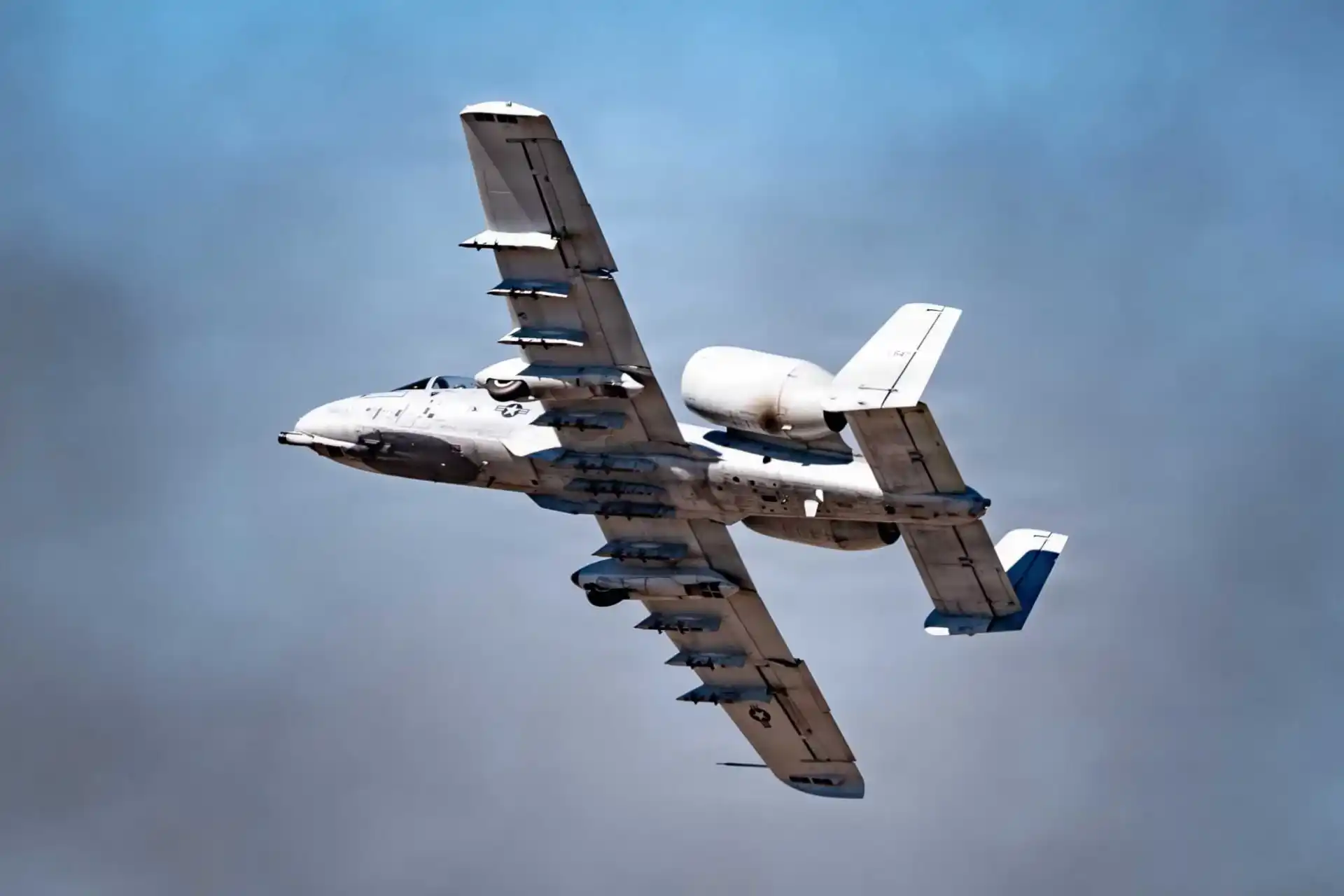
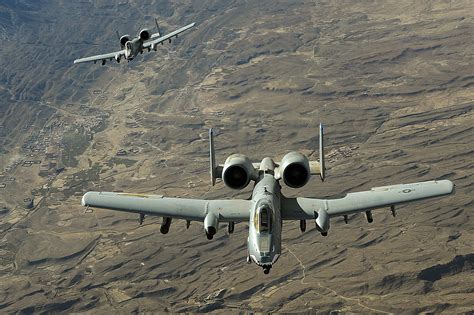
The resurgence of the A-10 Thunderbolt II in modern combat is no longer theoretical—it is unfolding in real time over one of the most volatile maritime corridors on Earth. During Operation Epic Fury, U.S. Air Force A-10s have delivered a decisive operational impact in the Strait of Hormuz, targeting Iranian fast attack craft and coastal missile infrastructure with a level of persistence and precision that few platforms can match. The mission is not only about tactical success; it is redefining the relevance of close air support (CAS) in an era dominated by stealth and stand-off warfare.
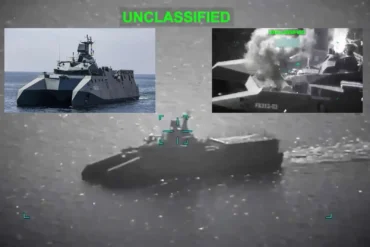
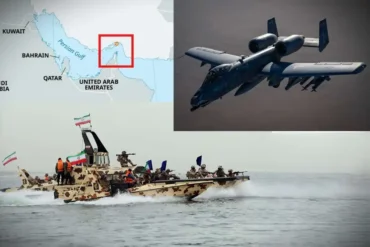
The battlespace over Hormuz presents a uniquely complex challenge. Iranian forces rely heavily on asymmetric naval tactics—small, fast-moving boats equipped with rockets, mines, and anti-ship missiles. These vessels blend into dense maritime traffic, creating an environment where identification and engagement demand real-time visual confirmation. High-speed jets operating at altitude struggle in such conditions. The A-10, however, thrives here, flying low and slow, maintaining a constant presence over the water, and engaging threats with surgical precision.
What is unfolding under Epic Fury is not merely a demonstration of firepower—it is a validation of a combat philosophy built on endurance, visibility, and raw destructive capability.
The Strategic Reality of Operation Epic Fury
Operation Epic Fury has placed the A-10 at the center of a joint force effort aimed at preserving freedom of navigation through the Strait of Hormuz. This narrow waterway carries a significant portion of the world’s oil supply, making it a strategic chokepoint where even minor disruptions can trigger global economic shockwaves.
Unlike conventional air campaigns focused on high-value targets, Epic Fury demands the neutralization of numerous low-signature, rapidly maneuvering threats. Iranian swarm tactics are designed to overwhelm defenses through speed and numbers. This creates a battlespace where persistence matters more than speed, and where continuous presence outweighs fleeting dominance.
The A-10’s ability to loiter for extended periods allows it to maintain constant pressure on hostile forces. Pilots can track, identify, and engage targets as they emerge, rather than relying on pre-planned strike windows. This transforms the aircraft into a real-time battlefield enforcer, capable of reacting instantly to dynamic threats.
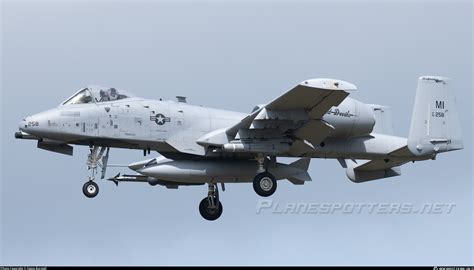
GAU-8 Avenger: The Weapon That Defines the Warthog
At the heart of the A-10’s dominance lies its iconic GAU-8/A Avenger 30mm cannon, a weapon system that remains unmatched in modern air combat. Capable of firing up to 3,900 rounds per minute, the cannon delivers devastating firepower with extraordinary accuracy. In the context of maritime warfare, this translates into the ability to shred fast attack craft within seconds.
The cannon’s effectiveness is amplified by the aircraft’s design. The A-10 is built around the GAU-8, with the weapon forming the literal and conceptual core of the platform. Its ammunition—often a mix of depleted uranium and high-explosive incendiary rounds—ensures lethal impact against both armored and lightly protected targets.
Unlike precision-guided munitions that require target designation and lock-on, the GAU-8 allows pilots to engage immediately upon visual identification. This is critical in a congested maritime environment where seconds determine outcomes. The ability to conduct multiple attack passes further enhances its lethality, enabling sustained suppression of enemy assets.
Multi-Role Firepower Beyond the Cannon
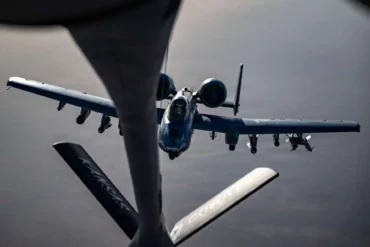
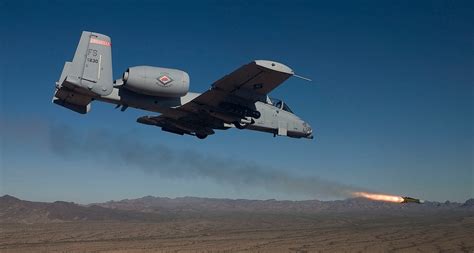
While the GAU-8 defines the A-10’s identity, its broader arsenal transforms it into a versatile strike platform capable of adapting to evolving threats. With a payload capacity of approximately 16,000 pounds across 11 hardpoints, the aircraft can carry a diverse mix of weapons tailored to mission requirements.
Its combat loadout during Epic Fury has included:
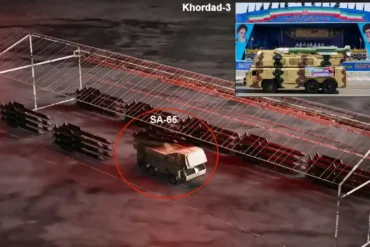
- AGM-65 Maverick missiles for precision strikes against coastal radar systems and missile launchers
- GBU-12 and GBU-38 guided bombs for fixed infrastructure and hardened targets
- Hydra 70 rocket pods, including laser-guided APKWS variants, ideal for engaging small, fast-moving boats
This flexibility allows the A-10 to transition seamlessly between mission types, from maritime interdiction to suppression of enemy air defenses. It is not simply a close air support aircraft—it is a multi-dimensional battlefield tool.
Survivability: Built to Fight Where Others Cannot
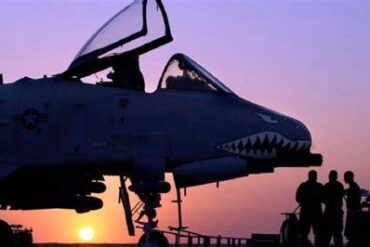
The A-10’s survivability is a defining characteristic that sets it apart from every other aircraft in the U.S. inventory. Designed to operate in hostile, low-altitude environments, it features a titanium-armored cockpit, redundant flight systems, and a structure capable of withstanding significant battle damage.
In the contested airspace along Iran’s coastline, these features are not optional—they are essential. The region is saturated with short-range air defenses, small-arms fire, and mobile missile systems. While stealth aircraft avoid detection, the A-10 embraces exposure, relying on its rugged construction and tactical maneuvering to survive.
Electronic countermeasures, chaff, and flare systems further enhance its defensive capabilities. Terrain masking—flying low to use the environment as cover—adds another layer of protection. This combination allows the A-10 to operate in zones where other aircraft would face unacceptable risk.
The result is a platform that can absorb punishment, remain in the fight, and continue delivering firepower when it matters most.
Combat-Proven Across Modern Conflicts
Operation Epic Fury is not an isolated case—it is the latest chapter in a long history of A-10 combat effectiveness. From the deserts of Iraq to the mountains of Afghanistan and the urban battlefields of Syria, the aircraft has consistently demonstrated its value.
In Iraq and Syria, A-10s played a critical role in counter-ISIS operations, providing precision close air support in densely populated areas. Their ability to loiter over cities like Mosul and Raqqa allowed continuous engagement of enemy positions while minimizing collateral damage.
In Afghanistan, the aircraft became synonymous with troops-in-contact scenarios, arriving quickly and staying overhead to deliver repeated attack runs against insurgent forces. Its low-speed handling and excellent cockpit visibility enabled pilots to coordinate closely with ground troops, ensuring accurate and timely strikes.
Even in Europe, A-10 deployments have reinforced NATO operations, showcasing their ability to operate from forward bases and respond rapidly to emerging threats. These missions highlight a consistent theme: the A-10 excels in complex, high-pressure environments where adaptability is critical.
The Kill-Chain Advantage in Fragmented Warfare
One of the most significant insights emerging from Operation Epic Fury is the A-10’s role as a kill-chain stabilizer. In modern warfare, the process of detecting, identifying, and engaging targets—known as the kill chain—is often disrupted by communication delays, electronic warfare, and rapidly changing conditions.
The A-10 mitigates these challenges through continuous presence and pilot-driven decision-making. By remaining on station, pilots can visually confirm targets and execute strikes without relying on complex, multi-layered command structures. This reduces latency and increases the speed of engagement.
In a battlespace where threats appear and disappear within minutes, this capability is invaluable. The A-10 effectively bridges the gap between sensors and shooters, ensuring that opportunities are not lost due to delays or miscommunication.
Psychological and Tactical Suppression Effects
Beyond its physical impact, the A-10 exerts a powerful psychological effect on adversary forces. The constant presence of a Warthog overhead forces enemy units to remain concealed, delaying operations and disrupting coordination.
Iranian fast attack craft, designed to rely on speed and surprise, are particularly vulnerable to this form of suppression. The knowledge that an A-10 can appear at any moment—and engage immediately—undermines the effectiveness of swarm tactics.
This “presence effect” is difficult to quantify but strategically significant. It reduces the operational tempo of enemy forces, limits their freedom of movement, and creates a persistent sense of vulnerability.
Why Fifth-Generation Fighters Cannot Replace the A-10
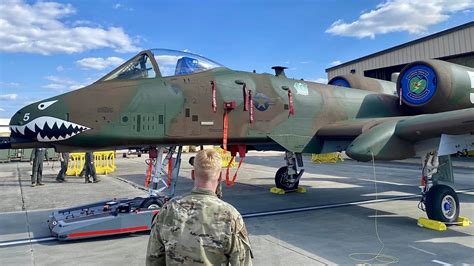
The ongoing success of the A-10 during Epic Fury highlights a critical gap in modern airpower doctrine. Aircraft like the F-35 excel in penetrating defended airspace and striking high-value targets, but they are not optimized for sustained engagement of numerous low-value, high-impact threats.
Speed, stealth, and advanced sensors are invaluable in many scenarios, but they do not replace the need for persistent, low-altitude firepower. The A-10 fills this niche with unmatched effectiveness, providing capabilities that cannot be replicated by multi-role fighters or unmanned systems.
Attack helicopters offer similar low-altitude engagement but lack the A-10’s range, payload, and survivability. Drones provide endurance but cannot match the immediacy and flexibility of a human pilot in dynamic combat situations.
The result is a unique operational role that remains unfilled by any other platform.
A Strategic Asset Defying Retirement
Despite repeated plans to retire the A-10, Operation Epic Fury is forcing a reassessment of its value. The aircraft is not competing with next-generation systems—it is complementing them, addressing a critical operational requirement that remains unmet.
Its performance in the Strait of Hormuz underscores its relevance in gray-zone conflicts, where engagements fall short of full-scale war but carry significant strategic consequences. Securing global energy routes, countering asymmetric threats, and maintaining maritime stability all require the kind of capabilities the A-10 provides.
As long as these challenges persist, the A-10 will remain more than a legacy platform—it will be an indispensable component of modern warfare.
The Enduring Legacy of the Warthog
Operation Epic Fury is not just a tactical success—it is a powerful reminder that innovation in warfare is not always about replacing the old with the new. Sometimes, it is about recognizing the enduring value of a platform designed for a specific purpose and executed with unmatched effectiveness.
The A-10 Thunderbolt II embodies this principle. Its combination of loiter time, firepower, survivability, and pilot visibility creates a capability set that remains unrivaled. In the skies over the Strait of Hormuz, the Warthog is not just surviving—it is dominating.
And until a system emerges that can replicate its unique strengths, the unmistakable roar of the A-10’s cannon will continue to define the battlefield below.