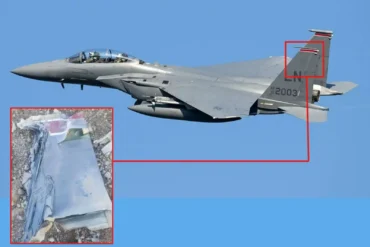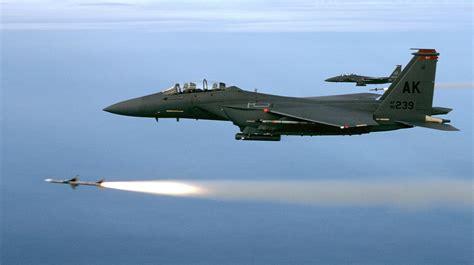
In the early hours of March 1, 2026, a high-stakes military operation over Kuwait took an unexpected and sobering turn. Three United States Air Force F-15E Strike Eagle fighter jets were mistakenly shot down by Kuwaiti air defenses during active combat operations linked to Operation Epic Fury, a broader American campaign unfolding amid rising geopolitical tensions in the region. Despite the severity of the incident, all six American aircrew members ejected safely and were recovered in stable condition, averting what could have been a far more tragic outcome.
The shootdowns occurred at approximately 7:03 a.m. local time, according to confirmation from United States Central Command (CENTCOM). In a formal statement, CENTCOM acknowledged that the aircraft were “mistakenly shot down by Kuwaiti air defenses” during combat operations. Kuwait, a longstanding US ally hosting American military assets, has formally recognized the incident and launched a joint investigation with US authorities to determine precisely how the misidentification occurred.
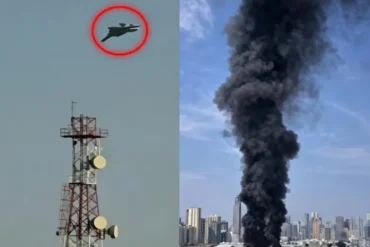
The images that began circulating shortly after the event intensified global attention. Verified footage showed at least one of the twin-seat strike fighters spiraling downward, trailing smoke over the outskirts of Kuwait City, near the western district of Al Jahra. Additional video captured a parachute descending slowly against the pale desert sky—visual confirmation that the aircrew had initiated successful ejection procedures under extreme pressure.
Safe Ejection and Swift Recovery in Hostile Conditions
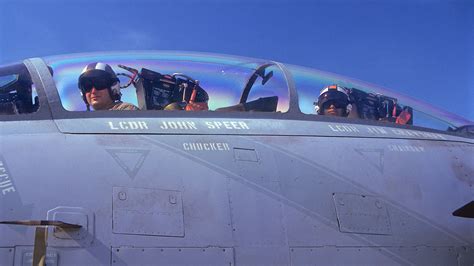
Each F-15E Strike Eagle carries a two-person crew: a pilot in the forward cockpit and a Weapon Systems Officer (WSO) in the rear. With three aircraft involved, six service members were directly affected. CENTCOM confirmed that all personnel ejected safely, were recovered promptly, and remain in stable medical condition.
The Kuwait Army, citing its Ministry of Defense, stated that search-and-rescue protocols were activated immediately. Crews were transported to medical facilities for evaluation and precautionary care. In modern air combat, ejection is a violent and dangerous act, subjecting aircrew to immense physical forces. The successful recovery of all six individuals underscores the effectiveness of both the aircraft’s escape systems and the rapid coordination between allied ground forces.
Kuwaiti defense officials emphasized their continued support of US operations and pledged full transparency in determining the root causes. Friendly fire incidents, while rare, often stem from a lethal combination of compressed decision timelines, radar misidentification, and heightened threat perceptions—particularly during complex, multi-layered operations such as Epic Fury.
Operation Epic Fury and Regional Tensions
Operation Epic Fury was initiated amid escalating regional instability, with American forces conducting active missions in proximity to Iranian airspace. While operational specifics remain classified, the intensity of the mission environment likely contributed to the breakdown in identification protocols.
Modern integrated air defense systems rely on Identification Friend or Foe (IFF) technology, encrypted communication links, and shared situational awareness across coalition forces. When those systems fail—or when human interpretation overrides electronic safeguards—the results can be catastrophic. Investigators will be scrutinizing radar tracks, communications logs, engagement authorizations, and command structures to understand whether procedural errors, technical faults, or environmental factors played decisive roles.
The geopolitical dimension cannot be ignored. Kuwait hosts significant US military infrastructure and has historically operated in close coordination with American forces since the Gulf War era. Incidents of this nature test alliances, but history suggests that transparent joint investigations often reinforce rather than weaken military partnerships.
The F-15E Strike Eagle: A Multi-Role Powerhouse
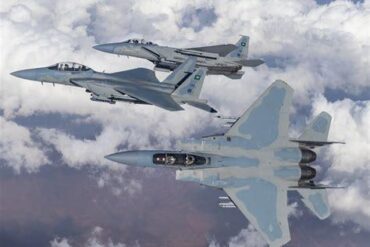
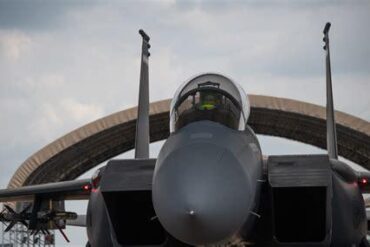
The aircraft involved, the McDonnell Douglas F-15E Strike Eagle, represents one of the most capable multi-role combat platforms ever fielded. Developed from the original F-15 Eagle, which entered service in 1976, the Strike Eagle variant was designed for deep interdiction and precision strike missions.
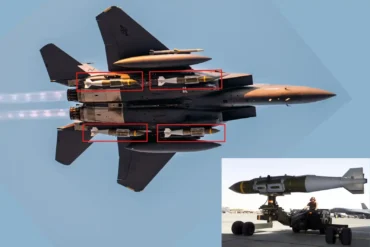
First flying in 1986 and entering operational service in 1989, the F-15E introduced a two-seat cockpit configuration that allowed for mission specialization. The pilot focuses on flight and air combat maneuvering, while the Weapon Systems Officer manages targeting systems, radar, electronic warfare suites, and precision-guided munitions. This division of labor transformed the aircraft into a formidable all-weather, day-and-night strike platform.
Across all variants, more than 435 Strike Eagles were produced. Even decades after its debut, the aircraft remains operationally relevant, thanks to continuous avionics upgrades, improved radar systems, and advanced electronic warfare capabilities. The newer F-15EX Eagle II, with a flyaway cost approaching $94 million including advanced protection systems, builds upon this lineage with expanded payload capacity and modernized digital architecture.
The loss of three F-15Es in a single incident represents not only a tactical setback but also a significant material cost. Yet the strategic calculus in military operations always prioritizes personnel safety above hardware. Aircraft can be replaced; trained aircrew cannot.
Media Verification and Public Scrutiny
Major international outlets, including the BBC and The Independent, verified geolocation data confirming that the incident unfolded near Kuwait City. The rapid spread of smartphone footage illustrates the modern reality of warfare in the digital age. Events that once might have remained opaque for hours now become global headlines within minutes.
This immediate visibility increases public scrutiny but also compels rapid official clarification. Both CENTCOM and Kuwaiti authorities responded with coordinated statements, signaling an understanding that transparency mitigates speculation. In the absence of official information, narratives tend to proliferate unchecked.
Strategic Implications and the Road Ahead
Friendly fire incidents occupy a painful chapter in military history, from past coalition conflicts to contemporary joint operations. They expose the fragile interplay between human judgment and technological systems. Advanced radar, encrypted communications, and automated defense algorithms reduce risk, yet they do not eliminate it entirely. War compresses time, elevates stress, and demands split-second decisions where ambiguity can prove deadly.
The joint US-Kuwaiti investigation will likely examine engagement authorization chains, airspace deconfliction measures, and real-time communication protocols. Any procedural gaps identified will inform updated safeguards designed to prevent recurrence.
For now, the defining fact remains that all six aircrew members survived. In a high-intensity combat theater, that outcome represents disciplined training, robust aircraft design, and effective allied rescue coordination functioning under extreme circumstances.
The incident serves as a stark reminder that even among allies operating under shared objectives, the margin for error in modern aerial warfare remains razor-thin.