The Strait of Hormuz, a vital artery for global oil and gas trade, is currently at the center of escalating geopolitical tensions, particularly as Iranian military officials contemplate a potential closure of this critical waterway. Sardar Esmail Kowsari, a commander in the Iranian Revolutionary Guard, has openly stated that the option of closing the Strait is “under consideration,” indicating Iran’s readiness to take decisive actions to safeguard its interests. This declaration not only heightens the stakes in the ongoing regional conflicts but also poses severe consequences for international trade, particularly affecting Europe’s energy security.
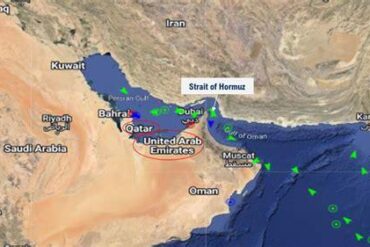
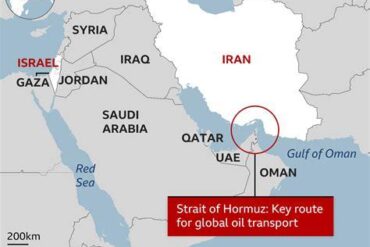
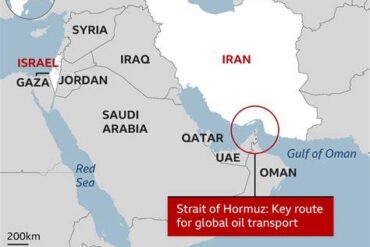
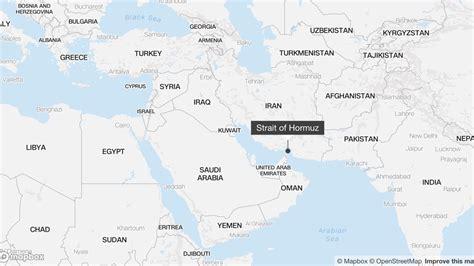
The Strait of Hormuz connects the Persian Gulf with the Gulf of Oman and lies between Iran and the Arabian Peninsula. As the world’s most important shipping lane for oil, it facilitates the transit of crude oil and liquefied natural gas from the Middle East to various global markets. Approximately 20% of the world’s oil supply passes through this narrow passage daily, making it indispensable for energy-dependent economies. A disruption in this corridor would have profound ramifications, not just for regional players but also for global markets, particularly in Europe, which relies heavily on imports from countries like Saudi Arabia, Qatar, and the UAE.
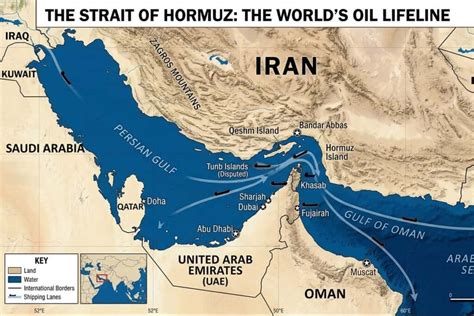
Should Iran decide to restrict access to the Strait, the implications for European energy security could be dire. Countries such as Germany, France, and Italy, which are heavily reliant on oil and gas imports from the Gulf, would experience significant energy shortages. The immediate aftermath of such a blockade would likely see global oil prices surge, exacerbating inflation and pushing up energy costs across Europe. The manufacturing, transport, and agricultural sectors, already grappling with supply chain disruptions, would face soaring operational costs, putting their global competitiveness at risk. Furthermore, heightened volatility in European stock exchanges could trigger market instability, further undermining economies that depend on affordable energy supplies.
Beyond oil, the Strait of Hormuz is crucial for a variety of goods essential to global trade. The disruption of shipping through this vital passage could delay deliveries of raw materials, electronics, and consumer products, leading to widespread shortages and price hikes. For European nations, this would particularly impact industries that rely on timely imports. The electronics and manufacturing sectors, in particular, would suffer as their supply chains are heavily dependent on the seamless transit of goods through this strategic route. Moreover, increased insurance premiums for shipping companies, prompted by threats to safety in this area, would inevitably raise the costs of goods and services, affecting consumers and businesses alike.
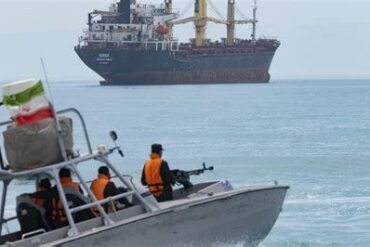
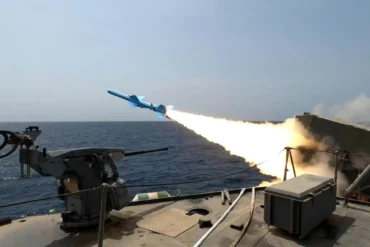
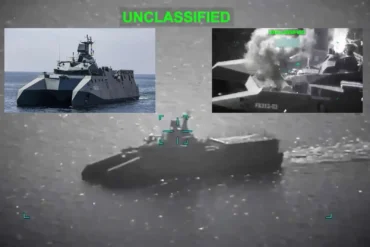
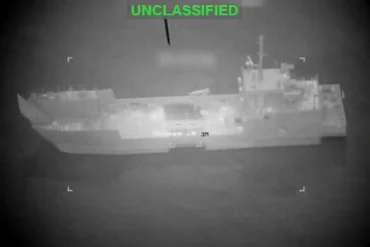
The possibility of Iran closing the Strait of Hormuz has also raised alarms about potential military escalation in the region. The Iranian Revolutionary Guard has made it clear that they are prepared to act against what they perceive as “enemy” interests, suggesting that military interventions are a viable option. This situation could quickly escalate into a broader conflict involving U.S. and European naval forces, Gulf states, and other regional powers. Such a confrontation could spiral into a full-scale regional war, drawing Europe into the fray due to NATO obligations and its vested interests in maintaining stability in the Middle East. While the U.S. and European nations have maintained a significant military presence in the Gulf to ensure freedom of navigation, a blockade by Iran would place these forces in direct conflict with Iranian naval units. Iran has demonstrated its capabilities in both conventional and unconventional warfare, as seen in its previous cyberattacks and military maneuvers.
The broader economic and security fallout of a potential blockade would extend far beyond energy markets. Disruptions to global trade flows, combined with heightened geopolitical tensions, would create a volatile economic climate. Given Europe’s close ties to the Middle East through energy imports and trade routes, any instability in this region would yield immediate repercussions. While the energy sector would face the brunt of the impact, other sectors such as tourism, logistics, and finance would also experience significant challenges. Delays in shipping would hinder the timely movement of goods, especially impacting industries that depend on just-in-time inventory systems. Additionally, the economic slowdown caused by rising energy prices and trade disruptions would dampen consumer spending and investment, leading to sluggish economic growth.
As tensions rise in the Gulf, the international community is closely observing the evolving situation. Countries around the globe, particularly in Europe and Asia, are advocating for diplomatic solutions to prevent further escalation. Europe has called for calm and dialogue among all parties, emphasizing the importance of avoiding military confrontation and seeking peaceful resolutions. The European Union has underscored the necessity of upholding international law to ensure the security and openness of global shipping lanes. The United Nations and other international bodies are likely to play a pivotal role in mediating tensions and facilitating discussions between Iran and the global community. Efforts will be focused on de-escalating the situation, with the overarching goal of preventing a full-scale military conflict that could disrupt regional and global stability.
In conclusion, the potential closure of the Strait of Hormuz marks a critical juncture for global energy security, trade, and geopolitical stability. The threats posed by Iran to block this essential waterway would have far-reaching consequences, particularly for Europe, where energy prices and supply chains would be severely impacted. The economic ramifications could be dire, compounded by the looming threat of military escalation. As the international community strives to address these challenges through diplomacy and dialogue, the situation remains precarious. Ensuring the continued security of the Strait of Hormuz is vital not only for the Middle East but for the entire world, serving as a key lifeline for energy transport and global trade. It is imperative that global leaders act swiftly to avert further conflict and protect regional stability.