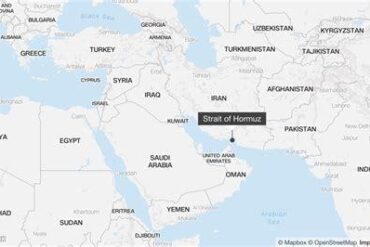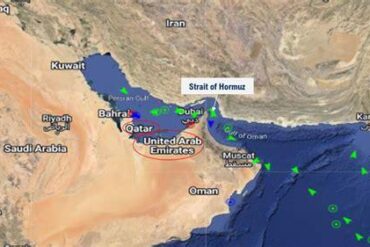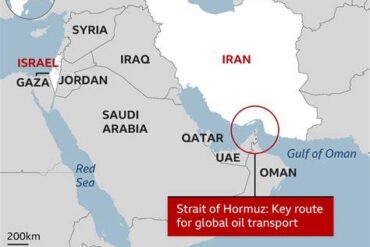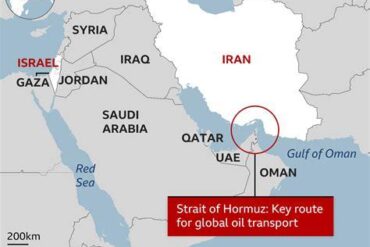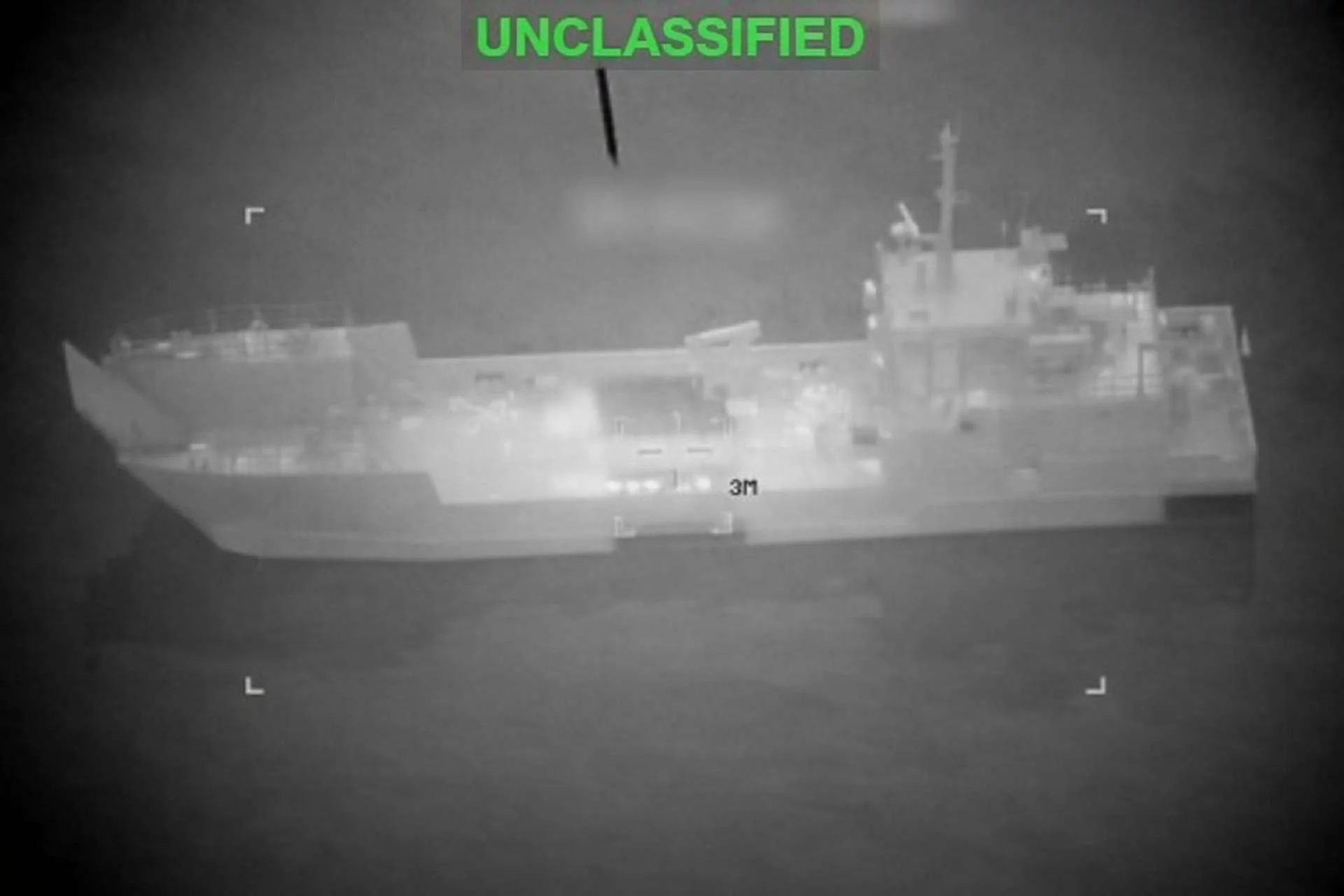
The Strait of Hormuz, a narrow maritime corridor linking the Persian Gulf to the Gulf of Oman, has once again become the focal point of global strategic tension. On March 10, U.S. forces carried out a targeted military strike that destroyed 16 Iranian mine-laying vessels, directly disrupting an attempt to seed naval mines along one of the world’s most vital energy shipping lanes. The action was confirmed by U.S. Central Command (CENTCOM), which described the operation as part of a broader effort to prevent the militarization of a chokepoint responsible for transporting roughly 20 percent of global petroleum supplies.
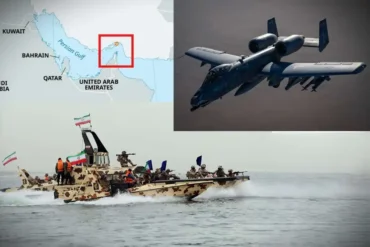
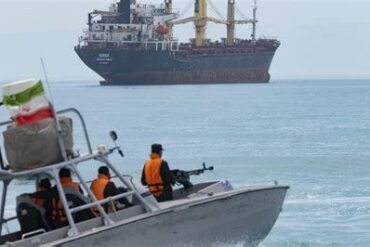
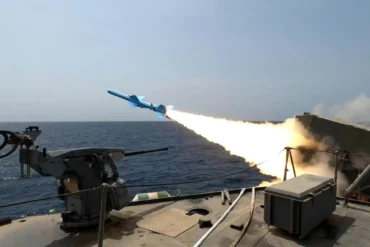
Iran’s suspected attempt to deploy naval mines in the strait represented a calculated escalation in a region already under severe geopolitical pressure. Intelligence assessments indicated that small Iranian craft capable of deploying multiple naval mines per sortie had begun moving toward key shipping lanes. These boats, typically operated by the Islamic Revolutionary Guard Corps Navy (IRGCN), are designed to operate quickly, blend into dense maritime traffic, and deploy mines before slipping away unnoticed.
In the confined geography of the Strait of Hormuz, the effectiveness of such a tactic can be profound. Shipping lanes are only two nautical miles wide in each direction, creating a highly constrained environment where even a handful of mines can force large commercial vessels to slow down and follow predictable paths. In such conditions, tankers and LNG carriers become vulnerable to additional threats, including coastal anti-ship missiles, drone attacks, and swarm boat tactics.
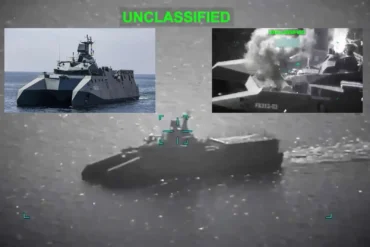
U.S. forces eliminated multiple Iranian naval vessels, March 10, including 16 minelayers near the Strait of Hormuz. pic.twitter.com/371unKYiJs
— U.S. Central Command (@CENTCOM) March 10, 2026
Strategic Strike Against Iran’s Maritime Mine Threat
The destruction of the 16 vessels was not merely a tactical success measured by numbers. Each boat represented a delivery platform for naval mines, a class of weapon historically capable of disrupting maritime commerce at minimal cost. Naval mines are often described by naval strategists as “weapons of uncertainty,” because their true impact comes less from how many ships they sink and more from the fear and operational paralysis they create.
Iran’s naval doctrine has long relied on asymmetric warfare in the Persian Gulf. Instead of attempting to match major naval powers ship for ship, Tehran has invested in tools that impose disproportionate costs on adversaries. Mine warfare sits at the center of this strategy. Small, inexpensive vessels loaded with mines can rapidly transform shipping corridors into dangerous waters that require extensive and time-consuming clearing operations.
CENTCOM did not disclose the specific models of naval mines destroyed in the operation or located in nearby storage facilities. However, defense analysts point to Iran’s documented inventory, which includes both simple contact mines and sophisticated influence mines designed to detect the magnetic, acoustic, or pressure signatures of passing vessels.
Among the mines known to be in Iranian stockpiles are:
- Sadaf-01 and Sadaf-02 contact mines
- Russian-designed MDM-6 bottom mines with heavy warheads
- Chinese-origin EM-52 rising mines
- MC-52 bottom-influence mines with non-magnetic casings
These systems do not require large-scale deployment to achieve their purpose. In a narrow channel like Hormuz, a small cluster of mines can force shipping companies to halt operations until the area is declared safe.
Iran’s Layered Anti-Access Strategy in the Persian Gulf
Iran’s maritime strategy extends well beyond small minelaying boats. Over the past decade, Tehran has constructed a layered anti-access and area-denial architecture, commonly abbreviated in military doctrine as A2/AD. This system integrates multiple platforms capable of threatening naval traffic simultaneously.
At the center of this architecture are unconventional naval platforms. One of the most notable is the Makran, a converted Aframax tanker that has been transformed into a floating forward operating base. The vessel reportedly displaces more than 121,000 metric tons and can carry helicopters, unmanned systems, and numerous fast attack boats. Analysts believe Makran may have the capacity to store up to 1,500 naval mines, giving Iran a large mobile stockpile that could be deployed across the Gulf.
Another platform drawing attention is the Shahid Mahdavi, a converted container ship equipped with a long flight deck and advanced radar systems. Designed to operate drones and support small naval craft, the ship functions as a mobile command node capable of coordinating distributed maritime attacks.
While neither vessel was reported destroyed in the March 10 strike, they illustrate the broader operational ecosystem that supports Iranian mine warfare. Small minelayers act as the front-line delivery units, while larger platforms provide logistics, command coordination, and replenishment.
Why Naval Mines Remain One of the Most Dangerous Maritime Weapons
Naval mines might appear technologically simple compared with modern missiles or drones, but they remain among the most disruptive weapons in maritime warfare. Their power lies in patience. Once deployed, a mine can remain hidden for months or even years, waiting silently beneath the water’s surface.
Historically, mines have caused disproportionate strategic damage. During the 1980s Iran–Iraq Tanker War, a single Iranian mine severely damaged the U.S. Navy frigate USS Samuel B. Roberts, demonstrating how relatively cheap weapons could threaten advanced naval forces.
Modern influence mines have become even more dangerous. Instead of detonating on contact, these systems analyze the physical signatures of passing ships and trigger only when the desired target profile appears. This makes them far harder to sweep and increases the uncertainty faced by shipping companies.
In the narrow waters of Hormuz, where ships must navigate shallow areas and follow designated traffic separation lanes, the presence of mines can effectively paralyze maritime traffic without firing a single missile.
The Global Economic Stakes of the Strait of Hormuz
The economic significance of the Strait of Hormuz cannot be overstated. In 2024, approximately 20 million barrels of oil per day flowed through the strait, representing about one-fifth of the world’s total petroleum consumption. In addition to crude oil, the waterway also carries a massive share of global liquefied natural gas (LNG) shipments.
In 2025 alone, more than 112 billion cubic meters of LNG transited the corridor, with much of it originating from Qatar and the United Arab Emirates. For many of these exporters, there are no viable alternative routes to reach international markets.
The strait also supports a significant portion of global fertilizer and chemical feedstock trade, including ammonia and sulfur used in agricultural production. Any disruption therefore has cascading effects across multiple sectors—from energy prices and shipping insurance to food supply chains.
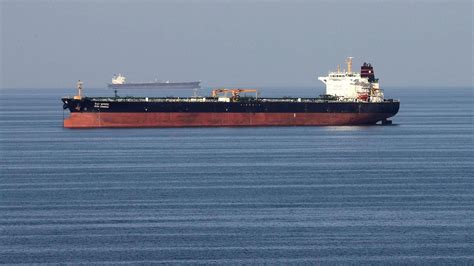
Recent reporting already indicates dramatic operational changes. Maritime traffic through the strait has reportedly fallen by as much as 97 percent since the conflict escalated in late February. Shipping insurers have raised war-risk premiums by up to 300 percent, forcing some companies to halt voyages entirely.
Energy markets have reacted quickly. Brent crude prices have shown sharp volatility as traders assess the risk of prolonged disruption. Major producers such as Saudi Aramco have warned that continued instability in the corridor could trigger severe consequences for global energy supply.
A Preemptive Strike to Prevent Strategic Disruption
The U.S. operation that eliminated the Iranian minelayers was essentially a counter-mobility strike, aimed at preventing the early stages of a maritime blockade. By destroying delivery platforms before mines could be widely deployed, U.S. forces attempted to interrupt the opening phase of a strategy designed to immobilize commercial shipping.
Such operations buy time for mine countermeasure units, including specialized ships, helicopters, and underwater drones capable of detecting and neutralizing naval mines already placed in the water.
However, the threat has not vanished. Iran still maintains coastal missile batteries, unmanned aerial systems, and irregular naval units capable of continuing harassment operations in the Gulf. The geography of the region—narrow waters bordered by mountainous coastline and island chains—makes complete security extremely difficult to achieve.
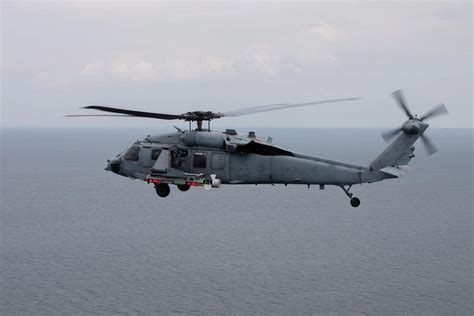
Even a small number of undetected mines can maintain a climate of uncertainty that discourages shipping companies from operating in the region.
The Strait of Hormuz as the Artery of Global Trade
The events surrounding the destruction of Iranian mine-laying vessels highlight a fundamental reality of global commerce: modern economies depend heavily on a few narrow maritime chokepoints. Among them, the Strait of Hormuz stands as one of the most critical.
Closing the corridor does not require a permanent blockade. A handful of mines, scattered carefully in high-traffic areas, can trigger insurance withdrawals, rerouted shipping, and severe supply disruptions. The psychological and financial effects often exceed the direct physical damage.
By targeting Iranian minelayers before a large-scale mining campaign could unfold, the United States attempted to prevent a regional conflict from cascading into a worldwide energy and trade crisis. The strike removed expendable platforms that enable low-cost disruption and signaled that attempts to weaponize the strait would face immediate response.
Yet the episode also serves as a reminder that the Strait of Hormuz remains one of the most strategically fragile waterways on Earth. As long as geopolitical tensions persist and asymmetric maritime strategies remain viable, the corridor will continue to sit at the center of global security calculations.