The Strait of Hormuz has once again become the focal point of global strategic anxiety as Iran’s Islamic Revolutionary Guard Corps (IRGC) initiated live-fire naval drills in the narrow waterway while a U.S. Navy aircraft carrier strike group moves into the wider Middle East theatre. The timing is deliberate, the messaging unmistakable, and the implications far-reaching for maritime security, energy markets, and military stability in one of the world’s most volatile regions.
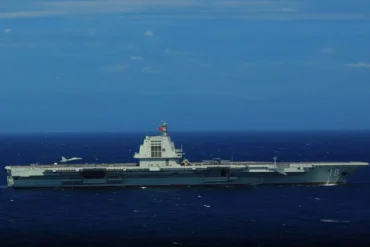
Iranian state media confirmed that the IRGC Navy would conduct two days of live-ammunition exercises, issuing navigational warnings to commercial vessels transiting the strait. The drills coincide with an expanded U.S. military presence, highlighted by the arrival of the aircraft carrier USS Abraham Lincoln, turning a routine exercise announcement into a strategic signal with global resonance.
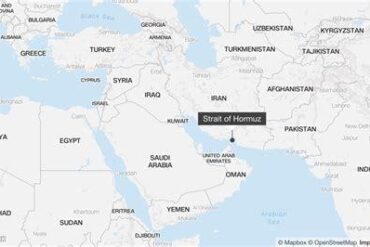
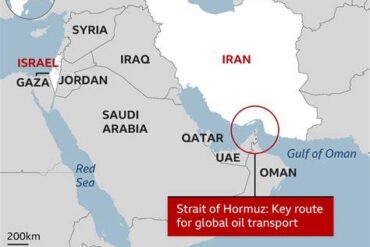
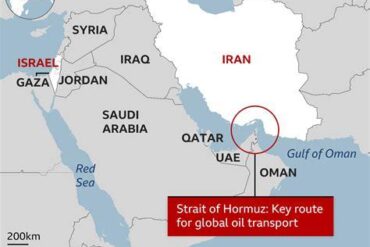
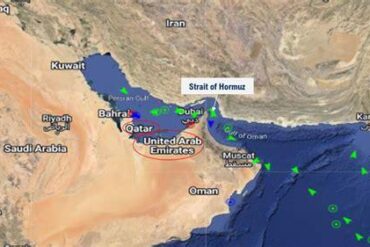
The Strait of Hormuz is not merely a regional waterway. It is a strategic artery of the global economy, carrying roughly one-fifth of the world’s seaborne oil trade. Any military activity within its confines instantly reverberates through shipping markets, insurance rates, and energy prices. Tehran understands this geometry well and has long treated the strait as a lever of deterrence rather than a battlefield in the conventional sense.
Iran’s announcement of consecutive live-fire days introduces calculated uncertainty. Shipping companies must reassess transit schedules, insurers must reprice risk, and naval forces must operate under tighter engagement timelines. This is pressure without escalation, influence without open conflict, and it reflects Iran’s preference for controlled instability over outright confrontation.
A Chokepoint Designed for Leverage, Not War
Geographically, the Strait of Hormuz narrows to approximately 21 nautical miles at its tightest point, with shipping lanes even more constrained. This compression magnifies every manoeuvre, radio call, and radar contact. In such an environment, miscalculation becomes as dangerous as intent, particularly when multiple military forces operate simultaneously.
Iran’s leadership consistently frames activity in the strait as defensive, yet the structure of these drills suggests a broader signaling function. Live-fire exercises in a congested maritime corridor demonstrate readiness while implicitly reminding external powers that escalation would carry immediate economic consequences. This is a form of strategic theatre, staged not for regional audiences alone but for energy markets, policymakers, and naval planners worldwide.
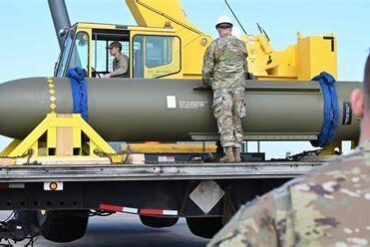
The drills also follow closely behind U.S.-announced regional exercises, reinforcing the perception of a developing action-reaction cycle. According to U.S. Air Forces Central under CENTCOM, American drills are designed to showcase the ability to “deploy, disperse, and sustain combat airpower” across the region. The language emphasizes endurance and flexibility, not quick retaliation, signaling preparedness for a prolonged contingency rather than a short crisis.
Asymmetric Power at Sea: Inside the IRGC Naval Doctrine
The IRGC Navy is structurally distinct from traditional blue-water forces. It is optimized for asymmetric maritime warfare, leveraging numbers, speed, and geography rather than tonnage or global reach. With more than 20,000 personnel, including roughly 5,000 marines, the force is built to operate in cluttered littoral environments where conventional advantages are diluted.
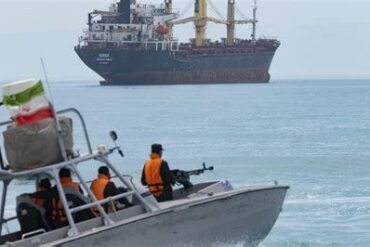
At the heart of this doctrine is a large inventory of light, fast attack craft, many with displacements below ten tonnes. These include Boghammar-class patrol boats and Bavar-class wing-in-ground effect craft, platforms designed for rapid acceleration, surprise approaches, and dense contact generation. In swarm formations, such vessels complicate targeting, strain command-and-control systems, and force adversaries to commit disproportionate defensive resources.
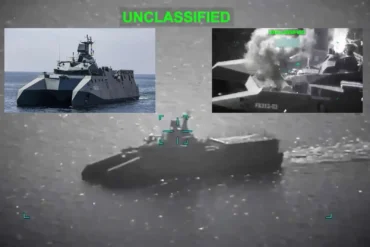
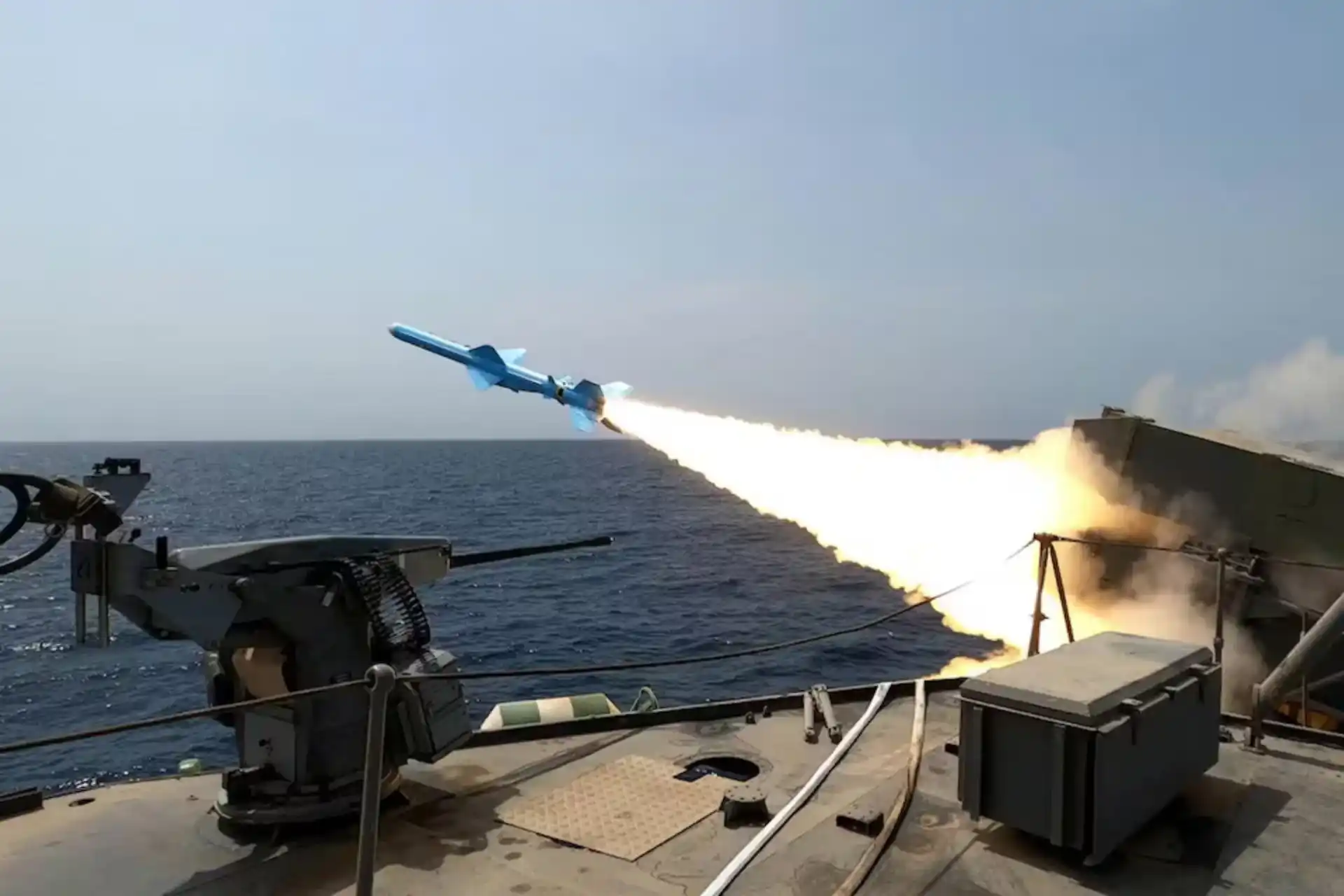
Iran fields over 130 patrol and coastal combatants under IRGC control. Among the most prominent are Shahid Soleimani-class missile patrol craft, equipped with Ghader and C-704 Nasr anti-ship missiles and fitted with vertical launch system cells, suggesting limited air-defense capability. These vessels bridge the gap between small-boat swarms and larger missile platforms, providing flexible escalation options.
Fast attack craft such as the Thondor (Houdong) class, armed with C-802A Ghader anti-ship missiles and AK-230 close-in weapon systems, further extend Iran’s ability to threaten surface combatants at standoff ranges. In a live-fire exercise context, these platforms allow Tehran to demonstrate layered maritime strike potential without crossing the threshold into overt hostility.
Coastal Missiles, Mines, and the Multi-Axis Threat
Beyond surface vessels, Iran’s maritime posture is anchored by an extensive network of coastal defense missile batteries. Systems such as the C-701 Kosar, C-704 Nasr, C-802 Noor, C-802A Ghader, and even legacy HY-2 Seersucker missiles provide overlapping coverage across much of the strait. When paired with coastal sensors and mobile launchers, these missiles form a distributed threat that is difficult to suppress quickly.
Conducting live-fire drills in this environment serves a dual purpose. It validates operational readiness while reinforcing the perception that Iran can activate a multi-axis engagement envelope on short notice. The message is not that the strait will be closed, but that it could be contested long enough to impose real costs.
Equally significant is Iran’s continued emphasis on naval mine warfare. While Iran’s mine countermeasure capabilities remain limited, its inventory of naval mines represents a low-cost, high-impact disruption tool. Even unconfirmed reports of mining activity can trigger extensive clearance operations, effectively slowing or halting commercial traffic without a single missile launch.
U.S. Naval Power and the Logic of Deterrence
On the opposing side of the equation, the United States is reinforcing a posture built around carrier-based airpower and joint-force integration. The USS Abraham Lincoln carrier strike group brings sustained strike capacity, air superiority, and command-and-control depth. A typical carrier air wing offers dozens of strike fighters capable of precision operations across the region, supported by electronic warfare and airborne early warning assets.
The deployment is complemented by land-based aviation, including F-15E Strike Eagle squadrons, aircraft optimized for long-range strike and deep interdiction. Guided-missile destroyers such as USS Delbert D. Black add layered missile defense, maritime control, and cruise missile strike capability, reinforcing the overall deterrence architecture.
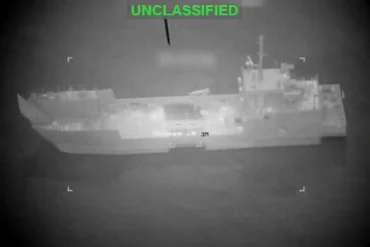
CENTCOM has issued explicit warnings against what it describes as unsafe Iranian manoeuvres, including low-altitude overflights and close approaches by fast boats. In the confined space of the strait, such interactions compress decision-making timelines, increasing the risk that an incident escalates faster than political leaders intend.
A Narrow Margin for Error
Iran’s live-fire drills in the Strait of Hormuz do not exist in isolation. They are part of a broader pattern in which military signaling replaces diplomacy as the primary language of deterrence. The reinforcement of U.S. assets raises the credibility of coercive options, while Iran’s actions underscore its ability to impose economic disruption without firing the first strategic shot.
The danger lies not in deliberate war planning, but in accidental escalation. Dense traffic, heightened alert levels, and simultaneous exercises create conditions where misinterpretation can cascade rapidly. In such an environment, restraint becomes as strategic as strength.
As both sides demonstrate capability and resolve, the Strait of Hormuz once again serves its familiar role: a narrow stretch of water where global economics, regional politics, and military power intersect, and where even limited actions can carry consequences far beyond the horizon.