The report that Iran has moved to close the Strait of Hormuz lands like a thunderclap across the global energy system. According to claims circulating in regional media, the Islamic Revolutionary Guard Corps (IRGC) has declared the strategic waterway off-limits to vessels following massive US and Israeli strikes inside Iran. If true, the implications would be immediate, profound, and dangerously unpredictable. The Strait of Hormuz is not simply a regional maritime passage. It is the pulsing artery of the modern industrial world.
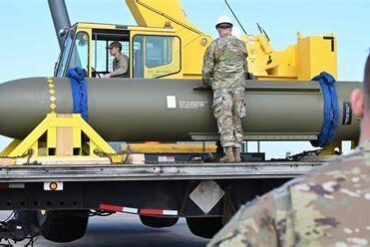
The escalation began after reports that Iranian state television confirmed the death of Ali Khamenei following coordinated US-Israeli airstrikes. Former US President Donald Trump publicly celebrated the strikes while promising sustained bombing. In response, Iranian authorities claimed senior security figures, including General Mohammad Pakpour and Ali Shamkhani, were killed. Retaliatory missile and drone attacks reportedly followed, targeting Israeli assets and US bases across the Gulf, including facilities linked to the United States Fifth Fleet in Bahrain.
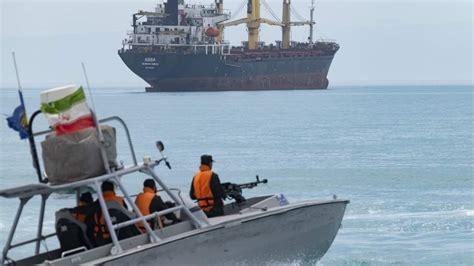
Amid this volatile military exchange, the IRGC Navy allegedly broadcast a VHF message declaring that no vessel is permitted to transit the Strait of Hormuz. Even the suggestion of closure sends tremors through oil markets. Unlike many geopolitical flashpoints that simmer quietly, Hormuz is a live wire. It channels roughly one-fifth of the world’s petroleum consumption every single day. Disrupt it, and the world economy stutters.
The Geography That Gives Iran Leverage
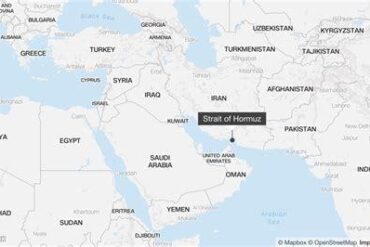
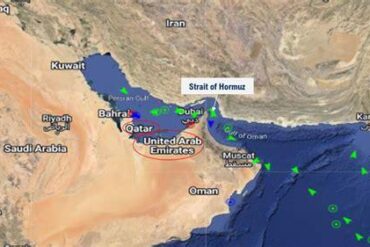
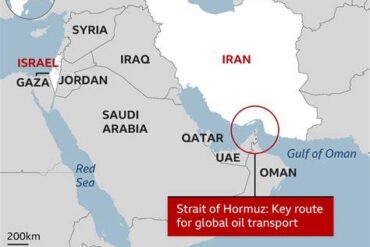
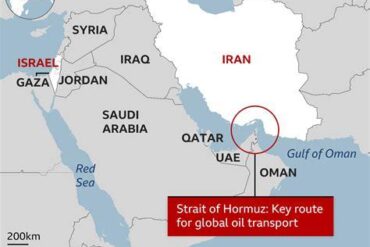
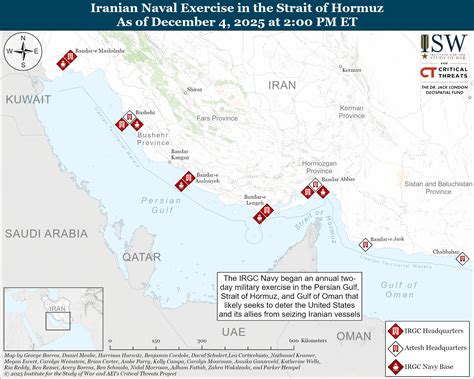
The Strait of Hormuz is deceptively narrow. At its tightest point, it measures roughly 33 kilometers across, yet the navigable shipping lane is closer to 10 kilometers wide. Within that, traffic is funneled into narrow corridors only a few kilometers each for inbound and outbound flows. To the north lies Iran’s rugged coastline, elevated terrain that provides commanding radar and missile vantage points. To the south sits Oman’s Musandam Peninsula, thrusting into the channel and further constricting maneuverability.
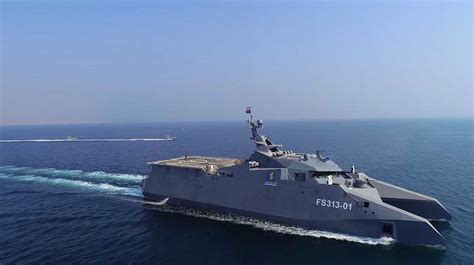
This geography rewards asymmetry. A dominant naval superpower does not automatically hold advantage in confined, shallow chokepoints. Large warships and aircraft carriers, engineered for blue-water dominance, face limitations in such waters. Fast attack boats, coastal missile batteries, sea mines, and submarines suddenly become powerful equalizers. In military strategy, chokepoints transform scale into vulnerability.
Why the Strait of Hormuz Is the World’s Ultimate Energy Chokepoint
The numbers are staggering. Roughly 21 million barrels of crude oil and condensate transit this corridor daily. That equates to about 20 percent of global oil consumption. Additionally, nearly 25 percent of the world’s liquefied natural gas (LNG) trade passes through the same stretch of water.
This is not abstract energy accounting. Every fifth barrel of fuel burned in a truck, aircraft, farm tractor, or container ship has likely slipped through Hormuz. Remove that flow, and price mechanisms react violently. Oil markets do not wait for confirmation. They anticipate risk and price in fear.
The Gulf’s energy exporters—Saudi Arabia, Iraq, Kuwait, Qatar, and the UAE—depend on this artery. While Saudi Arabia maintains the East–West pipeline to the Red Sea and the UAE operates a pipeline to Fujairah bypassing Hormuz, these alternatives cannot replicate total export capacity. Iraq and Qatar remain deeply exposed. Qatar’s LNG dominance, in particular, hinges almost entirely on uninterrupted maritime passage.
The Nations Most Vulnerable to an Iranian Blockade
The first casualties of any closure would not be warships. They would be import-dependent economies.
India: Inflation at the Speed of Oil
India imports between 80 and 90 percent of its crude oil and over half its natural gas requirements, much of it from the Middle East. A $10 increase per barrel can meaningfully widen its trade deficit. A $30 spike would ripple through transport costs, agricultural logistics, aviation fuel, and food prices. Inflation sensitivity in India is acute because fuel permeates every layer of economic life.
Diesel powers irrigation pumps and harvesters. It fuels trucks that carry produce from rural farms to urban markets. When diesel prices rise, food prices follow. Inflation is not theoretical; it is visible at the dinner table. Currency depreciation often trails sustained oil shocks, further amplifying import costs. Strategic reserves provide only weeks of insulation, not months.
China: Scale Meets Exposure
China consumes more crude oil than any other nation. Approximately half of its oil imports transit Hormuz. Beijing maintains strategic petroleum reserves, yet they are designed to cushion shocks, not sustain prolonged blockades. The scale of Chinese industry means that even partial supply interruptions strain manufacturing, exports, and domestic stability.
Japan and South Korea: Industrial Giants Without Domestic Fuel
Japan and South Korea possess virtually no domestic hydrocarbon production. Their economies run on imported energy. Both maintain around 120 days of reserves under emergency frameworks, but extended instability would test those buffers. Energy-intensive sectors—from petrochemicals to semiconductors—would feel the squeeze quickly.
The Military Reality: Why Securing Hormuz Is Harder Than It Sounds
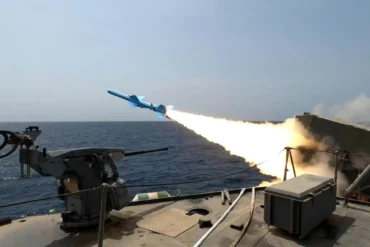
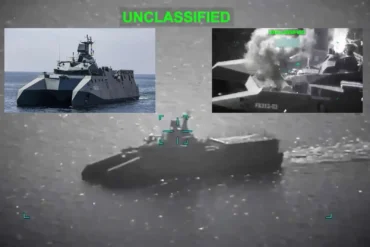
Iran’s asymmetric capabilities complicate intervention. The IRGC Navy has invested heavily in fast attack craft, anti-ship cruise missiles, naval mines, and increasingly sophisticated submarine platforms. Intelligence assessments have long suggested development of submarine-launched anti-ship missiles capable of targeting very large crude carriers.
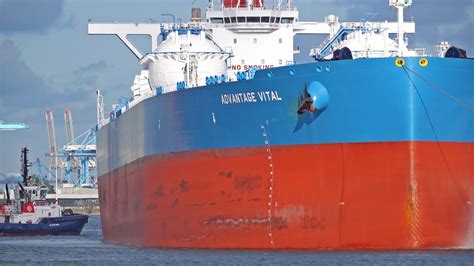
A Very Large Crude Carrier (VLCC) stretches over 300 meters and can transport up to 2 million barrels of oil. In confined waters like Hormuz, these ships move slowly and predictably. Disabling even one within the narrow channel could obstruct traffic in both directions. The environmental consequences of a spill would compound the logistical nightmare.
Salvage operations in such a volatile environment would be painstakingly slow. Insurance markets would react instantly. Shipping insurers, facing elevated war-risk premiums, might withdraw coverage entirely. Without insurance, commercial shipping halts—not because of official decree, but because risk becomes commercially untenable. A blockade does not require a naval armada; it requires enough uncertainty to paralyze insurers.
Oil Markets: The Psychology of Panic
Oil pricing is not purely supply-driven. It is expectation-driven. Traders price in perceived scarcity long before physical barrels disappear. In a genuine closure scenario, a 30 to 50 percent price spike would not be implausible. Strategic reserve releases by major economies could soften the blow temporarily, yet coordinated releases require political consensus that often lags market reaction.
Stock markets would likely respond with sharp corrections, especially in heavily import-dependent nations. Airlines, shipping companies, chemical manufacturers, and agricultural distributors would see margins squeezed. Energy-exporting nations outside the Gulf might benefit from windfall profits, but global volatility rarely spares anyone for long.
Could Pipelines Replace the Strait?
The simple answer is no—not fully, not quickly.
Saudi Arabia’s East–West pipeline to the Red Sea and the UAE’s Fujairah pipeline mitigate risk, but total Gulf export capacity exceeds alternative pipeline throughput. Infrastructure cannot be expanded overnight. Building additional bypass routes requires years of capital investment, political coordination, and engineering.
Energy diversification strategies—renewables, nuclear expansion, strategic reserves, diversified import partners—are long-term solutions. They do not extinguish immediate exposure. Hormuz remains a structural vulnerability embedded in global trade architecture.
The Broader Strategic Picture
If Iran truly attempts to enforce closure, international naval coalitions would almost certainly mobilize. However, clearing mines, escorting tankers, and deterring missile threats in a confined chokepoint is operationally complex. Any miscalculation risks escalation beyond maritime skirmishes.
A prolonged disruption would accelerate global shifts already underway: faster renewable deployment, expanded LNG terminals outside the Gulf, intensified Arctic shipping exploration, and deeper energy partnerships between Asia and Russia. Crises compress timelines. What policymakers once considered decade-long transitions can become five-year imperatives under pressure.
The Economic Domino Effect
Energy is not merely fuel for vehicles. It underpins fertilizer production, electricity generation, plastics manufacturing, pharmaceuticals, and aviation logistics. A sustained oil shock ripples through food systems, consumer goods pricing, airline ticket costs, and public budgets. Governments facing inflationary spikes confront hard choices: subsidize fuel and widen deficits, or allow prices to rise and risk public unrest.
Emerging economies are particularly exposed because foreign exchange reserves can erode rapidly under high import bills. Currency weakness then amplifies energy costs further—a feedback loop economists recognize all too well.
A Fragile Artery in a Volatile Era
The Strait of Hormuz has always been more than a line on a maritime chart. It is a geopolitical fulcrum. Iran’s strategic leverage derives less from fleet size and more from geography. The hills overlooking the strait, the narrow lanes, the shallow depths—all tilt the balance toward disruption potential.
Whether the reported closure represents symbolic signaling or a sustained operational blockade remains uncertain. Yet the mere plausibility underscores a structural truth: the global economy rests on surprisingly narrow passages.
Energy transitions may eventually dilute Hormuz’s dominance. Until then, it remains the most critical maritime chokepoint on Earth. In a world wired together by tankers and pipelines, even a few kilometers of contested water can shape inflation rates, election outcomes, and the stability of entire regions.