The aviation industry is confronting one of its most volatile moments in decades, as the escalating Iran conflict sends shockwaves through global fuel supply chains. Airlines, already operating on razor-thin margins, now face a brutal reality: soaring fuel prices, tightening supply, and the urgent need to cut capacity. What began as a geopolitical flashpoint has rapidly evolved into a full-scale operational crisis for carriers worldwide.
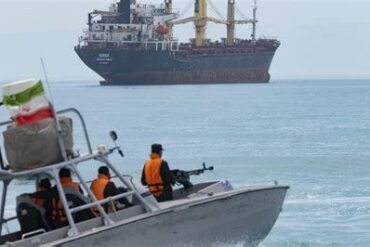
The disruption stems from a critical choke point in global energy logistics—the Strait of Hormuz. With crude oil shipments severely restricted, prices have surged past $100 per barrel, triggering a cascading effect across industries. For aviation, where fuel represents one of the largest cost components, the consequences are immediate and severe. Jet fuel prices alone have spiked dramatically in just weeks, leaving airlines scrambling to adapt in real time.
As fuel availability tightens, airlines are no longer simply managing higher costs—they are confronting the possibility of not having enough fuel to sustain their networks. This distinction marks a critical turning point, transforming a pricing issue into a supply crisis with global implications.
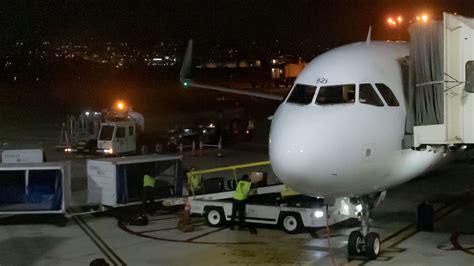
Airlines Slash Thousands of Flights Amid Fuel Scarcity
Across continents, airlines are making swift and often painful decisions to reduce flight schedules. These cuts are not isolated adjustments but widespread strategic moves aimed at preserving operational stability. Carriers are grounding aircraft, canceling routes, and prioritizing only the most profitable or essential flights.
The logic is brutally simple: flying empty or low-demand routes during a fuel crisis is financially unsustainable. Airlines are therefore “pruning” their networks, eliminating off-peak services and consolidating frequencies on key routes. This approach allows them to stretch limited fuel supplies while minimizing financial losses.
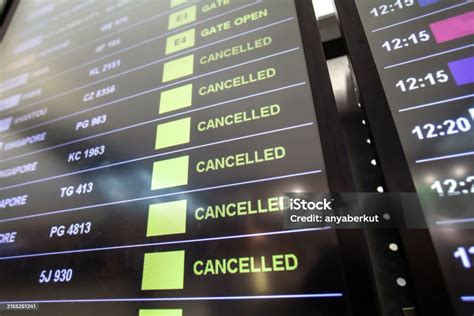
In many cases, these cancellations are happening with little notice, creating ripple effects across global travel. Passengers are facing disrupted plans, fewer choices, and rising fares as capacity shrinks. What was once a highly competitive market is rapidly tightening, with supply unable to meet consistent demand.
Fuel Costs Force Emergency Financial Strategies
The surge in jet fuel prices is not something airlines can absorb indefinitely. Even during profitable years, margins remain thin, and the current spike threatens to erase gains entirely. Some carriers estimate that fuel-related expenses alone could double their annual operating costs, pushing them into uncharted financial territory.
To cope, airlines are deploying a range of emergency strategies. Temporary fuel surcharges are being added across routes, passing part of the burden onto passengers. While necessary, these measures risk dampening demand, especially in price-sensitive markets.
Simultaneously, airlines are reevaluating fleet utilization. Older, less fuel-efficient aircraft are being retired or grounded first, while newer models are prioritized for remaining operations. This shift reflects a broader industry trend toward efficiency, now accelerated by crisis conditions.
Global Supply Chain Breakdown Intensifies the Crisis
The aviation fuel shortage is not occurring in isolation—it is part of a broader supply chain breakdown triggered by the conflict. Countries that rely heavily on imported fuel are particularly vulnerable, as access becomes increasingly constrained.
Refineries are struggling to keep up with demand, while logistical bottlenecks further complicate distribution. The result is a fragmented supply landscape where availability varies significantly by region. Some airports are already experiencing localized shortages, forcing airlines to adjust routes or carry additional fuel reserves, which further increases costs.
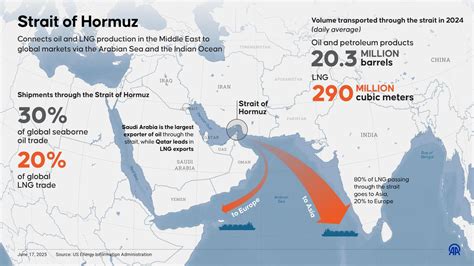
This uneven distribution creates strategic dilemmas for airlines. Decisions about where to operate are no longer based solely on demand or profitability but also on fuel accessibility. In extreme cases, routes may be suspended simply because reliable refueling cannot be guaranteed.
Major Carriers Prepare for Prolonged Disruption
Airlines are not treating this as a short-term disturbance. With the conflict showing no immediate signs of resolution, carriers are preparing for a prolonged period of instability. Crisis response plans are being activated, with scenarios ranging from continued capacity reductions to large-scale fleet groundings.
Some airlines are considering grounding dozens of aircraft to conserve fuel and reduce exposure to volatile costs. Others are planning extensive schedule revisions that could last through multiple travel seasons. These decisions reflect a shift from reactive measures to strategic adaptation.
The uncertainty extends to workforce planning as well. Reduced flight operations may lead to staffing adjustments, redeployments, or temporary furloughs. The human impact of the crisis, while less visible than flight cancellations, is equally significant.
Regional Impacts: Asia-Pacific and Europe Under Pressure
The effects of the fuel crisis are being felt unevenly across regions, with Asia-Pacific and Europe facing particularly intense pressure. Airlines in these regions often operate long-haul routes that consume significant fuel, making them especially vulnerable to price spikes and supply disruptions.
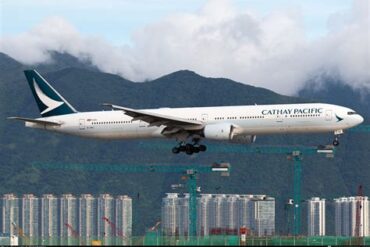
In Asia, several carriers have already announced substantial capacity cuts, including the suspension of domestic and regional routes. These decisions are reshaping travel patterns, reducing connectivity, and placing additional strain on remaining services.
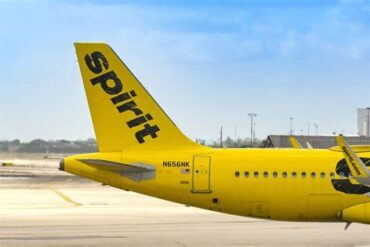
European airlines, meanwhile, are grappling with both fuel shortages and regulatory pressures. Low-cost carriers, which rely on high aircraft utilization and tight cost structures, are particularly exposed. Even minor increases in fuel costs can disrupt their business models, forcing difficult choices about route viability.
Passengers Face Higher Fares and Limited Options
For travelers, the immediate impact is clear: fewer flights and higher prices. As airlines cut capacity and introduce fuel surcharges, the cost of air travel is rising across the board. Popular routes are becoming more expensive, while less profitable routes are disappearing altogether.
Flexibility is becoming a critical advantage for passengers. Those willing to adjust travel dates or routes may still find options, but convenience is increasingly compromised. Direct flights are being replaced with connections, and schedules are becoming less predictable.
This shift is also influencing travel behavior. Some passengers are postponing trips or seeking alternative modes of transportation where possible. The broader economic implications could extend beyond aviation, affecting tourism, business travel, and global mobility.
A Defining Moment for the Aviation Industry
The Iran war fallout is shaping up to be a defining moment for global aviation. It exposes the industry’s vulnerability to external shocks, particularly those tied to energy supply. At the same time, it highlights the resilience and adaptability of airlines forced to navigate unprecedented challenges.
The decisions being made today—cutting flights, restructuring networks, and rethinking fuel strategies—will have lasting implications. Airlines that manage to adapt effectively may emerge stronger, with leaner operations and more efficient fleets. Those that fail to adjust risk being left behind in an increasingly unforgiving landscape.
As the crisis unfolds, one reality remains unavoidable: the era of cheap, abundant aviation fuel can no longer be taken for granted. The industry is entering a new phase, defined by uncertainty, complexity, and the urgent need for transformation.