Canada is facing a deepening travel crisis marked by surging domestic airfare, a collapse of budget carriers, and a wave of political fallout from deteriorating relations with the United States. According to a new report by the Competition Bureau of Canada, the country’s aviation sector is teetering under the pressure of reduced choice and inflated costs, triggering a growing demand to open the domestic market to foreign-owned airlines. For millions of Canadians seeking affordable and accessible travel, the status quo is no longer sustainable.
Soaring Domestic Fares Make Local Travel Prohibitive
Flying within Canada has never been more expensive. A one-way economy ticket from Toronto to Vancouver can now cost just as much—or more—than a flight to Europe or Mexico, creating a paradox for travelers hoping to explore their own country. The average domestic airfare in Canada has jumped by over 20% year-over-year, with peak summer travel seeing even steeper hikes.

These prices are not just frustrating—they’re prohibitive. They reflect a market stripped of competition and reliant on only two dominant players: Air Canada and WestJet. With limited alternatives, Canadians are caught in an economic squeeze that is shifting vacation habits, strangling tourism dollars, and damaging regional connectivity.
Market Consolidation Drives Up Prices and Shrinks Access
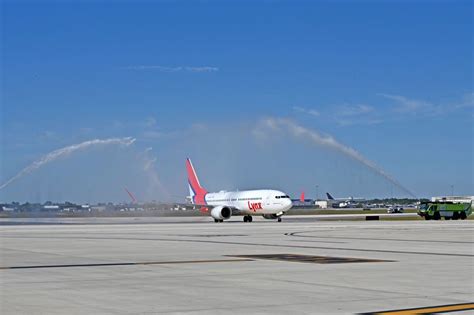
The collapse of Lynx Air in early 2024 was the first domino in a cascade of airline exits that have severely diminished competition. The ultra-low-cost carrier cited “unsustainable conditions” and a hostile cost environment when it ceased all operations. Just months later, WestJet absorbed Swoop and Sunwing, two other budget airlines that had offered more affordable routes across Canada.
This consolidation has drastically narrowed consumer choice, effectively cementing a duopoly that has little incentive to lower fares or expand access to underserved regions. The once-promising dream of a vibrant, multi-carrier domestic market has all but vanished.
US Fallout Further Compounds the Crisis
At the same time, Canada–U.S. political tensions are cutting into international travel. Fuelled by increasingly hostile rhetoric from President Trump, Canadians are backing away from U.S. vacations. A 21% drop in outbound bookings to American cities reflects not just diplomatic chill but a quiet boycott driven by cultural and economic friction.
Border towns in states like Vermont and South Carolina are already seeing economic reverberations, as Canadian spending dries up. But while many Canadians would prefer to travel within their borders, they’re met with a domestic market that punishes that choice with sky-high prices.
A Bold Call: Open Canada’s Skies to Foreign Competition
This week, the Competition Bureau of Canada issued a damning report outlining the state of the national airline industry. The central takeaway? Canada’s market is too concentrated, too rigid, and too hostile to new entrants. The report recommends sweeping changes, the boldest of which would allow 100% foreign-owned airlines to operate on domestic routes.
Such a move would follow the model used in Australia, where liberalizing the market led to improved service, reduced fares, and enhanced competition. In Canada, foreign airlines would still be required to follow domestic regulations and employ Canadian crews—but they’d inject much-needed pressure on the country’s airline giants to compete on price and quality.
Critics Warn of Risks to Regional Routes and Canadian Jobs
Not everyone is on board. Labor unions and regional leaders warn that allowing foreign competition could lead to “route cherry-picking”, where profitable city pairs like Toronto–Vancouver are prioritized at the expense of small-town and rural connections. Communities in northern Alberta or the Northwest Territories, already underserved, may suffer further as carriers opt for routes with better margins.
Meanwhile, concerns about job losses in Canada’s aviation sector have taken center stage. While the proposal includes stipulations for Canadian hiring, industry insiders worry that foreign-owned carriers might sidestep the spirit of domestic economic support in favor of operational efficiency.
Supporting Measures Proposed for a Healthier Market
The Bureau’s report doesn’t stop at foreign competition. It outlines several other reforms aimed at fostering a more balanced and responsive airline ecosystem:
- Loosening regulatory restrictions that prevent smaller regional airports from hosting international flights
- Curbing political interference by limiting the transport minister’s power to override antitrust rulings in airline mergers
- Publishing airline performance data to empower travelers with clear, unbiased metrics on delays, cancellations, and service quality
These recommendations collectively aim to break down structural barriers that prevent new competitors from entering the market—and to protect travelers from the unchecked power of existing players.
Travelers Seek Alternatives: VIA Rail and Parks Step In
With fewer affordable options in the air, Canadians are looking to ground-based alternatives. VIA Rail, the national rail service, has seen a measurable increase in bookings, particularly along popular corridors like Toronto–Montreal and Ottawa–Quebec City. Simultaneously, Parks Canada launched the Canada Strong Pass, bundling value for domestic tourists through:
- Free access to national parks and heritage sites
- 25% off camping reservations
- Discounted VIA Rail fares on selected routes

This strategic shift serves two purposes: it alleviates pressure on the aviation system and channels domestic spending into sustainable tourism initiatives. It’s also a reminder that Canadians are still eager to explore — but increasingly doing so on foot or rail rather than by air.
Canadian Airline Route Retrenchments Deepen the Gap
2025 has seen an unprecedented number of route cancellations and frequency reductions. Lynx Air shut down all operations in February. Northwestern Air ended regional flights in northern Alberta and the Northwest Territories. Even major carriers like Air Canada and WestJet have trimmed their U.S. and domestic portfolios:
- Air Canada axed routes including Montreal–Detroit, Toronto–Indianapolis, and Vancouver–Tampa.
- WestJet pulled flights from Calgary to New York and Winnipeg to Los Angeles, among others.
- Flair Airlines scaled back its U.S. route map, dropping flights to Palm Springs, Fort Lauderdale, and Phoenix.
These reductions disproportionately impact regional communities, where air travel is not a luxury but a lifeline. With limited rail options and vast distances, the lack of affordable air service leaves many Canadians isolated from national commerce and tourism.
No Clear Path Forward: Ottawa Yet to Act
Despite the urgency of the report, the federal government has not announced any definitive steps. The Competition Bureau’s recommendations are non-binding, meaning Ottawa could choose to shelve the reforms, amend them, or act decisively.
Until a formal response emerges, travelers remain in limbo. Canada’s aviation sector is overburdened, under-competitive, and increasingly disconnected from the needs of everyday citizens. The choice is stark: either embrace foreign competition and level the playing field—or continue down a path of shrinking access, skyrocketing fares, and public frustration.
The Clock Is Ticking on Reform
The 2025 travel season will serve as a barometer for public sentiment and political will. As more Canadians cancel vacations, turn to rail, or simply stay home, pressure will mount on lawmakers to act. The promise of open skies is no longer just a policy debate—it’s a growing necessity in a market that’s failing its people.
What’s clear is that Canada’s airline sector needs structural change. The question is whether leaders will summon the courage to deliver it before the crisis becomes irreversible.