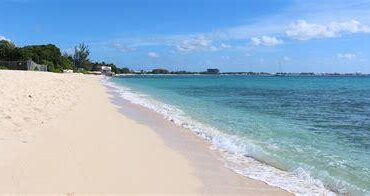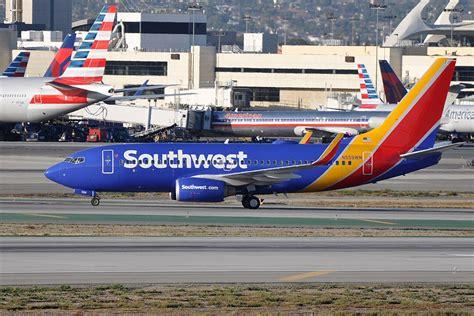
Southwest Airlines is making waves this winter with its announcement to join household names like American, Delta, United, JetBlue and Spirit in offering nonstop flights from the continental United States to the U.S. Virgin Islands. For travelers craving a hassle‑free Caribbean escape, this move promises not only greater convenience but also the chance to benefit from Southwest’s renowned value proposition—no change fees, two free checked bags and a transparent fares structure. As temperatures drop across the mainland, sun‑seekers will find turquoise waters, vibrant culture and powder‑soft sands are closer than ever, all while retaining the comfort of domestic travel.
In a strategic push timed for Winter 2025–26, Southwest’s arrival ignites competition on key routes to St. Thomas, St. John and St. Croix. With fares historically under intense pressure whenever a new low‑cost carrier enters a market, established airlines are already preparing promotional packages and schedule tweaks. Travelers can anticipate a flurry of seat sales, flexible change policies and bundled offerings designed to capture both leisure families and budget‑savvy professionals. The result? A market brimming with options—from early‑morning departures to weekend getaways—ensuring that planning a Caribbean retreat has never been more straightforward or cost‑effective.
Beyond the immediate consumer benefits, Southwest’s network expansion reflects a broader industry trend toward leisure‑destination growth. After two years of pandemic‑induced pauses and pared‑back schedules, airlines have refocused on revitalizing sun‑and‑sand routes that deliver high load factors and ancillary revenue through seat upgrades and checked‑bag fees. By slotting St. Thomas into its Atlantic Basin portfolio—alongside Aruba, the Bahamas and Jamaica—Southwest underscores its commitment to capturing a larger share of the U.S. Caribbean market and stimulating investment in local tourism infrastructure.
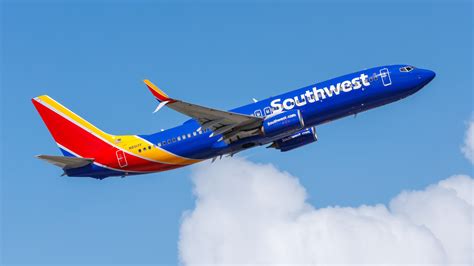
A Long‑Awaited Caribbean Comeback
St. Thomas has long been on Southwest’s wish list, but the COVID‑19 pandemic shelved initial plans to launch service alongside other Caribbean gateways such as St. Maarten. Now, with pent‑up demand for sun‑soaked escapes at an all‑time high, Southwest is finally ready to elevate St. Thomas to its ninth Atlantic Basin destination. Flights will originate from Orlando International Airport, tapping into one of the nation’s largest leisure travel hubs, and Seattle whispers suggest weekend extensions from Baltimore/Washington and Nashville could follow, offering broader catchment areas for east‑coast and mid‑southern flyers.
The inauguration of St. Thomas routes signifies more than just new flight numbers on an airline schedule. It marks a return to aggressive network growth after years of operational caution, and it positions Southwest alongside titans like American, Delta and United in the race to dominate Caribbean traffic. For island stakeholders, the timing aligns perfectly with the start of the high season, promising an immediate uptick in hotel occupancy, restaurant revenues and shore‑excursion bookings.
Virgin Islands Tourism Braces for a Boom
St. Thomas anchors the U.S. Virgin Islands, home to the vibrant capital of Charlotte Amalie, where pastel Danish architecture meets bustling duty‑free shopping and easy beach access. As a domestic territory, the Virgin Islands eliminate passport lines, currency exchanges and customs delays, transforming an international vacation into a seamless domestic itinerary. Southwest’s entry thus leverages an under‑appreciated advantage: American travelers can board a flight without worrying about visas or foreign transaction fees, all while immersing themselves in Caribbean culture within two hours of takeoff.
Local hoteliers and tour operators are buzzing with anticipation. From intimate boutique inns tucked into colonial alleyways to sprawling all‑inclusive resorts, properties stand ready to welcome a new wave of visitors. Restaurants plan extended hours and special menus to cater to increased demand, and excursion companies are rehiring staff to guide snorkeling trips, island safaris and historic tours of 18th‑century forts. Stakeholders predict that the infusion of visitor dollars will spark secondary investments in airport upgrades, marina expansions and cultural festivals, reinforcing the islands’ appeal year after year.
Strategic Expansion Amid Market Shifts
The shift toward leisure travel over business routes has reshaped airline strategies across the industry, and Southwest’s Caribbean focus epitomizes this pivot. With two additional destinations—St. Maarten and St. Croix—rumored for 2026 launch, the carrier is positioning itself to capture repeat vacationers and first‑time explorers alike. Meanwhile, internal reviews of potential European long‑haul routes to Reykjavik and Dublin signal Southwest’s ambition to stretch beyond its domestic stronghold. If approved, these transatlantic services would represent a transformative step for an airline whose DNA has long prioritized point‑to‑point connectivity over hub‑and‑spoke models.
In this context, Southwest’s Caribbean push serves as both a proving ground for new operational procedures and a test of demand elasticity in leisure markets. By monitoring load factors, ancillary revenue per passenger and seasonal booking patterns, the airline can fine‑tune its broader expansion blueprint and decide whether a Reykjavik or Dublin service could replicate the success it anticipates in the tropics.
Domestic Routes and Premium Makeover
While Southwest ventures into the Caribbean and potentially Europe, it continues to fortify its domestic network. Market studies in Knoxville and Madison reveal strong local demand with limited competition, presenting opportunities for nonstop flights that bypass traditional hubs. Simultaneously, seasonal ski destinations such as Durango, Jackson Hole and Friedman Memorial Airport are under consideration for Denver connections, catering to winter sports enthusiasts seeking direct access without multi‑leg itineraries.
On the product side, the airline is revamping its seating model to accommodate varying passenger preferences. Starting in the third quarter of 2025, Southwest will offer assigned and premium seating options, breaking from its decades‑old open‑seating tradition. By early 2026, fare bundles will introduce tiers—including extra legroom, expedited boarding and complimentary premium snacks—aimed at attracting higher‑yield travelers. Importantly, the baseline value proposition remains intact: standard fares still include two checked bags and no change fees, ensuring Southwest retains its appeal among price‑sensitive flyers.
Market Exits and Tactical Pivots
Not all routes align with Southwest’s growth trajectory. The airline plans to exit Havana later in 2025, citing underperforming yields and regulatory complexities. Similarly, proposed service to Key West has been shelved due to runway length restrictions that hamper efficient Boeing 737 operations. Meanwhile, previously cut markets like Syracuse and Bellingham remain under review, and could be reinstated as aircraft availability and demand patterns evolve. These strategic retreats underscore the delicate balance between ambitious expansion and operational pragmatism, illustrating how carriers must continuously optimize their route portfolios in response to shifting market realities.
A Skyward Future for the Caribbean
Southwest’s entry into St. Thomas is more than a single route announcement—it is a statement of intent that the Caribbean constitutes a core pillar of future growth. As competition intensifies, travelers are set to benefit from downward pressure on fares, expanded scheduling choices and innovative bundled offerings. Airlines such as American and Delta are likely to respond with targeted promotions, while low‑cost rivals like Spirit and Frontier may further slash fares to maintain market share. In this high‑stakes environment, the true winners will be consumers who can choose among a spectrum of price points and service levels.
Deep Dive: Airlines Fueling U.S. Virgin Islands Travel
At the heart of the territory’s aviation network lies Cyril E. King International Airport (STT) on St. Thomas, serving as the primary gateway for visitors and locals alike. American Airlines operates a robust schedule from New York, Boston and Miami, leveraging its east‑coast hubs to funnel traffic into the Caribbean. Delta Air Lines maintains essential links from Atlanta and New York JFK, ensuring seamless connections for domestic and international travelers. United Airlines contributes flights from Chicago O’Hare, Washington Dulles and Newark, while JetBlue taps Boston’s lucrative leisure market. Spirit Airlines undercuts competitors with no‑frills service from Fort Lauderdale, and Frontier Airlines aggressively pursues price‑sensitive customers from Orlando, Miami and San Juan. Even Sun Country Airlines enters the mix with seasonal routes from Minneapolis‑Saint Paul, targeting the Midwest winter‑escape crowd.
Regional carriers provide crucial intra‑island and near‑neighbor connectivity. Cape Air’s fleet of small turboprops shuttles passengers between St. Thomas, St. Croix and San Juan, while Seaborne Airlines delights travelers with its water‑landing seaplanes linking the islands. Silver Airways complements these services by connecting STT to San Juan and other Caribbean hubs, and niche operators like Fly the Whale and Sea Flight VI offer charter options for bespoke itineraries. International feeders such as Sky High Aviation Dominicana and Air Sunshine enhance cross‑border cultural and tourism ties, facilitating travel between the Virgin Islands and destinations across the broader Caribbean basin.
Island Guides: Where to Stay and Play
St. Thomas blends urban sophistication with tropical allure. In Charlotte Amalie, narrow cobblestone streets wind past pastel Danish structures leading to duty‑free boutiques and waterfront cafes. Just beyond the city, Magens Bay’s mile‑long crescent and Coki Beach’s vivid coral reefs beckon sun‑seekers and snorkelers. Luxury accommodations such as The Ritz‑Carlton, St. Thomas and Buoy Haus Beach Resort offer infinity pools and private catamaran experiences, while mid‑range favorites like Bolongo Bay Beach Resort combine all‑inclusive convenience with beachfront vibrancy. For a boutique feel, Mafolie Hotel’s hilltop perch provides sweeping harbor vistas and an intimate bar scene.
St. John’s pristine landscapes are protected by the Virgin Islands National Park, covering two‑thirds of the island. Trails such as the Reef Bay Trail navigate ancient petroglyphs and tropical forest before emerging at secluded shorelines. Trunk Bay’s underwater snorkel trail showcases vibrant reef ecosystems, while Cinnamon Bay offers a quieter alternative. Cruz Bay’s art galleries, rum bars and seafood eateries round out the visitor experience. Eco‑luxury arrives in the form of Lovango Resort + Beach Club, a sustainable retreat on a private cay that combines glamping tents with waterfront villas and a commitment to conservation.
St. Croix charms with its rich heritage and diverse attractions. Christiansted’s colonial architecture and Fort Christiansvaern’s imposing walls speak to centuries of European influence. Buck Island Reef National Monument, accessible by boat, immerses snorkelers in America’s first underwater national park. The St. George Village Botanical Garden fuses botanical marvels with the ruins of a sugar plantation, offering cultural context alongside natural beauty. Accommodations range from the storied elegance of The Buccaneer Resort to the adults‑only all‑inclusive Divi Carina Bay and the tranquil condo‑style Carambola Beach Resort, each catering to different tastes and budgets.
Inter‑Island and Regional Connections
Efficient inter‑island travel is a hallmark of the Virgin Islands experience. Cape Air, Seaborne and Silver Airways maintain frequent scheduled services between St. Thomas, St. Croix and San Juan, while Fly the Whale and Sea Flight VI provide on‑demand charters for flexibility. International links via Sky High Aviation Dominicana and Air Sunshine open the door to multi‑destination Caribbean itineraries, allowing travelers to combine the U.S. Virgin Islands with the Dominican Republic, Tortola and beyond—all without routing back through the mainland.
The New Face of Travel and Economic Impact
Hotel development increasingly emphasizes sustainability and boutique experiences over sprawling mega‑resorts. As air service expands, new properties emerge with eco‑conscious design, locally sourced materials and community partnerships. Tourism revenue fuels job creation in hospitality, transportation and cultural sectors, while airport and port improvements address capacity constraints. Yet preserving the islands’ delicate ecosystems remains paramount, demanding collaboration between government, private investors and local communities to balance growth with environmental stewardship.
Traveler Benefits and Outlook
For travelers, the accelerating expansion of routes into the U.S. Virgin Islands translates into tangible benefits: a wider selection of departure cities, more frequent flight options, competitive fares and Southwest’s hallmark baggage perks. The airline’s entry is expected to trigger fare wars that benefit consumers, while ancillary revenue streams such as premium seating and fare bundles enhance choice without sacrificing affordability. Looking ahead to 2026, continued network evolution—spanning domestic gateways, inter‑island connectors and nascent international corridors—heralds a dynamic era for the Virgin Islands, ensuring that this American paradise remains within easy reach for years to come.